
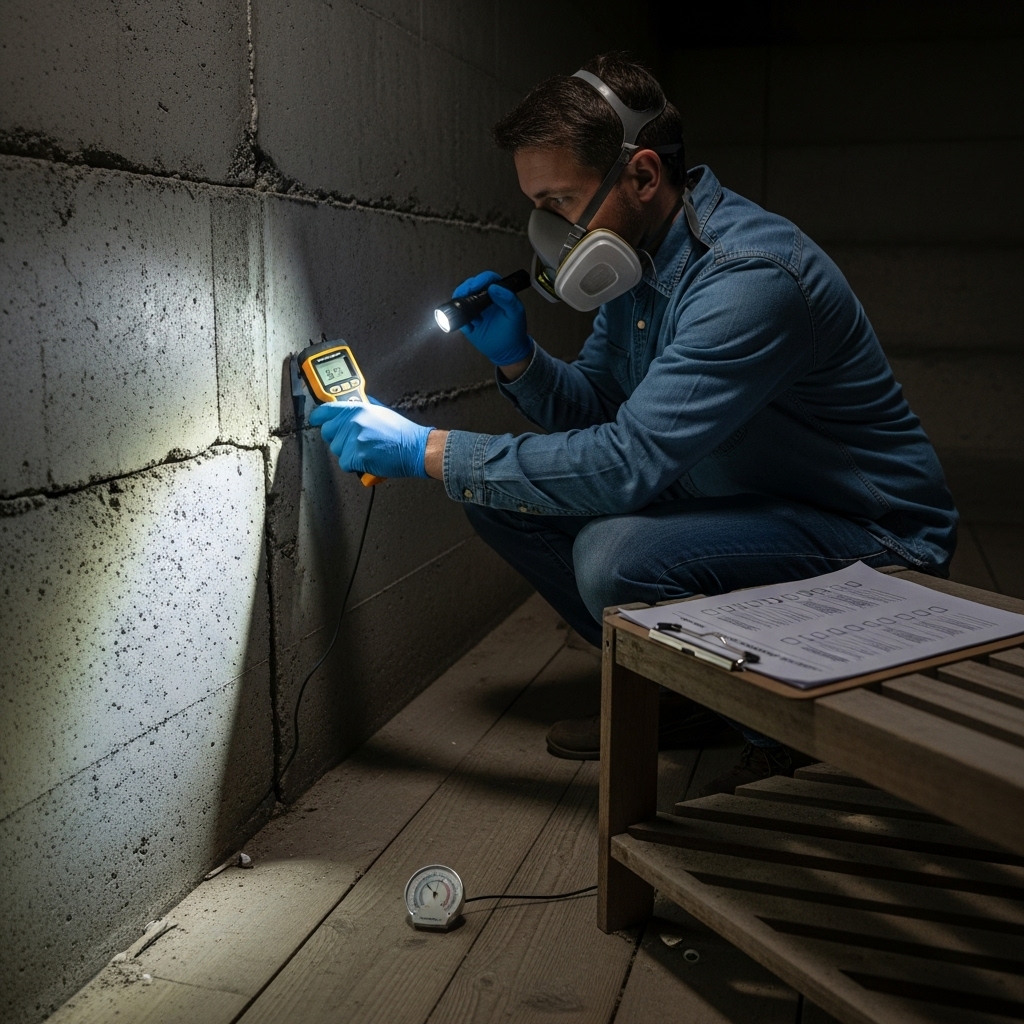
A precise mold odor inspection helps Bloomfield, New Jersey homeowners uncover hidden moisture and contamination before it becomes a bigger problem. The following checklist walks you through exterior and interior assessments, tools to use, and how to document your findings so you can act with confidence. At any point, if you prefer expert help or want to validate your results, you can review professional approaches to mold odor and compare your observations with standard best practices.
Before You Begin
1) Safety: Wear gloves and an N95 or P100 respirator if you will disturb dusty, damp, or moldy areas. 2) Ventilation: Open windows when weather permits and use a fan to exhaust air outside. 3) Tools: Flashlight, hygrometer, moisture meter, screwdrivers, camera or phone, notepad, marker, zip-top bags for small samples of damaged materials if needed.
Set a baseline first: Walk through your home and note where odor is strongest, where it changes during HVAC cycles, and whether it worsens after rain. Record relative humidity (RH) in several rooms so you can compare later.
Exterior Inspection
- Roof and flashing: Look for missing shingles, damaged flashing around chimneys and vents, and signs of water staining at soffits.
- Gutters and downspouts: Verify that gutters are clear, downspouts are attached, and water discharges several feet from the foundation.
- Siding and caulk: Check for cracks, gaps, or deteriorated caulk around windows and doors.
- Grading: Soil should slope away from the home. Low spots can allow water to pool against the foundation.
- Basement window wells: Confirm that well covers are intact and drains are clear.
Document every area with photos before and after any quick fixes like clearing a downspout. Mark problem spots on a simple sketch of your home for reference.
Basement And Crawl Space Checklist
- Odor intensity: Start at the bottom of the home because moisture often accumulates here first. Note where smells are strongest.
- Visible staining: Look for efflorescence on masonry, darkened wood, and rusted metal fasteners that suggest chronic moisture.
- Moisture readings: Test walls, sill plates, subfloor, and posts. Compare to interior living spaces to identify anomalies.
- Vapor barriers: Check crawl space plastic for rips and verify it covers the soil completely and is well sealed at seams.
- HVAC and plumbing: Inspect condensate lines, sump pump operation, and any pipe fittings for leaks.
Bathrooms And Kitchens
- Ventilation: Confirm that fans exhaust outdoors. Listen for fan noise change that may indicate blockages.
- Condensation: Inspect windows, mirrors, and tile grout for persistent dampness.
- Under-sink areas: Use a flashlight and meter to check cabinet bottoms and sink traps for dampness or staining.
- Appliance connections: Check dishwasher and refrigerator water lines, and look behind appliances for dust, spills, and drip pan issues.
Living Areas, Bedrooms, And Closets
- Carpet and padding: Press a paper towel on the carpet in suspect spots and observe for moisture. Lift corners where possible to view the pad and subfloor.
- Furniture and fabrics: Move sofas and beds to inspect walls and floors hidden behind them.
- Windows and sills: Look for peeling paint, swollen wood, or soft drywall around frames and sills.
- Closets: Check exterior wall closets for cool surfaces and musty air, especially after rain or snowmelt events.
Attic Review
- Ventilation balance: Verify that soffit intake vents are not blocked by insulation and that ridge or gable exhaust is clear.
- Roof leaks: Look for darkened sheathing, rusty nails, or damp insulation.
- Bath/kitchen fan terminations: Ensure fans do not exhaust into the attic.
HVAC System Assessment
- Filter and returns: Replace clogged filters and vacuum dusty return grilles.
- Condensate management: Confirm drain lines are unobstructed and pans are clean.
- Ducts: If odors intensify when the system runs, inspect accessible ducts for gaps or moisture.
Moisture And Humidity Targets
Optimal indoor RH is 40%–50%. In Bloomfield’s humid months, basements can exceed 60% RH quickly. Use a dehumidifier when RH rises above 55% for extended periods. “Dry” wood framing often reads under 15% moisture content with a pin-type meter, though normal values vary by location and season. Compare readings room to room to identify anomalies.
Documentation And Decision Points
- Photographs: Take wide shots for context and close-ups of damage.
- Notes: Record RH, moisture readings, and odor intensity on a 1–10 scale for each room.
- Map: Mark problem areas on a floor plan or simple sketch.
- Actions: Log fixes performed, dates, and results after 24–72 hours.
If the odor persists after you repair obvious issues and dry the home, escalate to deeper diagnostics. Mid-inspection, many homeowners find value in comparing their process to established guidance on mold odor to confirm the sequence of steps and avoid missed sources.
Red Flags That Suggest Hidden Sources
- Odor spikes immediately after HVAC starts or stops.
- Localized smells near exterior doors or windows after heavy rain.
- Persistent dampness under sinks despite no visible leaks.
- Musty air in closets sharing walls with bathrooms.
- Attic odor that intensifies on sunny days, indicating trapped moisture and poor ventilation.
Next Steps After The Inspection
Prioritize repairs that address water intrusion first: roof or flashing leaks, gutter and grading corrections, plumbing leaks, and ventilation improvements. Then proceed with cleaning, HEPA vacuuming, and controlled drying. Re-measure RH and moisture content to verify improvement.
Frequently Asked Questions
Q: Should I test air before fixing moisture problems? A: Addressing moisture and obvious contamination often resolves odor without testing. Consider testing if problems persist or for documentation needs.
Q: How do I know if a dehumidifier is sized correctly? A: Measure RH across the day. If RH remains above 55% in the area despite continuous operation, consider additional capacity or improved air circulation.
Q: Can a small leak behind a wall cause a noticeable odor? A: Yes. Slow leaks can heavily impact odor because materials remain damp, allowing microbes to grow and release MVOCs.
Q: What’s the best way to check carpets? A: Inspect the underside of the carpet and padding at edges, test subfloor moisture, and smell the padding itself. Stained or odorous padding often needs replacement.
Q: Is attic mold always the source of indoor odor? A: Not always. Attic issues can contribute, but many odors originate in basements, bathrooms, or HVAC systems. Inspect the whole house.
Q: How quickly should odors fade after fixes? A: If moisture is controlled and cleaning is thorough, you may notice improvement within days. Stubborn odors can take longer, especially in porous materials.
Q: Do scented cleaners help? A: Fragrance can temporarily hide odors but does not resolve the cause. Focus on source removal and drying.
Q: What RH should I target in winter? A: Keep RH low enough to prevent window condensation, often around 35%–45% depending on outdoor temperature.
Completing this checklist equips you to solve musty smells methodically. If you want hands-on assistance to confirm your findings or implement a plan, schedule time with a local team experienced in mold odor so you can move from inspection to clear, breathable indoor air.