
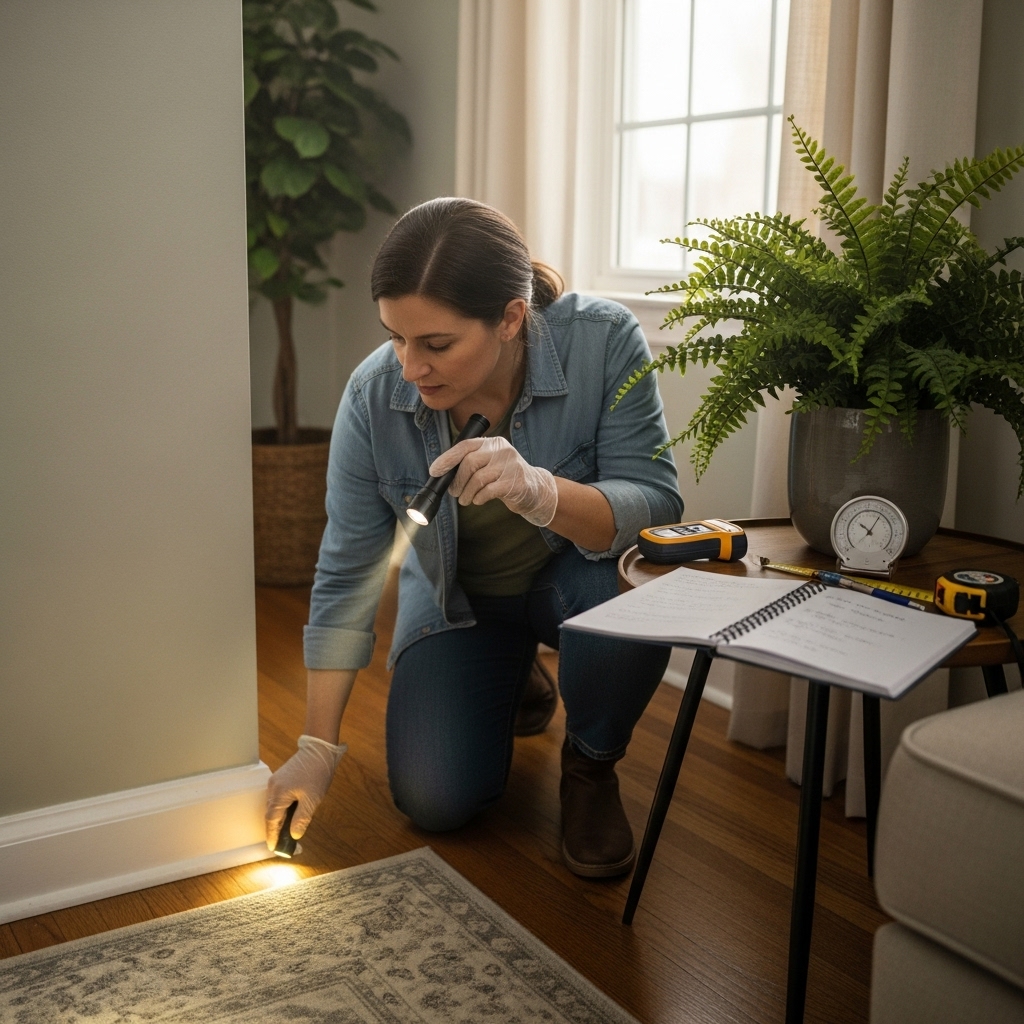
Mold inspection checklist for Bloomfield homeowners
Bloomfield, New Jersey experiences four distinct seasons, spring rains, and humid summers. Those conditions make water intrusion and indoor humidity common triggers for hidden mold. A practical, repeatable checklist empowers you to catch small problems before they become major headaches. This guide walks you through a room-by-room plan, explains what to document, and clarifies when it is time to bring in a professional. If you prefer expert eyes from the start, you can always schedule a professional mold inspection to get a thorough evaluation tailored to Bloomfield homes.
This checklist is designed for real-world use. You can complete it seasonally, after storms, when you notice musty odors, or before buying or selling a home. Work methodically, write down what you find, and take clear photos. It is better to note a minor concern now than to lose track of it later.
Understand what mold needs
Mold needs three things: moisture, a food source, and time. Most residential materials provide food, from drywall paper to carpet backing and wood framing. Time accumulates quickly if moisture persists for 24 to 48 hours. Your checklist therefore focuses on discovering and eliminating moisture and documenting any visible growth, staining, or odors that suggest moisture has been present.
Prepare your tools
Have a flashlight, notepad, measuring tape, disposable gloves, paper towels, plastic bags, a simple hygrometer to check indoor humidity, and batteries for smoke alarms you might remove temporarily to access ceiling areas. If you have a non-invasive moisture meter, include it. Wear closed-toe shoes and consider a simple mask if you will be checking dusty attics or crawl spaces.
Start outside: the building envelope
Walk the full exterior. Look at the roof for missing shingles, damaged flashing, sagging gutters, and debris that might block water flow. Inspect downspouts to ensure they discharge several feet away from the foundation and that the ground slopes away from the house. Examine siding for cracks, warped panels, gaps at windows and doors, and failed caulking. Note any plant growth touching the siding, as it can trap moisture. Check hose bibs for leaks and the foundation for hairline cracks or efflorescence, which can indicate moisture movement.
Entry points, foyer, and hallways
Water often follows traffic patterns. In entry areas, check for swelling or discoloration on baseboards, soft spots in hardwood near door thresholds, and musty odors trapped in area rugs. Look at ceilings below any bathrooms or laundry rooms on upper levels. Staining, paint bubbling, or nail pops can signal leaks above.
Living room and family spaces
Move furniture a few inches from exterior walls to check for condensation marks or dust lines that reveal airflow patterns. Inspect window sills and frames for condensation damage, peeling paint, or darkened caulk. If you have a fireplace, check the surround and hearth for efflorescence, soot staining that looks damp, and gaps where the chimney meets framing. Listen for rattling or gurgling in nearby baseboards that could indicate hydronic heating system issues.
Kitchen checklist
Open sink cabinets and feel the bottoms and sides for dampness. Look for drip marks under the P-trap and at dishwasher and refrigerator supply lines. Pull out the refrigerator if possible to check the floor and wall behind it for dust-clogged coils, condensation, or water line leaks. Examine backsplash grout and caulk lines, especially behind sinks and around windows. Note any warping of cabinet toe kicks or a musty smell inside lower cabinets.
Bathrooms
Bathrooms are frequent moisture hotspots. Run the exhaust fan and check for airflow by holding a tissue near the grille. Inspect around the toilet base for staining or loose mounting, which can signal wax ring failure. Look at caulk around tubs and showers for gaps, discoloration, or softness. Check under sinks and in linen closets that share plumbing walls. If you notice ceiling stains below an upstairs bathroom, gently press to see if drywall has softened.
Bedrooms and closets
In bedrooms, focus on exterior walls and corners, especially where furniture or drapes limit airflow. Check window frames for condensation and sill staining. Open closets and look closely at ceiling and floor corners, where temperature differences can create microclimates that condense moisture. A faint musty odor in a closet is often one of the first clues that humidity is too high or that a hidden leak exists nearby.
Attic
Choose a cool day, use good lighting, and step carefully. Examine sheathing for dark staining, visible fungal growth, or frost patterns in colder months. Confirm that bathroom fans and dryer ducts vent outside, not into the attic. Check insulation for dampness, compressed areas, or rodent trails that can redirect moisture. Look for daylight where it should not be, which indicates gaps. Inspect around chimneys and plumbing penetrations for failed flashing and water tracks.
Basement and crawl space
These areas often tell the truth about water behavior. Note the smell first. Musty, earthy odors frequently point to elevated moisture. Inspect foundation walls for efflorescence, active drips, or a visible tide line. Look at sill plates and rim joists for staining. If you have a sump pump, test it and review the discharge path. In crawl spaces, ensure ground vapor barriers are intact and that insulation is not sagging or wet. Identify any unsealed vents that may bring humid air inside during summer.
HVAC and ventilation
Replace or inspect filters and note date stamps to maintain a log. Check supply registers for dust lines that might reveal condensation, especially in rooms with closed doors. Look at the air handler cabinet, condensate drain pans, and lines for clogs or algae growth. Confirm that condensate lines pitch properly and terminate at an appropriate drain. If you have a whole-house humidifier or dehumidifier, review settings and check for leaks at connections.
Laundry and utility areas
Examine washing machine hoses for bulges or drips and confirm that drain lines are secure. Ensure the dryer vent is metal, not plastic, and that it exhausts outside with minimal lint accumulation. Inspect the water heater for corrosion at the base, pooling water, or discharge from the temperature and pressure relief valve. Look at boiler or furnace rooms for rust streaks or water marks.
Materials and furnishings
Porous materials can hide mold while appearing clean. Check the backside of area rugs, foam padding under carpets near exterior doors, and the bottoms of furniture legs for swelling or discoloration. In storage areas, look behind boxes and along baseboards for shadowy staining. Avoid disturbing suspicious growth; document it with photos and leave it for proper evaluation.
Measure and log humidity
Use your hygrometer to spot-check rooms. Aim for indoor relative humidity in a comfortable range appropriate for your season, and keep a record by room and date. Note any rooms that trend higher than others; those require extra ventilation or dehumidification. Write down when you run exhaust fans, open windows, or use portable dehumidifiers, and correlate that with changes in humidity to learn what works for your home.
Document everything clearly
Adopt a simple notation system: room, location, issue, severity impression, and photo number. For example, Kitchen, under sink, slow drip at hot supply, light staining, Photo 12. Consistent notes help you see patterns across time and make communication with professionals efficient. If you decide to get a professional evaluation later, your documentation becomes a valuable roadmap.
Know your red flags
Act quickly if you notice recurring musty odors, water stains that expand after rain, peeling paint on lower walls, soft or buckled flooring, or visible growth that is fuzzy, powdery, or slimy. Any time materials stay wet for more than a day, surface cleaning alone is not enough. At that point, a professional mold inspection provides the testing and moisture mapping required to understand both the cause and the extent.
What professionals typically assess
Certified inspectors look beyond what you can see. They use moisture meters, thermal imaging, and detailed visual mapping to locate the sources of moisture. They may recommend air or surface sampling to clarify the scope of hidden growth or to establish a baseline before and after remediation. They also interpret results in context, considering building age, ventilation, and your household’s patterns of use.
Post-inspection actions
If concerns are confirmed, prioritize source control. Fix plumbing leaks, improve drainage, repair flashing, or add targeted ventilation. Address damp materials by drying within a day if possible or by proper removal when saturated beyond recovery. Clean non-porous surfaces with appropriate methods and consider professional remediation if materials such as drywall, insulation, or carpet are compromised.
Seasonal routines for Bloomfield
In spring, verify gutters and downspouts are clear before heavy rains. In summer, manage indoor humidity and avoid leaving basement windows open on humid days. In fall, check roof flashing and attic ventilation before the first frost. In winter, watch for window condensation and ice dams that can push water under shingles. Keep this checklist handy and repeat it after major storms.
Health and comfort indicators
While only a medical professional can diagnose health conditions, you should listen to your environment. Persistent musty smells, increased dust on registers, and rooms that feel clammy or cool compared to others are environmental cues. If members of your household report irritation that eases when away from home, take that seriously and accelerate your inspection steps.
Moving from checklist to action
Your notes should end with a simple plan: items to monitor, items to fix now, and items that merit professional evaluation. Tackle moisture sources first, then reassess odors and stains. Update your log with dates and outcomes so you can verify that your interventions worked. If concerns persist, do not delay in elevating the response.
Frequently asked questions
Question: How often should I complete this checklist in Bloomfield? Answer: A seasonal review works well for most homes, with extra checks after heavy rain, snowmelt, or plumbing leaks. If your home has a history of moisture issues, monthly spot-checks are valuable.
Question: Do I need sampling to know if I have a mold problem? Answer: Not always. If there is visible growth and a known moisture source, the priority is correcting the moisture and addressing affected materials. Sampling can be useful to evaluate hidden issues or to verify clearance after remediation.
Question: Is bleach recommended for cleanup? Answer: It is not recommended on porous materials and can create surface discoloration without addressing the root problem. Focus on moisture control and use methods appropriate to the material type. When in doubt, consult a professional.
Question: What indoor humidity is reasonable? Answer: Keep humidity in a comfortable range for your season and aim for consistency across rooms. Use exhaust fans, dehumidifiers, and ventilation strategies to avoid spikes in problem areas like bathrooms and basements.
Question: Should I be concerned about older homes? Answer: Older homes in Bloomfield often have charming features and unique assemblies that require attention to ventilation, flashing, and drainage. The checklist still applies; simply be patient and thorough in attics, basements, and around original windows.
Ready to make your home healthier
If this checklist revealed concerns, it is wise to act before small issues grow. Photograph, document, and correct easy moisture sources. For complex findings, unusual odors, or recurring stains, schedule expert help. To move confidently from inspection to solutions, book a professional evaluation. Contact trusted local specialists and arrange your mold inspection today to protect the comfort, safety, and value of your Bloomfield home.