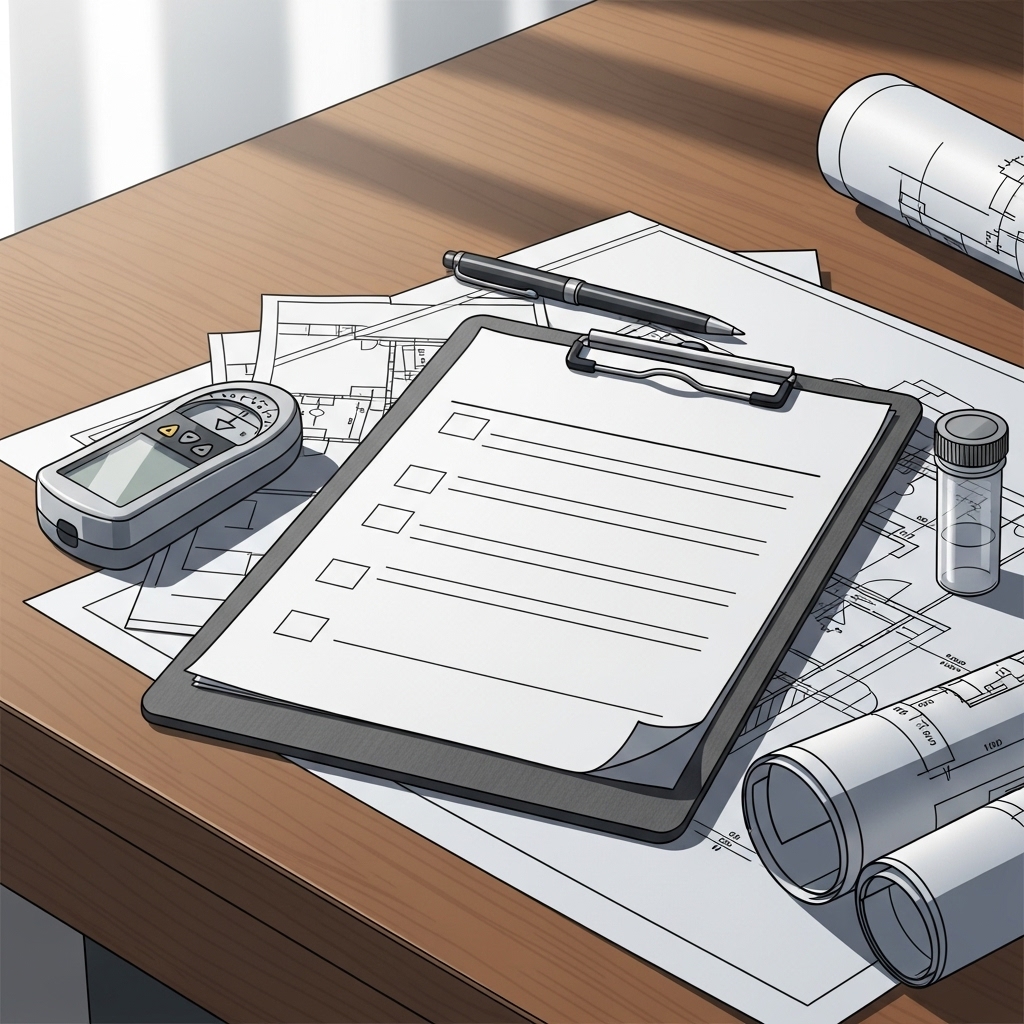
Success in mold mitigation begins with a clear plan. Whether you manage a multifamily building near Bloomfield Avenue, a single-family home, or a small business space, a disciplined checklist keeps the project on track from the first call to the final verification. Because Bloomfield, New Jersey experiences humid summers, seasonal storms, and older building materials, the most reliable outcomes come from a process that addresses both the mold and its moisture source. If you are ready to get organized, start by aligning with reputable mold mitigation services that follow documented procedures and communicate clearly at every step.
Pre-Assessment Preparation
Before the site visit, gather information that will help your contractor understand the history of the space and the nature of the problem.
- List recent leaks, storms, or plumbing issues and when they occurred.
- Note where you smell musty odors, see stains, or notice condensation.
- Identify rooms that feel more humid or have poor airflow.
- Collect prior repair invoices, maintenance logs, or photos that could illuminate hidden issues.
- Consider whether any occupants have sensitivities to damp environments.
Inspection and Moisture Discovery
A thorough assessment distinguishes surface growth from deeper problems and aligns expectations about the project’s scope.
- Visual Inspection: Map visible growth, water stains, and likely pathways of moisture.
- Moisture Readings: Use moisture meters or thermal tools to locate damp areas behind walls or under flooring.
- Source Identification: Diagnose the cause—roof leak, plumbing failure, foundation seepage, or elevated humidity.
- Risk Zones: Flag mechanical rooms, bathrooms, basements, and exterior walls that may need special attention.
Scope and Proposal
Ask for a clear, written proposal with details that help you compare contractors and plan for any disruption.
- Containment Plan: Where barriers will be installed and how adjacent spaces will be protected.
- Removal vs. Cleaning: Which materials are slated for demolition and which will be cleaned in place.
- Equipment: HEPA filtration, negative air machines, dehumidifiers, and other tools required.
- Schedule: Estimated timeline with milestones for setup, demo, cleaning, drying, and verification.
- Documentation: Photos, moisture logs, and any post-mitigation testing recommendations.
Site Preparation
Proper preparation reduces delays and keeps the work area safe for everyone involved.
- Clear Pathways: Move furniture or storage to allow containment and equipment setup.
- Protect Valuables: Relocate fragile items and electronics away from work zones.
- Access and Parking: Arrange building access, elevator usage, and parking for crews and equipment.
- Occupant Notices: Inform tenants or employees about work hours and any temporary restrictions.
Containment and Safety
Containment prevents cross-contamination. Safety protocols protect both occupants and the crew.
- Barriers and Seals: Install plastic sheeting, seal vents, and establish negative air pressure.
- PPE: Ensure that the crew uses appropriate protective equipment.
- Controlled Entry: Limit access to work zones and post signage to keep pathways clear.
- Daily Cleanup: Maintain cleanliness and remove debris regularly to reduce dust.
Removal and Cleaning
Methodical removal and cleaning restore the space and set the stage for reliable results.
- Selective Demolition: Remove porous materials that cannot be cleaned effectively.
- Surface Cleaning: Clean remaining materials using methods suitable for the surface type.
- HEPA Vacuuming: Capture fine particles and settled spores throughout the containment area.
- Detail Work: Address joists, sill plates, and mechanical penetrations where dust accumulates.
Drying and Environmental Control
Without proper drying, mold can return even after thorough cleaning. Environmental control is essential.
- Dehumidification: Use appropriately sized dehumidifiers to maintain target humidity levels.
- Air Movement: Deploy air movers strategically to assist evaporation while avoiding spread outside containment.
- Monitoring: Record daily moisture readings until materials stabilize within acceptable ranges.
- Ventilation: Adjust ventilation strategies to support drying without bypassing containment.
Verification and Documentation
Verification confirms the space is clean and dry, and documentation supports future decisions.
- Photographic Evidence: Before, during, and after images of affected areas and repairs.
- Moisture Logs: Measurements that show progress toward target dryness.
- Clearance Approach: Where appropriate, air or surface sampling to validate results.
- Final Report: A concise summary that you can share with stakeholders or keep for your records.
Addressing the Source of Moisture
Mold mitigation is most effective when paired with corrective actions that prevent recurrence.
- Exterior Drainage: Maintain gutters and downspouts and direct water away from foundations.
- Roof and Flashing Repairs: Address vulnerabilities that allow water intrusion.
- Plumbing: Repair leaks promptly and insulate lines to reduce condensation where feasible.
- Humidity Control: Use ventilation and dehumidification to maintain healthy indoor humidity.
Special Situations: Basements, Attics, and Multi-Unit Buildings
Different spaces pose different challenges and require tailored steps.
- Basements: Monitor for seepage after storms, and keep dehumidification active during humid months.
- Attics: Ensure proper ventilation and address roof leaks promptly to prevent hidden growth.
- Multi-Unit Buildings: Coordinate scheduling, occupant notices, and building-wide moisture strategies.
Choosing the Right Partner
A reliable contractor brings training, experience, and a commitment to thorough communication. Look for teams that answer questions clearly, provide detailed proposals, and document every step. Partnering with established mold mitigation services gives you a consistent process and confidence that the work will stand up to scrutiny.
Frequently Asked Questions
Do I need to test for mold before starting? Not always. Visible growth or clear moisture issues usually justify mitigation. Testing may be used for clearance or when occupants have sensitivities.
How long does a typical project take? Timelines vary by scope and drying needs, ranging from a few days to several weeks for complex cases or when repairs are required.
Can I stay in the building during work? Often yes, with proper containment. Sensitive individuals may prefer to limit exposure until verification is complete.
What items are usually removed? Severely affected porous materials such as certain drywall sections, insulation, or carpets may be removed. Non-porous items can often be cleaned.
Will the musty smell go away? Yes, when moisture is addressed and the environment is cleaned and dried thoroughly, odors typically dissipate.
How do I prevent mold from coming back? Control moisture: maintain gutters, fix leaks quickly, run exhaust fans, and keep humidity in a healthy range.
From Checklist to Action
Use this checklist as your roadmap. Start with a clear assessment, insist on strong containment and thorough drying, and verify results with documentation. When each step is executed carefully, you protect your property, your health, and your peace of mind. For guidance, scheduling, or a second opinion on your plan, reach out to local professionals who can turn your checklist into a successful project from start to finish. Restore confidence in your space by contacting trusted mold mitigation services and move forward with clarity.