
Certified Mold Inspection in Bloomfield, New Jersey: What It Means and Why It Matters
Bloomfield, New Jersey homes face a unique blend of weather patterns, older building stock, and four-season humidity swings that make moisture control a constant priority. When moisture lingers, mold can follow, and that is where certified inspectors provide critical clarity and confidence. In this introduction, you will learn what certification signifies, how a professional evaluation proceeds step by step, and how to use insights from the report to protect your property and health. If you are just starting your research, make sure you understand the difference credentials can make in mold inspection services so your inspection leads to reliable, actionable results.
Certification is more than a badge—it reflects training, tested knowledge, and adherence to industry standards. A certified inspector integrates science-based methods, ethical guidelines, and proven documentation practices to reduce uncertainty and provide a clear roadmap from discovery to resolution. In Bloomfield, that often includes attention to basements, crawlspaces, attics, window perimeters, and bathrooms, all of which can be vulnerable to hidden moisture and intermittent leaks.
Why Certification Is Essential
Certified inspectors are trained to evaluate buildings methodically. They follow published guidance for investigating moisture intrusion, documenting conditions, and determining when sampling is necessary. Certification also signals ongoing education. Mold science evolves, building materials change, and new instruments come to market; certified professionals commit to keeping their skills current so that your inspection reflects the latest best practices.
Ethics and impartiality are also embedded in certification programs. Proper chain-of-custody for samples, unbiased observation, and defensible reporting are part of a certified inspector’s responsibilities. This structure is especially important if you are coordinating with property managers, real estate agents, or insurance professionals who will rely on the inspection results to make decisions.
Bloomfield’s Local Conditions and Common Risk Areas
Bloomfield sits in a region with hot summers, cold winters, and periodic heavy rain. That variability can stress building envelopes and ventilation systems. Older homes may have historic charm yet contain legacy materials, aging flashing, and limited vapor control layers. Finished basements, common throughout Essex County, can conceal foundation seepage or condensation behind wall assemblies. Attics with insufficient insulation may experience seasonal ice dams or warm-air leakage that promotes moisture accumulation. Bathrooms and kitchens, if not properly ventilated, can produce chronic humidity and localized mold growth. A certified inspection adapts to these local realities by prioritizing high-risk zones and tracing moisture pathways.
The Certified Mold Inspection Process: Step by Step
While every property is unique, a certified mold inspection often follows a structured sequence. Understanding this sequence will help you prepare and will set expectations for the inspection day and the report that follows.
- Client Intake and Scope Definition: The inspector gathers background information—recent leaks, renovation history, musty odors, occupant symptoms, and areas of concern. Defining scope prevents oversight and ensures the inspection targets priority spaces.
- Exterior Review: Rooflines, gutters, downspouts, grading, siding, and window wells are checked for pathways that allow water to enter. Poor drainage or damaged flashing can drive moisture into basements or wall cavities.
- Interior Walkthrough: The inspector conducts a systematic visual assessment. Staining, bubbling paint, cupping hardwoods, microbial staining, and efflorescence can all signal moisture issues. Attention is paid to basements, crawlspaces, bathrooms, kitchens, laundry areas, and attics.
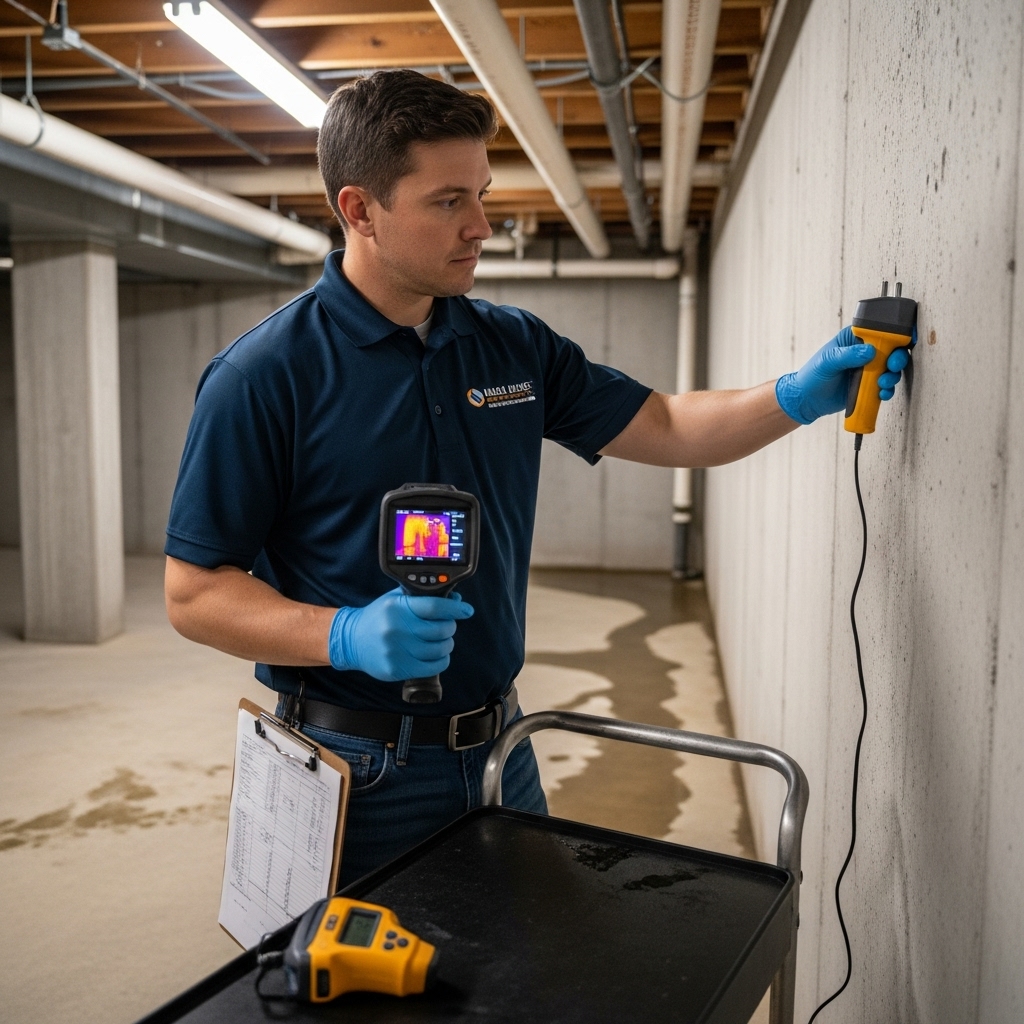
- Moisture Mapping: Non-invasive meters and infrared thermography help locate hidden moisture. Moisture mapping can identify damp areas behind baseboards, under flooring, or within drywall.
- Humidity and Temperature Readings: Spot measurements and sometimes data logging help evaluate ambient conditions. Elevated humidity can support mold growth even without liquid water.
- Ventilation and HVAC Review: Ductwork, filters, condensate drains, and coil areas are evaluated for cleanliness, condensate management, and air distribution patterns that can spread spores.
- Sampling (If Justified): A certified inspector recommends sampling only when it will materially inform decisions. Options may include air sampling, surface sampling, or wall-cavity sampling using minimally invasive techniques. Clear chain-of-custody and accredited laboratory analysis are essential.
- Documentation: Photos, diagrams, and moisture readings are compiled. Observations are tied to specific locations and conditions so the report is unambiguous.
- Analysis and Reporting: The inspector interprets findings, correlates them with site conditions, and drafts recommendations. Results focus on moisture sources, cleaning or remediation needs, and verification steps.
- Consultation: A good inspector explains the report, answers questions, and helps you plan next steps, whether that involves targeted repairs, ventilation improvements, or professional remediation.
At the heart of this process is the connection between moisture control and mold management. Moisture is the driver; mold is the symptom. Certified professionals keep this cause-and-effect relationship central, which is why the most dependable path forward often begins with professional mold inspection services that can identify the underlying moisture conditions and provide a structured roadmap to resolution.
Tools and Techniques You Can Expect
Certified inspectors often deploy a suite of instruments to gather accurate data:
- Pin and Pinless Moisture Meters: To verify damp building materials and map the spread of moisture.
- Infrared Cameras: To detect temperature anomalies that may indicate hidden moisture or air leakage.
- Hygrometers and Thermo-Hygrometers: To assess relative humidity and temperature, crucial for understanding indoor moisture balance.
- Particle Counters or Airflow Tools: To evaluate ventilation behavior and potential aerosolized particulate patterns.
- Borescopes: To peer into concealed spaces with minimal disturbance.
- Sampling Media and Pumps: When sampling is warranted, calibrated pumps and sterile media support reliable laboratory analysis.
These tools do not replace experience; rather, they amplify it. A certified inspector interprets data within the context of building science, local climate, and the property’s history.
Frequent Mold Scenarios in Bloomfield Properties
In Bloomfield, inspectors frequently encounter patterns tied to the area’s housing stock and weather. Basements may show seepage lines at the slab perimeter, microbial staining on the underside of subflooring, or damp insulation. Attics can develop discoloration on sheathing when warm interior air leaks into cold spaces, leading to condensation. Bathrooms without adequately sized or properly ducted exhaust fans tend to accumulate humidity, fueling mold growth on ceilings and grout. Kitchens with slow plumbing leaks may show discoloration inside sink cabinets or along kick plates. Laundry rooms and utility closets can harbor unaddressed condensation on cold surfaces. Certified inspectors look for both visible growth and the moisture source that sustains it.
Health and Building Considerations
While inspectors do not diagnose medical conditions, they can help reduce exposure by identifying reservoirs and recommending corrective actions. Mold can contribute to indoor air quality complaints, odors, and discomfort. On the building side, chronic moisture degrades materials, encourages pests, and accelerates wear on finishes. Addressing moisture and mold promptly safeguards both occupant comfort and the value of the property.
Preparing for a Certified Inspection
Preparation improves the efficiency and completeness of an inspection. Here are helpful steps:
- Access: Ensure the inspector can reach attics, crawlspaces, utility rooms, and exterior perimeter areas. Clear stored items where safe and practical.
- Documentation: Provide leak histories, repair invoices, or renovation notes. Even a simple timeline helps target the evaluation.
- HVAC: Replace dirty filters, verify that supply and return vents are unobstructed, and gather service records if available.
- Plumbing: Note any fixtures or appliances with recurring drips, backups, or condensation.
- Humidity Controls: Identify any dehumidifiers, ventilation upgrades, or air purifiers in use so the inspector can account for them.
Understanding Your Report
A certified inspector’s report should be clear and practical. Expect location-specific findings, moisture measurements where appropriate, photo documentation, and a narrative that links cause and effect. If sampling was performed, results should be explained in plain language with emphasis on what actions to take, not just what was detected. The real value of the report lies in its ability to guide decisions—prioritizing repairs, sequencing remediation, and establishing verification steps to ensure the issue is controlled.
Remediation, Cleaning, and Verification
Inspection does not equal remediation, but it informs it. If remediation is recommended, the report may suggest containment strategies, removal of contaminated porous materials, cleaning methods for hard surfaces, and air filtration approaches during work. Post-remediation verification—visual confirmation and, when appropriate, air or surface sampling—helps close the loop. Certified inspectors understand how to design verification steps that align with recognized standards and with the unique conditions of your property.
Prevention and Long-Term Moisture Management
Prevention rests on controlling moisture and maintaining ventilation. Consider the following strategies for Bloomfield homes:
- Exterior Water Management: Keep gutters clean, downspouts extended, and grading pitched away from the foundation.
- Roof and Envelope Maintenance: Address flashing, caulk joints, and siding damage before water can intrude.
- Basement Humidity Control: Use appropriately sized dehumidification during humid seasons, and seal obvious foundation cracks where appropriate.
- Ventilation: Install properly ducted exhaust fans for bathrooms and kitchens and verify they vent outdoors.
- Insulation and Air Sealing: Reduce warm-air leakage into cold spaces to limit condensation in attics and other cavities.
- Proactive Monitoring: After storms or plumbing repairs, spot-check for dampness so small problems do not become big ones.
Frequently Asked Questions
Q: Do I always need laboratory sampling during a mold inspection? A: Not always. Sampling is helpful when it answers a specific question—such as identifying hidden contamination or verifying post-remediation conditions. A certified inspector will explain when sampling adds value and when visual and moisture evidence is sufficient.
Q: Will a certified inspector open walls or remove finishes? A: The default approach is non-destructive. If invasive access is considered necessary, the inspector will explain why, outline the risks, and obtain your authorization before proceeding.
Q: How long does a typical inspection take? A: Duration depends on property size, complexity, and the number of areas of concern. The goal is thoroughness, not speed. Your inspector will estimate a timeframe during intake.
Q: Can mold return after remediation? A: If moisture returns, mold can reappear. That is why inspection focuses on identifying and correcting moisture sources in addition to addressing visible growth.
Q: What should I do if I smell a musty odor but see no mold? A: Odor can be an early indicator of hidden moisture. A certified inspection that includes moisture mapping and, if needed, strategically chosen sampling can help locate concealed problems.
Q: Is it safe to stay in the home during inspection? A: In most cases, yes. Inspections are observational and non-invasive. If a severe condition is identified, your inspector will advise you on prudent precautions.
Ready to Safeguard Your Bloomfield Property
If you are concerned about moisture or visible growth, the most important step is to act with clarity and confidence. A certified professional can translate observations into a plan that protects your household and your investment. Schedule a conversation with a trusted provider today and start with proven, science-based evaluation. For reliable local support, consider booking comprehensive mold inspection services and move forward knowing your next steps are well defined.