
A Homeowner’s Guide to Mold Inspection in Bloomfield, New Jersey
Whether you live in a historic Bloomfield colonial or a recently built townhouse, mold concerns can arise without warning. Plumbing drips, basement seepage, attic condensation, and everyday humidity all contribute to conditions mold loves. This guide explains what a home mold inspection entails, how to prepare, and how to interpret results so you can make informed decisions. If you are just starting to explore your options, begin by learning how professional mold inspection services structure the process for homes like yours throughout Bloomfield and surrounding communities.
Homeowners often ask: Is mold just cosmetic? The answer is that visible staining is the symptom, while moisture is the cause. An effective inspection treats the problem at its source by locating how water enters or accumulates and how indoor humidity behaves across seasons. When evaluation focuses on moisture pathways, your plan for remediation and prevention becomes clearer and more cost-effective.
How a Home Mold Inspection Works
Most homeowner-focused inspections in Bloomfield follow a predictable structure designed to be thorough yet minimally disruptive. Here is a high-level walkthrough of what you can expect on inspection day.
- Pre-Visit Consultation: You will share your observations—musty odors, recent leaks, discolored surfaces, or health complaints. Photos or notes help the inspector prioritize.
- Exterior Assessment: Roof edges, downspouts, grading, and siding are reviewed for water management performance. Even a small disconnect in drainage can affect basements and first-floor walls.
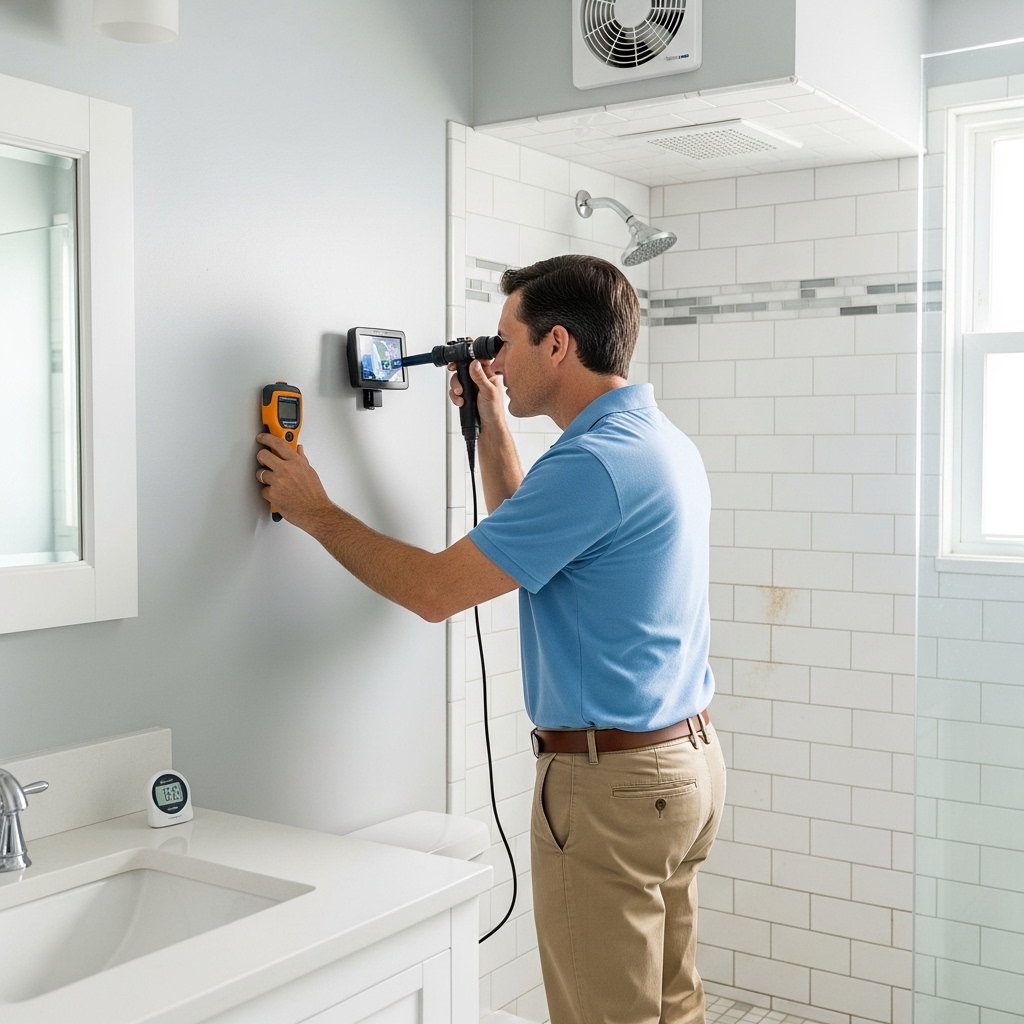
- Interior Visual Evaluation: Starting with areas of concern, the inspector examines ceilings, walls, floors, utilities, and finished spaces for signs of moisture and microbial growth.
- Moisture and Humidity Measurements: Meters and thermo-hygrometers quantify dampness and relative humidity to verify or rule out problem spots.
- Targeted Instrumentation: Infrared cameras, borescopes, or smoke pencils may be used to spot thermal patterns, look behind finishes, or trace air movement.
- Sampling When Indicated: Not every home requires sampling. When it is useful—for example, to investigate a hidden cavity, document conditions for a real estate transaction, or verify post-remediation cleanliness—the inspector will explain the method and expected insights.
- Documentation and Reporting: Photos, diagrams, and readings are compiled into a clear report detailing findings and recommendations tailored to your home.
Bloomfield-Specific Considerations
Bloomfield’s climate brings humid summers, snowy winters, and storm-driven rains. Many homes have finished basements where foundation seepage may be concealed. Attics in older homes sometimes lack modern air sealing and insulation, which can drive seasonal condensation. Bathrooms and kitchens must be ventilated effectively to control moisture. A home inspection in Bloomfield takes these patterns into account, ensuring the evaluation targets both obvious and subtle risks.
Preparing Your Home for Inspection
Small steps can streamline the visit and improve accuracy:
- Clear Access: Make sure the inspector can reach the attic hatch, basement perimeter, mechanical closets, and sink bases.
- List Your Observations: Note when odors are strongest, which seasons they occur, and where you have seen staining or leaks.
- Collect Documentation: Share repair receipts, roof warranties, or renovation timelines that may influence moisture behavior.
- Ventilation Check: Note whether bathroom fans vent outdoors and how often you use them. This context helps interpret humidity patterns.
Key Areas in the Home
Every room can reveal clues. Here are common focal points in Bloomfield homes:
- Basements and Crawlspaces: Look for wall efflorescence, slab cracks, damp storage boxes, and smells that intensify after rain.
- Attics: Discoloration on sheathing, uneven insulation depth, and disconnected bath fan ducts are telltale signs.
- Bathrooms: Peeling paint above showers, persistent condensation on mirrors, and discolored caulk indicate humidity control issues.
- Kitchens: Cabinet floor staining under sinks and near dishwashers may suggest slow leaks.
- Laundry Areas: Venting and condensate management are crucial to prevent localized moisture.
Sampling Options Explained
If sampling is recommended, your inspector will tailor methods to your goals:
- Air Sampling: Helps characterize airborne spore presence in occupied spaces or establish a baseline for post-remediation verification.
- Surface Sampling: Clarifies the nature of suspicious discoloration or validates cleaning effectiveness.
- Wall-Cavity Sampling: When hidden contamination is suspected, minimally invasive methods can provide clarity without major demolition.
Sampling results should always be interpreted in the context of the physical inspection. Numbers without narrative are rarely helpful. The most useful reports tie any lab findings to practical next steps for moisture control, cleaning, or remediation if needed.
Interpreting Your Report Without Stress
After the inspection, you will receive a clear, location-specific report. It should describe observed conditions, moisture readings where applicable, and recommended actions ranked by priority. Look for guidance that connects cause (moisture) to effect (growth). Reports should also outline verification steps so you know how to confirm that corrections are working over time.
Remediation vs. Routine Cleaning
Not all mold issues require the same response. Small, surface-level issues on non-porous materials may be manageable with targeted cleaning and humidity correction. Wider or concealed contamination, or cases involving porous building materials, often warrant professional remediation under containment with proper filtration and disposal protocols. A solid inspection helps you select the right level of response.
Preventing Recurrence: A Homeowner Checklist
- Manage Exterior Water: Keep gutters clear and downspouts properly extended. Confirm positive grading around the foundation.
- Ventilate Smartly: Use bath and kitchen exhaust fans that vent outdoors; run them long enough to remove residual humidity.
- Control Indoor Humidity: Consider dehumidification in basements during humid months.
- Fix Leaks Quickly: Even slow drips can feed mold if left unresolved.
- Seal and Insulate: Air sealing and insulation in attics reduce condensation risk.
- Monitor After Storms: Spot-check vulnerable areas to catch early signs of moisture.
Working With Home Professionals
Communication is key. Share your concerns, ask for plain-language explanations, and request that recommendations be prioritized and actionable. A homeowner-focused inspector understands that clarity, transparency, and practical guidance are just as important as technical accuracy.
Choosing a Home Mold Inspection Provider
When selecting a service, consider training, experience, and the quality of sample reports. Ask about equipment, sampling rationale, insurance, and how recommendations will be tailored to your home. Independence also matters: an unbiased evaluation helps ensure that inspection findings are not influenced by unrelated agendas.
Mid-Process Perspective: From Findings to Action
As you digest your report, keep the timeline simple: identify the moisture source, address it, then tackle contamination as appropriate. Verification closes the loop. Homeowners who approach the process in this sequence resolve problems more efficiently. When in doubt, seek out experienced professionals whose comprehensive mold inspection services blend building science with practical recommendations that fit the realities of Bloomfield living.
Frequently Asked Questions
Q: Can I do a DIY mold inspection? A: You can look for clues—stains, odors, dampness—but certified inspectors bring instruments, training, and interpretive experience that DIY methods cannot match.
Q: Will the inspection damage my home? A: Inspections are designed to be non-destructive. If limited invasive access is suggested, your inspector will explain why and seek your approval.
Q: What if the inspection finds mold behind walls? A: The report will outline a plan for safe containment, removal of affected materials, cleaning, and verification. It will also identify how to stop the moisture source so the issue does not come back.
Q: How quickly should I act after an inspection? A: Address moisture first, then follow recommended remediation steps. Timely action prevents additional damage and helps restore healthy conditions.
Q: Do I need to leave the house during remediation? A: It depends on the scope and containment setup. Your remediation contractor and inspector can advise you on safety and logistics.
Taking Care of Your Home, Season After Season
Bloomfield homes contend with changing weather and evolving building needs. A thorough inspection equips you to make wise, prioritized improvements—whether that means better drainage, upgraded ventilation, or targeted remediation. When you collaborate with a trusted professional, you gain not just data, but context and a plan.
Ready to Move Forward with Confidence
Your home deserves clear answers and a practical path to a healthier indoor environment. Reach out to a trusted local provider today, discuss your concerns, and schedule an appointment that fits your timeline. For homeowner-focused support backed by proven methods, schedule professional mold inspection services and take the first step toward long-term moisture control and peace of mind.