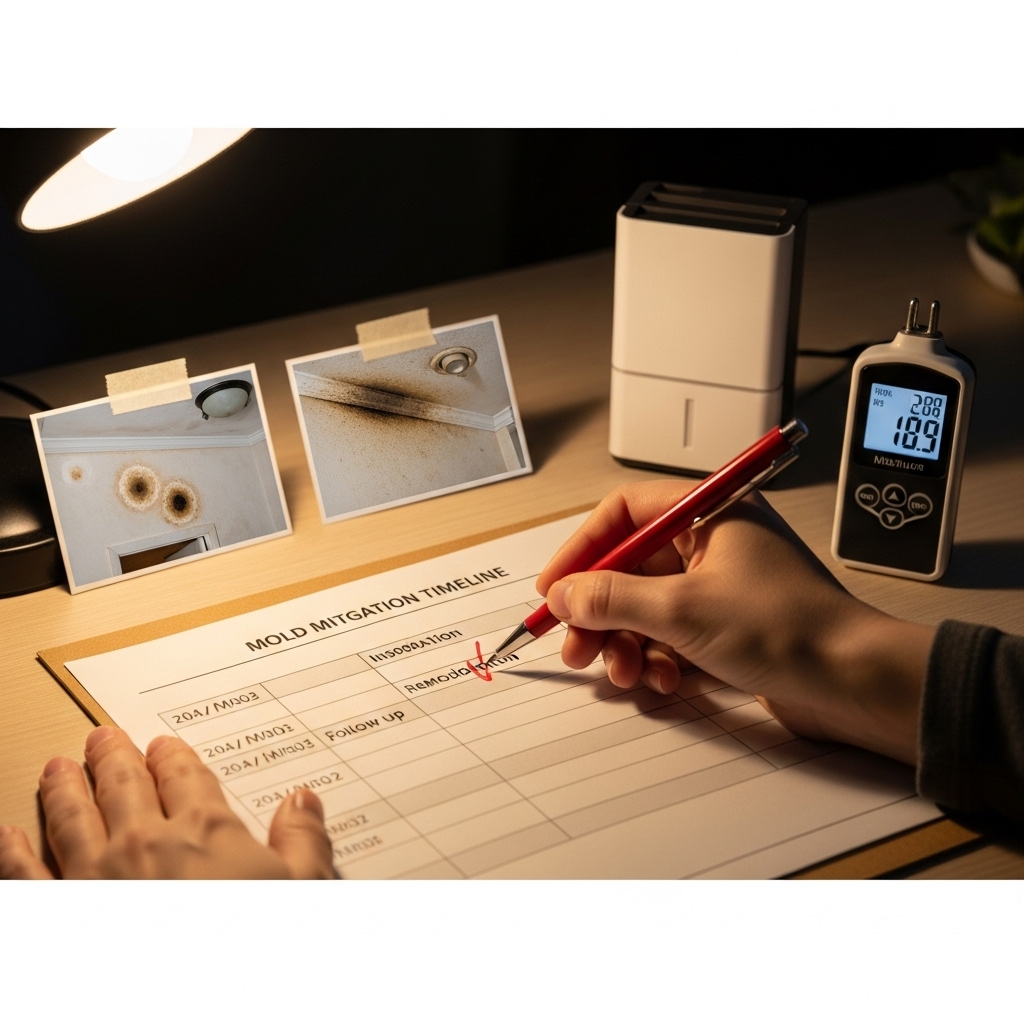
Planning a mold mitigation project in Bloomfield, New Jersey involves two big questions: how the work is structured over time and what factors influence the investment required. While every property is unique, the sequence of professional mitigation follows a dependable arc—assessment, containment, removal/cleaning, drying, verification, and documentation. Experienced providers of mold mitigation services build realistic schedules, align with your routines, and explain the drivers that shape the scope. By understanding these elements, you can prepare, make clear decisions, and keep the project moving smoothly from start to finish.
Because mold is driven by moisture, identifying and correcting the source is the foundation for a successful outcome. The timeline reflects not only how quickly teams can remove damaged materials and clean surfaces, but also how efficiently the building can be dried and stabilized. Moisture content in wood, drywall, and subflooring must return to normal before the project is considered complete.
What Shapes the Timeline?
Several variables influence how long mitigation will take in Bloomfield properties:
- Size of the affected area: Larger footprints require more containment, labor, and verification.
- Material types: Porous materials often need removal; non-porous and semi-porous surfaces may be cleaned. The mix affects sequencing and drying.
- Moisture levels: Heavily saturated materials require extended drying to reach normal ranges.
- Accessibility: Attics, crawlspaces, or tight mechanical areas take longer to access and protect.
- Occupied status: Scheduling around family routines or business hours can extend duration but reduce disruption.
- Source correction: Plumbing or ventilation fixes may be completed before, during, or immediately after removal and cleaning.
- Verification requirements: Some projects include additional checks or independent testing at the end, which adds coordination time.
Most projects begin with a rapid assessment, followed by containment installation. Removal and cleaning proceed in a logical sequence, and drying continues until materials reach normal moisture levels. Verification and documentation complete the process.
Typical Project Phases in Detail
- Assessment and planning: The team inspects all reported areas, uses moisture meters and thermal imaging to map dampness, identifies the likely source, and outlines containment and equipment needs. Clear communication sets expectations for access, daily schedules, and protection of belongings or inventory.
- Containment and environmental controls: Technicians install poly barriers, zipper doors, and negative air machines with HEPA filtration. This step protects adjacent areas and allows work to proceed efficiently.
- Removal and cleaning: Severely affected porous materials are taken out, with care to bag and remove debris through controlled paths. Salvageable surfaces are HEPA vacuumed and damp wiped, and work areas are kept orderly to reduce dust and interruptions.
- Drying and stabilization: Dehumidifiers and directed airflow bring materials to normal moisture levels. This phase continues in the background even as other tasks progress.
- Source correction: Leaks, ventilation issues, or exterior infiltration are addressed to keep conditions stable.
- Verification and documentation: Visual clarity, normal moisture readings, and a clean work area signal completion. Photos and logs provide a permanent record.
Depending on scope and moisture content, some phases overlap. For example, source correction may occur while drying is underway, and certain rooms may reopen sooner than others when containment allows.
What Influences the Financial Picture?
While no two projects are identical, the overall investment is shaped by the scope and complexity of the work. Consider these common drivers:
- Extent of affected materials: More square footage and deeper impact mean more labor, supplies, and disposal.
- Type of building assembly: Multi-layer walls, specialized finishes, or high ceilings require additional setup and care.
- Equipment needs: The number and size of dehumidifiers, air scrubbers, and other tools scale with the project.
- Access and logistics: Upper floors, tight stairways, or secure areas can add complexity to containment and material handling.
- Scheduling requirements: After-hours or phased work to keep operations running may extend the calendar.
- Verification preferences: Additional checks or independent testing add coordination.
- Prevention measures: Ventilation upgrades or moisture management improvements incorporated into the plan can affect scope but support long-term stability.
Clarity about these variables helps you plan confidently. Reputable providers offer transparent proposals that define the sequence of work, describe the equipment, and explain how unknowns will be communicated if discovered mid-project.
Residential vs. Commercial Timelines
Homes and businesses share a technical foundation but differ in logistics. Residential projects often prioritize family routines, protection of personal items, and phased access to bathrooms or kitchens. Commercial projects may emphasize off-hours work, signage, and coordination with multiple stakeholders. In both cases, the timeline reflects not just the size of the problem but the practical realities of how the space is used and how it can remain safe during mitigation.
Local Factors in Bloomfield
Bloomfield’s seasonal climate introduces predictable pressures. Summer humidity can slow drying without appropriate dehumidification, while winter’s temperature swings can encourage condensation in attics and along exterior walls. Basements in particular benefit from continuous humidity control and attention to exterior drainage and downspout performance. Providers familiar with local conditions calibrate equipment and recommendations to keep the timeline efficient.
Documentation and Communication
Strong communication is one of the best timeline tools available. Daily or milestone updates keep everyone aligned, reduce confusion, and help owners or managers make quick decisions when hidden conditions appear. Documentation—photos, moisture logs, and a narrative of work performed—validates progress and creates a clear endpoint.
Strategies to Keep Projects Efficient
- Prepare the space: Clear access paths and remove or relocate items from affected rooms before work begins.
- Align on schedules: Confirm daily start and end times and discuss any blackout periods due to family routines or business operations.
- Approve changes promptly: When hidden damage is discovered, swift decisions keep momentum.
- Support drying: Follow guidance on temperature settings, door closures, and window use to help equipment do its job.
- Finish prevention steps: Implement ventilation improvements or repairs quickly to prevent rework.
A proactive mindset, paired with a methodical plan, keeps projects on track and reduces overall disruption.
Understanding Scope Growth
Mitigation sometimes reveals hidden issues: damp insulation beyond a visible stain, extended moisture wicking at the base of walls, or concealed plumbing drips. When this happens, the scope may expand. Providers should have a clear change-order process and be ready to explain options. The advantage of a thorough approach is that it resolves the whole problem and reduces the likelihood of repeat disruptions later.
Verification: Knowing When the Project Is Done
Completion isn’t just about removing damaged materials. It’s about confirming that surfaces are clean, materials are dry, and the environment is stable. Many owners appreciate a final walk-through that reviews photos, moisture readings, and any recommendations for maintenance or ventilation. This conversation ensures everyone understands what was done and what steps will keep conditions healthy.
Frequently Asked Questions
Q: How soon should mitigation start after discovering mold? A: As soon as practical. Fast assessment helps limit spread and reduces disruption.
Q: Can mitigation proceed while we remain on-site? A: Yes, with proper containment and negative air. Residential and commercial projects alike can often continue operations in adjacent areas.
Q: Do we need testing? A: Many projects are guided by visual and moisture findings. Testing may be added when requested or when documentation requirements suggest it.
Q: How is the timeline determined? A: Based on affected area size, material types, accessibility, moisture content, source corrections, and verification steps. Your provider outlines the plan after assessment.
Q: What if conditions are worse than they appear? A: Hidden damage can expand scope. Clear communication and a structured change-order process keep the project moving without sacrificing quality.
Q: What can we do to prevent recurrence? A: Maintain appropriate humidity, improve ventilation, fix leaks promptly, and follow the provider’s preventive recommendations tailored to your property.
Planning Your Project with Confidence
A well-structured mitigation project brings clarity to a stressful situation. When you partner with a team that plans carefully, communicates openly, and documents every step, you gain control over the process even when unexpected findings occur. For guidance from a provider experienced in comprehensive mold mitigation services, schedule an assessment and move forward knowing your Bloomfield property is on a clear path to a healthier indoor environment.