
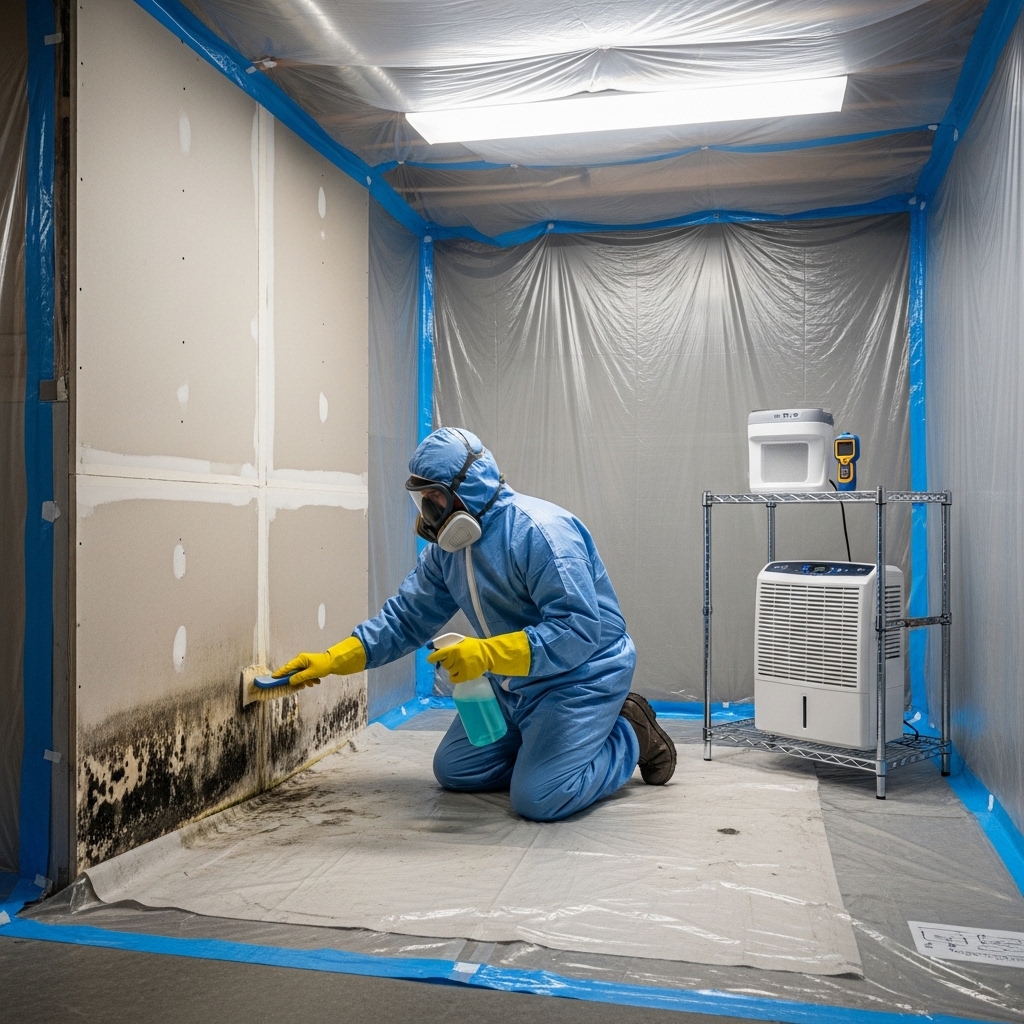
Mold can spread quickly in the humid, mixed-climate conditions common to Bloomfield, New Jersey, and addressing it without a plan can create unnecessary risks to your health, your property, and your peace of mind. If you are preparing to tackle mold removal in your home, understanding safety from the outset will help you avoid cross-contamination, protect indoor air quality, and achieve a thorough result. This guide focuses on safe methods for identifying, containing, removing, and preventing mold in Bloomfield homes, with step-by-step practices that fit the realities of older housing stock, finished basements, and seasonal moisture swings that often drive mold growth in the area.
Understand Why Mold Thrives in Bloomfield Homes
Bloomfield experiences humid summers, wet springs, and fluctuating temperatures that can push condensation onto cold surfaces. Older homes may have limited insulation, aging roofing, and below-grade areas with minimal vapor barriers. These conditions allow moisture to linger behind walls, under flooring, or around windows and mechanical systems. In bathrooms, kitchens, basements, and laundry rooms, regular water use and poor ventilation can create ideal habitats for mold. Recognizing these patterns helps you target the true cause of an outbreak. Instead of only cleaning visible staining, you will look for hidden leaks, capillary water intrusion through foundations, and condensation on piping or ductwork that quietly fuels recurring growth.
Health and Safety Principles Before You Start
Safety comes first with any mold work. People with asthma, allergies, or immune sensitivities may react to airborne spores and fragments. Even healthy individuals can experience irritation when disturbing colonies. Before beginning any work, plan for personal protective equipment, containment, and ventilation that minimizes the spread of spores to clean rooms. Evaluate whether anyone in the household is especially vulnerable—young children, older adults, or people recovering from illness—and consider scheduling work when they can be out of the home. Never mix bleach with ammonia or other cleaners, avoid dry brushing that aerosolizes debris, and do not run central HVAC during removal unless the system is fully isolated from the work area.
Initial Assessment: Find the Moisture Source
Safe mold removal starts with solving the moisture problem. Inspect the exterior for clogged gutters, short downspouts, negative grading that slopes toward the foundation, or gaps in window flashing. Inside, look for slow plumbing seepage under sinks, sweating or leaking water lines, overflows around washing machines, and foundation cracks that wick groundwater into basements. Musty odors often lead to hidden reservoirs behind paneling or drywall. Use your senses: observe discoloration, feel for dampness, and listen for drips. If possible, use a moisture meter to compare suspect materials to known dry areas. If you cannot confidently stop the moisture, any cleaning will be temporary and the problem likely to return.
Personal Protective Equipment (PPE) for Safety
Protect yourself from inhalation and direct contact. Aim for a respirator with appropriate filters, protective eyewear, disposable or washable gloves, and clothing you can launder immediately after work. For larger areas or heavy growth, disposable coveralls help prevent spores from hitchhiking to other parts of the house or your car. Before entering the workspace, assemble supplies so you can move efficiently without frequent trips in and out of containment. Keep a staging area for tools, extra bags, and towels to reduce confusion and ensure that dirty and clean items do not mix.
Containment: Keep Clean Rooms Clean
Containment separates contaminated zones from living spaces. Close doors, seal off openings with plastic sheeting, and create a single entry point to the work area. Airflow should move from clean areas toward the workspace, not the other way around. Avoid fans that blow directly onto mold; instead, use controlled ventilation that moves air through a capture filter or exhausts outside if feasible. Cover supply and return vents in the work area so spores do not enter the HVAC system. Keep the access path short and protected with drop cloths or plastic to simplify cleanup. Proper containment is the cornerstone of safe mold removal, because it controls spread while you clean.
Safe Removal on Non-Porous vs. Porous Materials
Not all materials respond the same way to mold. On hard, non-porous surfaces such as glass, metal, and glazed tile, physical removal of growth followed by thorough cleaning and drying is often effective. Semi-porous materials like finished wood and concrete can be cleaned but may require more diligent agitation and drying. Porous items such as carpet, insulation, acoustic tiles, and unsealed drywall typically cannot be fully cleaned once contaminated; these materials may need to be removed and appropriately disposed of. When removing porous materials, cut slightly beyond visibly affected edges and handle debris gently to reduce spore release. Double-bag debris and seal bags before moving them through the house.
Work Methods That Reduce Aerosols
The goal is to remove mold without creating unnecessary dust. Lightly misting surfaces before wiping can help, provided you are not saturating materials that will take too long to dry. Use slow, deliberate motions and keep tools close to the surface to minimize flicking spores into the air. For drywall or ceiling materials that must be removed, cut measured sections rather than tearing, and place pieces directly into bags. Wipe down the immediate surroundings as you progress, and change wipes or cloths frequently so you are not spreading contamination. Priotize cleanliness: small, careful steps produce better results than rushing.
Cleaning and Disinfecting in a Safe Sequence
A safe and effective sequence starts with dry containment and PPE, moves to physical removal of contaminated materials, then transitions to detailed cleaning and drying. After materials are removed, vacuum the area with equipment equipped with appropriate filtration. Follow with surface cleaning and a final wipe-down of nearby areas that may have received incidental dust. Dry the space thoroughly; lingering moisture can undo hard work. Keep in mind that cleaning alone cannot overcome an unresolved moisture source, so confirm that leaks and condensation are under control before closing up walls or reinstalling finishes.
Preventing Cross-Contamination During and After Work
Cross-contamination happens when spores hitch a ride from the work area to clean rooms. Limit movement in and out of containment, store tools in the workspace until the job is complete, and carefully bag debris. Remove PPE before leaving the workspace and launder clothing promptly. After work, perform a methodical cleanup of the access path and adjacent rooms. Do not run the central HVAC until you have removed coverings from vents and performed a general wipe-down of registers and nearby surfaces. If you used a portable air cleaner during the project, keep it running for a while after the final cleanup to capture residual particles.
Signs It Is Time to Call a Professional
Some situations exceed safe DIY scope. Consider expert help if there is extensive contamination, if the growth is connected to sewage or contaminated water, if there are strong odors in multiple rooms, or if vulnerable household members are present. Structural issues, complex moisture problems, or growth in HVAC systems also point to the need for professional assessment. If you find yourself re-cleaning the same area repeatedly, it may indicate a hidden reservoir behind finishes or within insulation that requires specialized tools to locate and address. In such cases, skilled teams can provide containment, removal, and verification under strict safety protocols, making professional mold removal the safer path.
Preventing Future Mold in Bloomfield
Long-term success depends on controlling moisture and improving ventilation. Add or upgrade bathroom exhaust fans, use kitchen range hoods that vent outside, and run dehumidifiers in damp basements during humid months. Seal foundation cracks and extend downspouts to discharge water well away from the building. Consider insulating cold water pipes to limit condensation and improving attic ventilation to reduce moisture load above ceilings. When remodeling, choose mold-resistant drywall for bathrooms and laundry rooms, and design details that allow easy cleaning and fast drying. Keep a seasonal checklist that includes gutter maintenance, window and door caulking, and quick checks after heavy rain.
Documentation and Peace of Mind
Documenting your work helps with future home maintenance and can be valuable during a sale or insurance claim. Take before-and-after photos, note moisture readings, and keep a log of what you removed, what you cleaned, and how you corrected the moisture source. If you request an independent inspection after you finish, provide your documentation so the inspector understands the steps taken. Clear records encourage consistency if you need to revisit an area later, and they reinforce that safety and thoroughness guided your approach.
Frequently Asked Questions
Q: Is bleach the best cleaner for mold? A: Bleach is not a universal solution. While it can help on certain non-porous surfaces, it may not penetrate porous materials, and improper use can create fumes or damage finishes. Physical removal and source control are more reliable, followed by appropriate cleaning and thorough drying.
Q: Can I paint over mold? A: Painting over mold does not solve the problem and can trap moisture. Remove contaminated materials where needed, clean, and dry surfaces before priming and painting. Use appropriate primers after remediation, not as a substitute for it.
Q: Are small spots safe to handle myself? A: Many small, isolated areas can be addressed safely with basic PPE, containment, and careful technique. However, persistent growth, strong odors, or widespread spotting signal deeper moisture issues that may require professional help to resolve safely and completely.
Q: Why does mold keep returning in my basement? A: Recurrent growth typically means excess humidity, foundation seepage, or condensation. Dehumidification, exterior drainage improvements, and sealing entry points often make the difference. Addressing these root causes is essential for lasting results.
Q: Should I run my HVAC during removal? A: Generally no, because air movement can spread spores through the ductwork. Seal vents in the work area and keep the system off until cleanup is complete. Afterward, remove protective coverings and clean registers before resuming normal operation.
Q: How do I know I am done? A: Completion includes visible cleanliness, normal odors, dry materials, and stabilized humidity. If you used moisture meters, verify readings are comparable to known dry areas. Consider a post-remediation check by a qualified evaluator if the project was extensive.
Protect Your Bloomfield Home Today
Safe mold work is about planning, protection, and patience. By identifying the moisture source, containing the space, removing contamination carefully, and preventing re-growth, you can restore a healthy indoor environment. If at any point the scope feels uncertain or the work exceeds your comfort level, reach out to a trusted local expert for guidance or service. Protect your family, safeguard your property, and restore comfort by scheduling mold removal with a team that prioritizes safety and thoroughness from start to finish.