When you discover mold in your Bloomfield, New Jersey home or business, the first reaction is often a mix of concern and uncertainty. What happens next? How long will it take? Will daily life be disrupted? A clear understanding of the process can ease stress and help you make confident decisions. Professional mold remediation is a systematic, safety-focused service, and knowing what to expect before anyone sets foot on your property will make the experience smoother and more effective.
Bloomfield’s weather patterns—humid summers, rainy springs, and occasional basement seepage—create conditions where mold can take hold after leaks, condensation, or past water damage. The goal of a proper service is not only to remove visible growth but also to address the sources that allowed mold to flourish in the first place. That combination of remediation and prevention is what restores a healthy indoor environment and helps you avoid repeat problems.
Understanding mold and why it grows
Mold is a naturally occurring organism that thrives wherever moisture, organic material, and stagnant air come together. Indoors, it often appears on drywall, wood framing, carpets, insulation, and behind baseboards. In Bloomfield, common triggers include roof leaks, bathroom humidity without adequate ventilation, foundation cracks letting in groundwater, and appliance failures that go unnoticed for a few days. If you smell a musty odor, notice discoloration on walls or ceilings, or experience persistent allergy-like symptoms, it is time to investigate.
It is worth noting that not all discoloration is mold, and not all mold is dangerous at the same level. Still, any suspected growth deserves prompt attention. Proper remediation helps protect the building materials, indoor air quality, and the well-being of those who spend time in the space. Skipping steps or relying on surface-only cleaning often allows spores to resettle and multiply.
Initial contact and evaluation
Your first step with a reputable provider is a conversation to describe what you see and smell, any known water incidents, and the areas of concern. Many companies will ask for photos and basic information about the structure. From there, they schedule an on-site evaluation. During the visit, the technician will look for visible growth, scan for moisture with meters, and may use thermal imaging to locate hidden damp zones behind walls or under flooring. The aim is to develop a plan that targets both the affected materials and the moisture conditions fueling the problem.
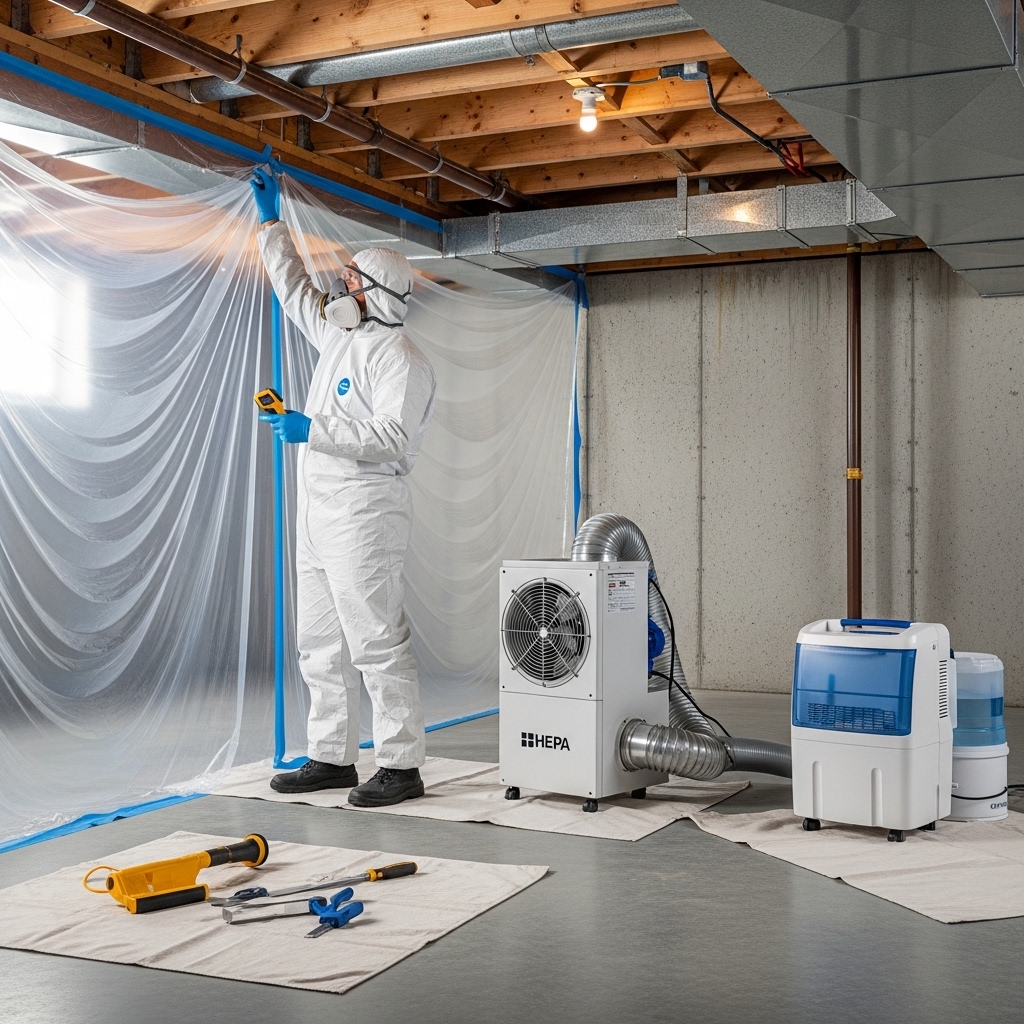
At this stage you will also hear about safety protocols. Professionals use appropriate personal protective equipment, containment barriers, and air filtration devices to prevent cross-contamination. They will explain which rooms need to be isolated, what pathways they will use, and how to protect clean areas from exposure.
Clear scope and written plan
After the evaluation, expect a written scope of work. This document specifies the rooms, surfaces, and materials to be addressed; the containment strategy; the removal and cleaning methods; and the drying and verification steps. If there is suspected hidden growth, the plan may include exploratory demolition in a controlled manner. Depending on your situation, an independent indoor environmental professional could be recommended for testing or post-remediation verification. While optional in some cases, independent verification is useful for sensitive environments or larger projects.
Either way, the plan should be understandable and comprehensive. You should know what will be removed, what may be cleaned and saved, how the team will manage dust and debris, and how long each phase is expected to take. Clarity here reduces surprises later.
Containment and protection
Before any removal starts, the crew will set up containment to separate impacted areas from the rest of your property. Think of this as a temporary room-within-a-room using plastic sheeting, zipper doors, and sealed openings around vents or gaps. Negative air machines with HEPA filtration are typically used to pull air from the work area and exhaust it safely, minimizing the spread of airborne particles.
Floor protection, clean pathways, and careful staging of equipment help keep unaffected spaces tidy. Technicians in protective gear will enter and exit following specific protocols to reduce tracking dust. For a home or office, this attention to detail is reassuring, because it shows the team’s commitment to health and cleanliness.
Removal and cleaning methods
Remediation involves removing materials that cannot be effectively cleaned and restoring those that can. Porous materials like wet drywall, long-saturated insulation, and certain carpets are typically removed and discarded according to local regulations. Semi-porous and non-porous materials—framing lumber, subfloors, concrete, and metal—are often salvageable with the right techniques.
Technicians use HEPA vacuuming to capture surface spores, mechanical agitation to dislodge stubborn growth, and antimicrobial cleaning to address residual contamination. The exact approach depends on the material, the extent of moisture exposure, and the type of contamination observed. Proper source removal is always prioritized over surface-only treatments because it addresses the root of the problem.
Drying and humidity control
No remediation is complete without returning the building to a dry, stable condition. After removal and cleaning, dehumidifiers and air movers may be used to reduce moisture in the structure. Moisture meters guide decisions, ensuring wood and other materials reach appropriate dryness targets before reconstruction begins. Addressing the original water source—repairing plumbing, improving grading, sealing penetrations, or upgrading ventilation—is essential to sustainable results.
In Bloomfield, basements are a frequent point of concern, and humidity can fluctuate seasonally. Long-term mold prevention includes managing indoor relative humidity, using bath and kitchen exhaust fans, maintaining gutters and downspouts, and monitoring areas prone to condensation.
Verification and documentation
As the work progresses, the team documents what they find and what they do. Photos before, during, and after help you see hidden issues and confirm that materials were removed or cleaned appropriately. Documentation can also support communication with landlords, tenants, or insurance representatives when needed. Some projects include air or surface sampling performed by an independent professional after the work is finished to confirm that cleaning objectives have been met and that the area is ready for restoration.
Clear documentation promotes transparency and gives you a reference for future maintenance. It also informs the reconstruction team about which areas were opened, what materials were removed, and any special instructions for rebuild.
Living through a remediation project
Many property owners worry about disruption. A well-managed project creates minimal disturbance outside the work zones. You may be asked to limit access to affected rooms and keep pets and children away from containment barriers. If the scope is confined, you can usually remain in the building. For larger projects or sensitive occupants, temporary relocation might be discussed. Your project manager will outline the anticipated schedule and daily routines so you can plan accordingly.
Noise from equipment is normal during working hours, and there may be short periods when technicians need to move materials in and out. The crew should clean up work areas daily and safely store tools to reduce clutter and hazards.
Choosing a local professional
In a market with many service providers, look for a company with specific training in remediation standards, robust safety practices, and a track record in Bloomfield’s housing stock. Ask about containment, HEPA filtration, moisture diagnostics, and documentation. Request a clear scope, projected timeline, and communication plan that explains how updates will be handled. Experienced teams offer practical guidance that fits local building types and climate conditions, giving you confidence that the work addresses both immediate needs and long-term prevention.
As you evaluate options, consider the value of working with practitioners who emphasize education and prevention. A provider who explains their methods and invites your questions helps ensure the final result is thorough and sustainable. In the middle of your decision-making, remember that effective mold remediation is a coordinated process, not a quick wipe-down.
Homeowner or property manager checklist
- Identify and stop active water sources as soon as possible.
- Document visible growth and moisture damage with photos.
- Clear access to affected rooms, utility areas, and mechanical spaces.
- Ask for a written scope that details containment, removal, cleaning, and drying.
- Confirm how the team will protect clean areas and manage airflow.
- Discuss verification steps and documentation you will receive.
- Plan for temporary adjustments to daily routines during work hours.
- Schedule follow-up maintenance, including humidity monitoring and ventilation checks.
Common myths and mistakes
One frequent misconception is that a single application of a cleaning product will permanently solve the problem. While cleaners have their place, they cannot substitute for the removal of contaminated porous materials and correction of moisture conditions. Another mistake is delaying action after a leak, assuming the area will dry naturally. Hidden cavities often remain damp longer than expected, inviting growth behind the scenes.
It is also a myth that mold exists only in basements. Bathrooms, kitchens, laundry rooms, and attics are common hotspots due to steam, cooking moisture, and insufficient ventilation. A holistic approach that includes air movement, appropriate insulation, and moisture control throughout the home is the best defense.
Aftercare and prevention tips
Once remediation is complete, adopt habits that keep your indoor environment healthy. Run bathroom exhaust fans during and after showers, use kitchen ventilation while cooking, and maintain indoor humidity in a comfortable range. Inspect caulking around tubs, sinks, and windows; repair leaks promptly; and keep furniture a few inches from exterior walls to promote airflow. Seasonal checks of roof flashing, gutters, and downspouts help keep water away from the building envelope.
Consider using a hygrometer to keep an eye on humidity in basements and crawlspaces. If levels trend high, portable dehumidifiers or upgrades to HVAC systems can help. The goal is to create conditions that discourage mold from returning.
Frequently Asked Questions
Q: Do I need testing before remediation? A: Not always. If there is visible growth and known moisture damage, many professionals will proceed with a well-documented remediation plan without preliminary testing. Testing can be helpful for larger projects, for sensitive occupants, or for post-remediation verification.
Q: How long does remediation take? A: Timelines vary with size and complexity. Small, contained areas may be addressed in days, while multi-room projects that require extensive drying and rebuild coordination take longer. Your provider should outline a realistic schedule after the initial assessment.
Q: Can I stay in the house during the work? A: Often yes, if the impacted zones are contained and access is controlled. For more extensive projects, sensitive individuals may choose to stay elsewhere temporarily. Your provider will advise based on scope and safety.
Q: Will all materials be removed? A: Only those that cannot be effectively cleaned or that remain wet are typically removed. Sound framing and non-porous surfaces can often be cleaned and preserved. The decision is guided by moisture readings, material type, and visual findings.
Q: What if the mold returns? A: Recurrence usually indicates unresolved moisture. A comprehensive approach addresses leaks, ventilation, and humidity control. If growth reappears, reach out promptly for a follow-up assessment.
Q: Is there a strong odor during remediation? A: There may be musty smells when opening cavities and temporary scents from cleaning products. Proper ventilation, HEPA filtration, and product selection keep odors manageable and short-lived.
Q: What about my belongings? A: Contents in affected areas may be assessed for cleaning or temporary removal. Non-porous items often clean well; porous items depend on exposure and condition. Your provider will explain options for handling contents.
Working with insurance and documentation
If a covered water event caused the issue, documentation becomes even more important. Keep records of the incident, communications, and photos. Your remediation provider can supply detailed notes and images that describe the steps taken, the materials removed, and the conditions measured along the way. This transparency supports claims and helps all parties understand the full scope.
Regardless of insurance status, a well-documented project sets you up for a smooth transition to reconstruction. It also gives you a blueprint for ongoing maintenance and inspections in areas previously affected by moisture.
Ready for a healthier property in Bloomfield?
Whether you are addressing a small localized issue or a multi-room challenge, partnering with a team that prioritizes safety, clarity, and prevention makes all the difference. If you are ready to learn more about professional mold remediation and how it applies to your specific situation, reach out to a trusted local specialist. With the right process and guidance, you can restore comfort, protect your investment, and enjoy better indoor air for years to come.