
Introduction: Keep Apartment Living Fresh in Bloomfield, NJ
Apartment residents in Bloomfield, New Jersey face unique challenges when it comes to mold odor. Shared walls, compact kitchens and baths, limited control over building ventilation, and varying maintenance practices can all affect indoor air. The good news is that you can dramatically reduce musty smells with daily habits and smart upgrades that fit within typical lease agreements. If you prefer expert help or run into persistent issues you cannot access or repair, local specialists offer comprehensive mold odor removal evaluations and solutions tailored to multi-unit buildings.
This guide focuses on what renters, condo owners, and property managers can do—individually and together—to prevent mold odor before it starts.
Understand the Sources in Apartments
Mold odor lingers when moisture accumulates. In apartments, moisture commonly comes from showers and cooking without adequate exhaust, small plumbing leaks in neighboring units, condensation on cool exterior walls, and insufficient airflow in closets or under furniture. Odor can also travel through common chases and hallways, making it feel like an entire floor smells musty even when the source is localized.
Daily Habits That Make a Big Difference
- Run the bathroom fan during showers and for 20 minutes afterward; if there is no fan, open a window briefly when outdoor humidity is lower.
- Cook with lids on pots and run the kitchen exhaust while boiling or simmering.
- Wipe condensation from windows each morning during colder months.
- Hang towels to dry fully and avoid leaving damp laundry in hampers.
- Keep furniture an inch or two away from exterior walls to promote airflow.
- Open closet doors periodically and avoid overpacking shelves.
Smart Setup for Small Spaces
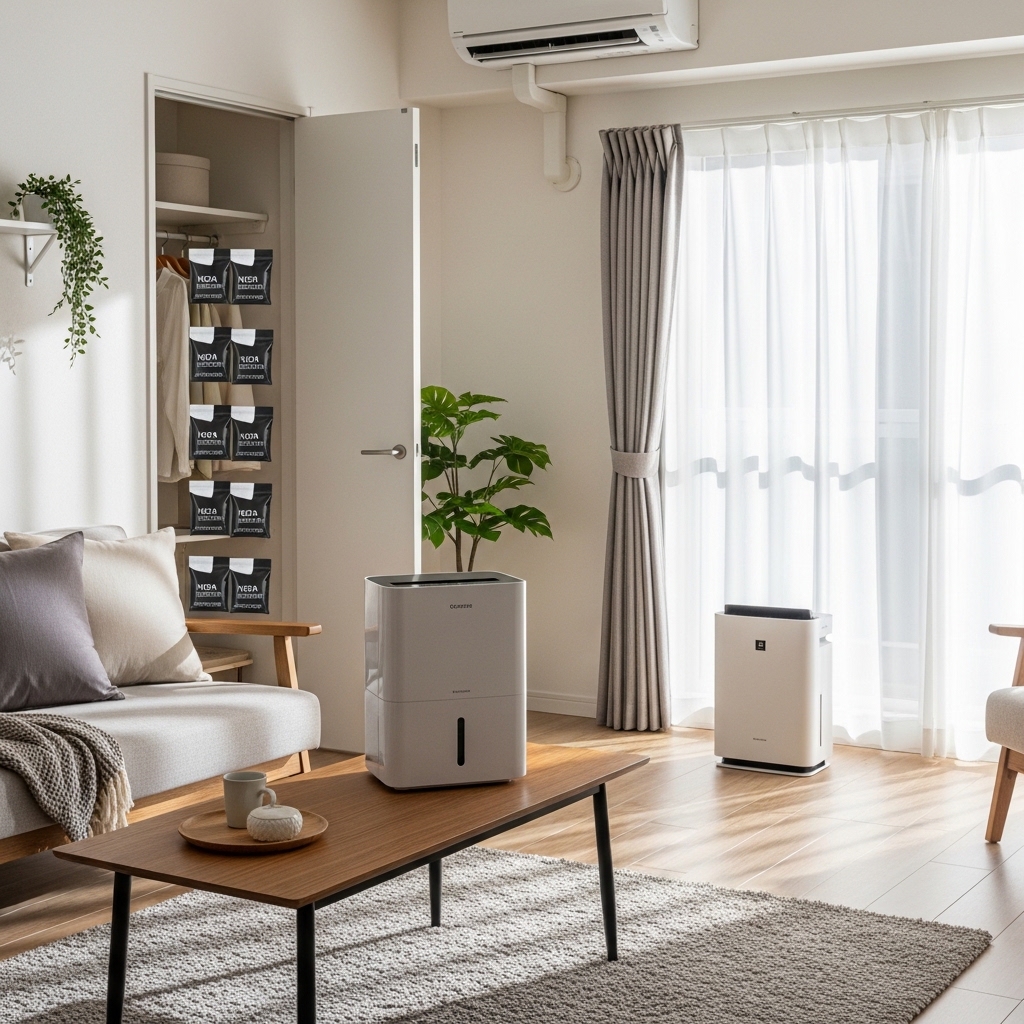
Limited square footage means moisture can build quickly. Consider a compact dehumidifier for the main living area during humid months. Use low-profile shelving in closets to keep items off the floor. Store shoes and seasonal clothing in breathable containers rather than cardboard, which absorbs and retains odor. A small HEPA-plus-carbon air purifier can run quietly in the bedroom or living room to capture odor compounds and fine particles.
Moisture Mapping for Apartments
Even if you cannot open walls, you can map moisture patterns. Note where odor concentrates—under sinks, near a shared bathroom wall, by a bedroom corner, or around a balcony door. Check under rugs and doormats for dampness after rain. If an adjacent unit’s plumbing stack runs through your bathroom, pay extra attention to humidity and any recurring wall discoloration.
Maintenance Requests That Matter
- Report slow leaks immediately: dripping faucets, sweating toilet tanks, or dampness under sinks.
- Ask property management to confirm bathroom and kitchen fans vent outdoors rather than recirculate.
- Request weatherstripping or caulk repairs around windows and balcony doors to reduce infiltrating moist air.
- Suggest periodic inspections of roof and exterior masonry if top-floor units experience repeated leaks.
- Encourage regular HVAC filter changes in central systems that serve multiple apartments.
Cleaning Practices That Prevent Odor
- HEPA vacuum floors and soft furnishings weekly to reduce dust that holds moisture and odor.
- Wipe hard surfaces with a mild detergent solution, especially in kitchens and baths.
- Launder shower curtains and liners regularly; consider quick-dry fabrics that resist mildew.
- Wash and thoroughly dry bath mats; avoid leaving them damp on the floor.
Closet and Storage Strategies
Closets are common hotspots. Add small desiccant or carbon pouches on shelves, rotate clothing seasonally to prevent long-term odor absorption, and avoid storing damp shoes or gym gear inside. If a closet backs up to an exterior wall, keep a small gap between stored items and the wall surface. In building basements or shared storage rooms, use plastic bins with tight lids instead of cardboard boxes.
Neighbors and Building-Wide Solutions
Because odors can migrate, communication helps. If you suspect a leak in a neighboring unit, document what you observe—times, odors, and locations—and request an inspection. Building-wide solutions might include adding or upgrading exhaust fans, improving hallway ventilation, sealing penetrations in utility chases, and setting a building standard for humidity control during peak seasons.
When Professional Help is Best
Persistent odor after diligent habits may indicate a hidden source—inside wall cavities, under flooring, or in shared ventilation. Professionals can use moisture meters and thermal imaging to pinpoint trouble behind finishes without unnecessary damage. They can also coordinate with property managers for access and approvals. If you want a streamlined path to resolution, consult a team skilled in multi-unit mold odor treatment that can provide documentation and recommendations both tenants and landlords can follow.
Pet and Plant Considerations
Pet bedding and litter areas can contribute to general odors that mingle with mustiness. Wash pet fabrics frequently and ensure litter boxes are in well-ventilated areas. For houseplants, avoid overwatering and use saucers under pots to prevent leaks onto floors or shelves. Grouping plants together can raise local humidity; spread them out if you notice persistent condensation nearby.
Seasonal Tips for Bloomfield Apartments
- Spring: After heavy rains, check window sills and balcony thresholds for moisture and dry promptly.
- Summer: Use air conditioning and a compact dehumidifier to maintain a comfortable humidity range.
- Fall: Clear balcony drains and ensure window screens and weather seals are intact before the wet season.
- Winter: Manage condensation by cracking interior doors for airflow and wiping window glass in the mornings.
Frequently Asked Questions
Q: Can I prevent mold odor without a dehumidifier? A: In small apartments, strong ventilation habits—using exhaust fans, opening windows strategically, and limiting indoor moisture—can go a long way, but a compact dehumidifier helps during humid months.
Q: What if my bathroom has no exhaust fan? A: Open a window briefly when outdoor humidity is lower, and use a small fan to move moist air out of the bathroom doorway. Discuss fan installation with management if possible.
Q: Are scented sprays a good idea? A: Scented sprays may mask odors but do not address moisture or microbial sources. They can also irritate sensitive occupants.
Q: How do I handle musty closet smells? A: Improve airflow, reduce overcrowding, use carbon or desiccant pouches, and rotate textiles. If odor persists, check for condensation or leaks on the wall behind the closet.
Q: What should I document for my landlord? A: Note dates, times, weather conditions, and locations of odor and moisture. Photos of condensation or stains help prioritize repairs.
Q: Can odors travel through vents? A: Yes, odors can move through shared ventilation and utility chases. Proper sealing and balanced airflow reduce migration between units.
Fresh Air, Comfortable Living
With the right habits and a cooperative approach between residents and management, apartment mold odor is preventable. If you want assessment and guidance tailored to your building, connect with local experts who understand multi-unit systems and Bloomfield’s climate. Take the first step toward consistent freshness and healthier indoor air with trusted mold odor services designed for apartment living.