
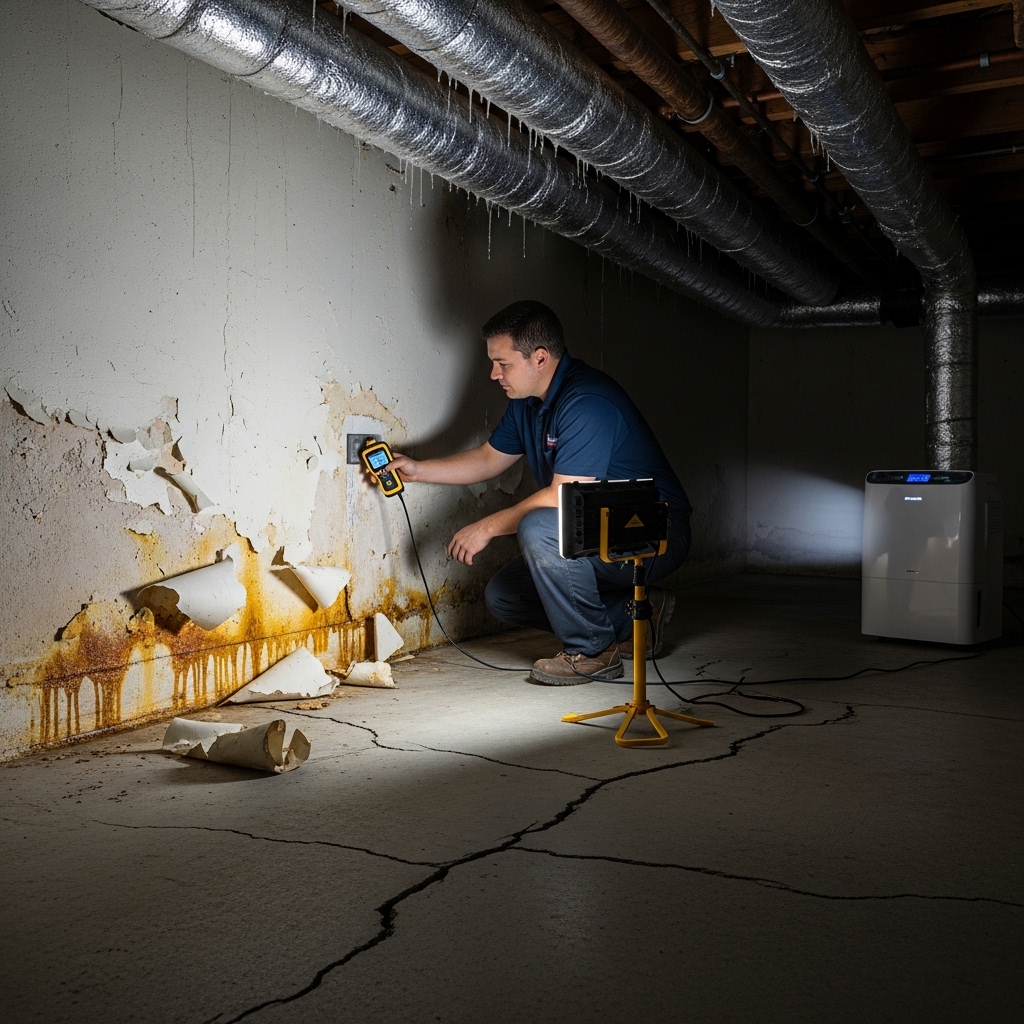
When you search for mold inspection near me in Bloomfield, New Jersey, you are likely dealing with a situation that needs attention now, not later. Whether you have noticed a musty odor, discoloration on walls, or persistent allergy-like symptoms, finding reliable professionals is essential for your home and health. The right team will not only identify current issues but also provide clear guidance on preventing future problems. If you are beginning this journey and want a dependable starting point, explore professional mold inspection solutions that emphasize comprehensive evaluation, local expertise, and actionable recommendations.
Bloomfield’s blend of older homes, multifamily buildings, and newer renovations creates diverse conditions where moisture and mold can flourish. From basement seepage after heavy rainfall to poorly vented bathrooms in vintage properties, the causes can vary widely. That is why a thoughtful, methodical inspection is indispensable. A trusted provider in Bloomfield understands both the building styles and the seasonal patterns that influence indoor moisture. With that knowledge, inspectors can tailor their approach, prioritize high-risk areas, and deliver practical steps that fit your property’s age, layout, and maintenance history.
Why Mold Inspection Matters in Bloomfield
Bloomfield experiences humid summers and cold winters, conditions that encourage condensation, ice dams, and moisture intrusion. Homes that sit near low-lying areas or have older drainage systems may be more vulnerable to basement dampness. Even in well-maintained houses, routine activities like cooking, bathing, laundry, and running humidifiers can introduce excess humidity. Without proper ventilation, moisture lingers, and mold thrives. A thorough inspection helps identify hidden dampness, track down sources of water, and distinguish between minor surface growth and deeper structural concerns.
Beyond property upkeep, mold assessment supports a healthier indoor environment. Some occupants notice irritation to the eyes, nose, or throat, while others experience persistent coughing or headaches. Sensitive individuals can be particularly affected, especially in spaces where humidity is consistently high. By understanding where moisture accumulates and how air moves through the building, an inspector provides a roadmap for remediation or preventive measures. This clarity is vital if you plan to sell, buy, or renovate, as it allows you to address issues proactively and document improvements.
What a Trusted Mold Inspection Includes
Reputable inspectors in Bloomfield follow a step-by-step process designed to capture the full picture of your home’s condition. While every property is unique, a professional visit commonly includes the following elements, adapted to your layout and concerns:
- Client interview to document symptoms, past leaks, prior repairs, and any known humid areas.
- Exterior review to spot roof wear, gutter clogs, grading issues, siding gaps, and foundation cracks that can introduce water.
- Interior walkthrough focused on bathrooms, kitchens, laundry rooms, basements, crawlspaces, and attics, as well as around windows, doors, and utility penetrations.
- Moisture mapping using handheld meters to detect damp building materials not obvious to the eye.
- Thermal scanning when appropriate to visualize temperature differences that may indicate hidden moisture.
- Ventilation assessment of exhaust fans, attic vents, and HVAC returns to ensure humid air is being properly moved outdoors.
- Documentation with photos and notes to create a clear record of findings.
The outcome should be a readable, detailed report that explains where moisture is present, what may be causing it, and the practical steps to address it. This could include behavior changes like using exhaust fans more consistently, maintenance such as cleaning gutters and extending downspouts, or repairs like sealing penetrations and improving insulation.
Common Sources of Moisture in Bloomfield Homes
Several recurring issues lead to mold in local homes. Roof leaks from aging shingles or flashing allow water in during storms. Improper grading directs rain toward the foundation rather than away from it. In older houses, clay sewer lines or outdated sump systems can complicate drainage, resulting in damp basements. Bathrooms without effective ventilation create chronic humidity, especially after hot showers. Kitchens contribute steam during cooking and dishwashing. Laundry areas can leak or vent poorly, and humidifiers set too high keep indoor moisture at levels where mold can flourish.
Seasonal transitions add stress to building systems. In winter, ice dams may back water under shingles, while in summer, warm humid air can condense on cool surfaces like AC ducts. These conditions call for vigilant inspection, especially in attics, basements, and around utility penetrations. A trusted inspector recognizes these patterns and knows which trouble spots to check first.
How to Evaluate Providers Near You
Finding a trustworthy professional takes more than skimming online reviews. You want a specialist who can communicate findings clearly and tailor solutions to your home. Consider the following when evaluating Bloomfield-area providers:
- Training and certifications that demonstrate technical knowledge and commitment to standards.
- Clear, written reports with photos and prioritized action steps.
- Use of appropriate tools such as moisture meters and thermal imaging when needed.
- Local experience in Bloomfield and nearby communities with similar housing stock.
- Willingness to discuss building science concepts in plain language and answer your questions thoroughly.
- Professionalism, punctuality, and respect for your home, including protective measures during the walkthrough.
A reputable inspector will not rush the visit, will listen carefully to your concerns, and will avoid alarmist language. Instead, they will place findings in context, differentiating between cosmetic staining with no ongoing moisture and active issues that demand prompt action.
Preparing Your Home for an Inspection
A little preparation can make the inspection more efficient and effective. Ensure access to attics, crawlspaces, mechanical rooms, and storage areas near exterior walls. Clear floor space around sinks, laundry appliances, and utility closets. If you have documentation about previous leaks, repairs, or renovations, gather those notes so the inspector can understand the history. If any rooms produce noticeable odors, leave them in their typical state; masking smells can make the assessment harder.
It also helps to think about the building as a system. Consider how moisture might enter and move around the structure. For instance, if you notice condensation on windows, track when it occurs and under what conditions. If a particular corner of the basement seems damp after rain, note the timing and severity. Sharing these observations can guide the focus of the inspection and produce a more accurate picture.
What to Expect During and After the Visit
During the inspection, the professional will look for both obvious and subtle clues. They may ask you to run bathroom fans, operate the HVAC, or simulate daily routines to observe airflow. Where moisture meters indicate dampness, they will investigate further and document the findings. After the walkthrough, you should receive a report that summarizes conditions, explains likely causes, and offers clear next steps. A strong report includes prioritized recommendations so you can tackle the most important items first.
In many cases, the inspection concludes that ventilation and maintenance improvements will handle minor concerns. In others, it may reveal a need for targeted repairs or mold remediation. Regardless, your ability to make informed decisions depends on the clarity of the inspection and the quality of the explanations you receive.
Midway Guidance for Homeowners
If you are halfway through your research and still unsure which direction to take, pause to focus on fundamentals: find the water, dry the structure, and verify the fix. Skilled inspectors position their work around these principles. If you need an example of a disciplined approach, review options for a professional mold inspection that prioritize moisture source identification, practical solutions, and clear documentation. Using a baseline of best practices will help you compare providers and align expectations.
Signs You Should Schedule an Inspection Now
- Persistent musty odors, especially in basements, bathrooms, closets, or near exterior walls.
- Visible staining or discoloration on drywall, grout, or ceilings that grows or changes with the weather.
- Condensation on windows, pipes, or ducts indicating high indoor humidity.
- Warped baseboards, peeling paint, or soft spots in flooring near kitchens or baths.
- Recent water events such as appliance leaks, roof issues, or foundation seepage.
- Frequent respiratory irritation or allergy-like symptoms that worsen at home and improve elsewhere.
If any of these apply, prompt inspection can prevent small problems from becoming costly structural concerns. Even when the outcome is reassuring, a professional assessment provides peace of mind and a plan to keep your home dry, comfortable, and healthy.
Local Considerations for Bloomfield Residents
Bloomfield neighborhoods often feature mature trees, shaded lots, and a mix of older and newer construction. Trees can contribute to gutter clogging and roof debris. Shaded areas near the foundation can stay damp longer after rainfall. Older homes may have characterized plaster walls, brick foundations, or vintage tile work that behave differently than modern materials. These features do not necessarily create problems, but they can shape where moisture accumulates and how quickly it dries.
Another local consideration is multi-family living. Shared walls, stacked bathrooms, and common mechanical systems require careful attention. Moisture in one unit can affect another, and roof or plumbing issues in upper floors may reveal themselves below. An inspection in these buildings should include a careful review of vertical plumbing stacks, floor penetrations, and venting paths for kitchens and bathrooms.
Integrating Mold Inspection With Ongoing Maintenance
Mold inspection is not an isolated event; it fits into a broader plan of home care. Many homeowners choose to schedule assessments alongside seasonal maintenance like gutter cleaning or HVAC servicing. This approach helps catch small changes before they become major projects. A trusted provider may also suggest simple monitoring strategies, such as using a hygrometer to track indoor humidity or setting reminders for filter changes and fan maintenance.
Keep in mind that buildings evolve. Renovations alter airflow, add new materials, and sometimes close off ventilation paths. New windows and insulation can reduce drafts but may require better exhaust strategies to prevent moisture buildup. A knowledgeable inspector can help you adapt your maintenance routine to these changes.
Frequently Asked Questions
Question: Do I always need testing during an inspection? Answer: Not necessarily. Testing is often useful when the presence of mold needs confirmation or when documentation is required, but many moisture and mold concerns can be evaluated through visual assessment, moisture measurements, and building science principles. Your inspector should explain whether testing adds value for your specific situation.
Question: How long does a typical inspection take? Answer: The time varies based on the size of the property, access to areas like attics or crawlspaces, and the complexity of the moisture issues. Smaller homes with straightforward layouts may be completed relatively quickly, while larger or more intricate buildings require more time to evaluate thoroughly.
Question: What should I do before the inspector arrives? Answer: Ensure access to key areas, clear clutter from sinks and mechanical rooms, and prepare any notes about past leaks, odors, or renovations. Do not attempt to cover up stains or odors, as that can make diagnosis harder.
Question: Will I receive a written report? Answer: Yes. A professional inspection culminates in written documentation, often with photos, that explains findings, likely causes, and recommended steps. The report should be clear, organized, and actionable so you can plan maintenance or repairs.
Question: Can an inspection help with a home sale or purchase? Answer: Absolutely. For buyers, an assessment clarifies current conditions and potential risks. For sellers, it helps address issues proactively and demonstrate due diligence to prospective buyers. The documentation can support smoother negotiations and added confidence.
Question: Are older homes more at risk? Answer: Older homes are not automatically at greater risk, but age-related wear, outdated ventilation, and prior repairs can influence moisture behavior. An inspector familiar with Bloomfield’s housing stock can interpret these factors and prioritize areas to check.
Choosing With Confidence
When you find a provider who listens carefully, explains clearly, and focuses on solving moisture problems, you gain a partner in maintaining your home’s health. Look for balance: someone who respects the urgency of your concerns without overstating the danger, and who offers practical, prioritized steps instead of generic advice. Clear communication, local experience, and attention to detail form the core of a trustworthy service.
Ready to Protect Your Bloomfield Home
If you are ready to safeguard your home, seek a neighborly expert who understands the buildings, weather, and daily routines that shape moisture in Bloomfield. Begin with a professional evaluation that pinpoints causes, organizes solutions, and supports long-term maintenance. To take the next step with confidence, schedule a trusted mold inspection and move forward with a clear, actionable plan tailored to your property.