
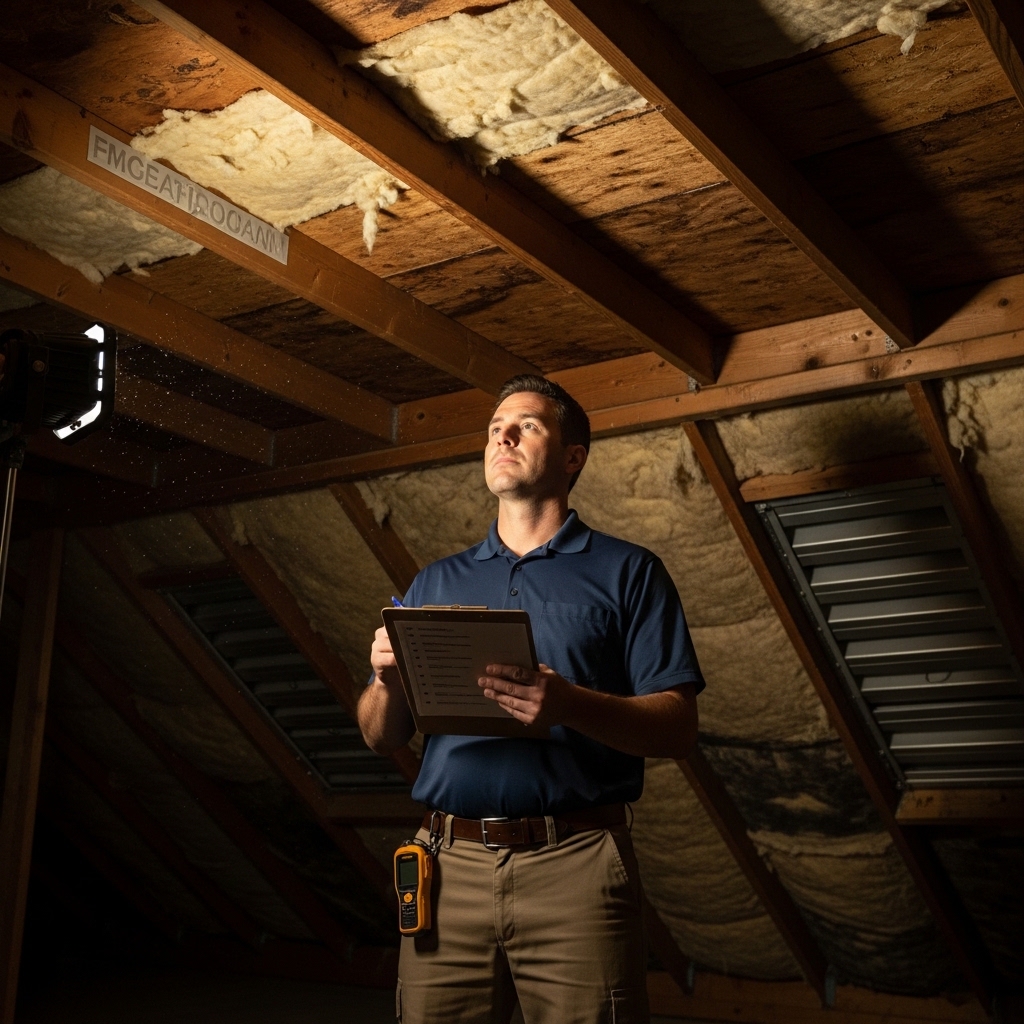
A meticulous mold inspection checklist helps Bloomfield, New Jersey homeowners address moisture and air quality with confidence. Whether you live in a historic colonial, a post-war cape, or a modern townhouse, your home’s materials, ventilation, and recent weather all shape how moisture behaves. The goal of an organized checklist is to make sure no critical area is missed and that every observation leads to a practical next step. If you are just starting out and want an example of a structured approach, consider beginning with a qualified mold inspection that blends building science with local experience, giving you a roadmap from discovery to prevention.
Pre-Inspection Planning
Any good inspection starts before the inspector arrives. Preparation saves time and ensures that the most important areas receive attention. A homeowner’s notes about odors, visible stains, or past leaks can direct the focus where it matters most. If you know certain rooms get humid or specific corners of the basement are damp after storms, write that down and share it. Clear access to attics, crawlspaces, and mechanical rooms so the inspection is thorough and not limited by clutter.
- List known water events and repairs, including roof, plumbing, and foundation work.
- Identify rooms where odors persist or symptoms worsen.
- Check that attic and crawlspace entries are accessible.
- Note the typical use of bathrooms, kitchens, laundry, and humidifiers.
- Gather documents related to renovations or previous moisture issues.
Exterior Checklist: Stop Moisture Before It Enters
The exterior is the first defense against water intrusion. A careful review can reveal issues that send moisture into walls and basements. In Bloomfield, heavy rains, falling leaves, and seasonal freeze-thaw cycles all stress building exteriors. Regular maintenance and inspection can head off interior problems before they start.
- Roof surfaces: Look for aging shingles, damaged flashing, or missing components at valleys and around chimneys and vents.
- Gutters and downspouts: Verify they are clear of debris, correctly pitched, and discharge away from the foundation.
- Grading: Ensure soil slopes away from the structure to redirect rainwater.
- Siding and trim: Check for gaps, cracks, or rot, especially near windows and doors.
- Foundation: Examine for visible cracks, efflorescence, or areas where water pools.
- Vegetation: Trim plants and trees that trap moisture against walls or clog gutters.
Interior Checklist: Track Moisture and Ventilation
Indoors, the focus is on high-humidity rooms and areas where plumbing runs. Inspectors combine visual observation with moisture meters and, when appropriate, thermal imaging to detect dampness behind surfaces. The aim is to confirm whether discoloration is historical or active and to map how moisture may travel through the building.
- Bathrooms: Test exhaust fans, confirm they vent outdoors, and inspect around showers, tubs, and sinks for leaks and soft materials.
- Kitchens: Review sink cabinets, dishwasher connections, and backsplashes. Evaluate range hoods for effective venting.
- Laundry rooms: Inspect washing machine hoses, floor drains, and dryer vent connections.
- Basements: Check walls and corners for staining or dampness, inspect sump pumps, and evaluate dehumidification needs.
- Attics: Look for signs of roof leaks, inadequate insulation, and blocked soffit or ridge vents.
- Living areas: Examine window sills, exterior walls, and around heating or cooling registers for condensation.
Moisture Mapping and Tools
Effective inspections rely on tools that quantify what the eye cannot see. Moisture meters detect elevated levels in drywall, baseboards, and framing. Thermal cameras help visualize temperature differences that may indicate wet insulation or leaks. Hygrometers track indoor humidity, helping to determine whether a room’s air supports mold growth. These instruments are most powerful when paired with a methodical checklist that ensures the inspector gathers data across all relevant zones.
HVAC and Ventilation Assessment
Ventilation moves humidity out of the building and keeps air fresh. In older Bloomfield homes, bath fans may be underpowered or improperly vented into attics, which can trap moisture. Kitchens should vent cooking steam outdoors rather than recirculating it. HVAC systems also play a role: condensate lines should be clear, ducts should be sealed, and air handlers must be maintained so moisture does not accumulate inside cabinets or drip pans.
- Verify bathroom fans reach outdoors and are used during and after showers.
- Check kitchen hoods for effective outdoor venting.
- Inspect attic ventilation patterns to prevent condensation and ice damming in winter.
- Evaluate condensate drains and drip pans for signs of overflow or algae growth.
- Look for duct leaks near unconditioned spaces that could pull humid air into the system.
Room-by-Room Priorities
Every home has its own risk profile. The following priorities help align your checklist with typical Bloomfield conditions and construction styles.
- Basements and crawlspaces: Address seepage, foundation cracks, and insufficient drainage. Use moisture mapping along wall bases and corners.
- Bathrooms: Consider caulk and grout maintenance, fan capacity, and the habit of letting fans run after showers.
- Kitchens: Focus on plumbing connections, backsplash integrity, and the condition of sink base cabinets.
- Attics: Pair roof assessments with insulation checks to reduce condensation and prevent ice dams.
- Living spaces: Track condensation patterns on windows during seasonal changes and note musty odors in closets or near exterior walls.
Interpreting Findings and Setting Priorities
When the inspection is complete, the most valuable outcome is a clear, prioritized action plan. This plan distinguishes between immediate moisture control steps and longer-term improvements. For example, a quick change might include extending downspouts or verifying that bathroom fans operate properly. A longer-term improvement could involve sealing penetrations, upgrading insulation, or improving attic ventilation pathways.
Mid-Process Checkpoint
If you are using this checklist to compare service providers, take a moment to refocus on the essentials: identify moisture, stop the source, and verify that the structure dries. A provider who aligns with these principles and communicates them clearly is likelier to deliver results that last. If you want a concrete example of such an approach, review a professional mold inspection process that emphasizes thorough diagnostics, documentation, and pragmatic solutions tailored to Bloomfield homes.
Documentation and Reporting
Good documentation transforms observations into a plan. Photos pinpoint locations of concern and serve as a baseline for future comparison. Moisture readings are recorded alongside room names and materials. The narrative should explain not just what was found, but why it matters and how to fix it. Look for reports that present recommendations in stages, helping you address the most impactful items immediately while planning for upgrades over time.
Preventive Practices for Bloomfield Homeowners
- Maintain gutters and downspouts seasonally to keep water away from the foundation.
- Use bathroom fans during and after showers; open windows when weather allows to promote cross-ventilation.
- Control indoor humidity with dehumidification as needed, especially in basements during humid months.
- Monitor exterior grading, especially after landscaping changes.
- Check caulk and seals around tubs, showers, and sinks, and repair promptly when gaps appear.
- Schedule seasonal HVAC maintenance to ensure proper drainage and airflow.
Frequently Asked Questions
Question: Do I need testing as part of my checklist? Answer: Not always. Many findings can be addressed through visual observation and moisture measurements. Testing is most useful when confirmation or documentation is required, or when odors and symptoms do not align with visible clues.
Question: How long does a checklist-based inspection take? Answer: Duration depends on property size, access to key areas, and complexity of suspected issues. The value is in methodical coverage and precise documentation rather than speed.
Question: What if I only see small spots? Answer: Small areas can indicate larger moisture patterns. A checklist ensures that you do not overlook hidden dampness or ventilation problems that need attention.
Question: How does the report help me act? Answer: A strong report translates data into prioritized steps, enabling you to address immediate risks and plan for long-term improvements. It also serves as a record for future maintenance and potential real estate transactions.
Question: Are certain Bloomfield homes more prone to moisture issues? Answer: Homes with older roofs, limited ventilation, or basements in low-lying areas may be more vulnerable. However, any home can develop problems if moisture is not managed thoughtfully.
Question: What should I prepare before the inspection? Answer: Provide access to attics, crawlspaces, and mechanical rooms; gather notes about odors, stains, and past leaks; and avoid masking smells so the assessment remains accurate.
Putting It All Together
With a comprehensive checklist, you turn a complex topic into a manageable plan. You learn where moisture originates, how it travels, and what to do about it in a logical sequence. An organized approach reduces uncertainty, protects finishes and furnishings, and supports a healthier indoor environment. The best inspections do not simply identify problems; they explain them and set you up for success.
Take the Next Step for Your Bloomfield Home
If you want clarity backed by methodical evaluation, connect with a local professional who understands Bloomfield’s homes and weather patterns. A well-executed inspection driven by a detailed checklist reveals moisture sources and points you toward practical solutions. When you are ready to move forward, schedule a thorough mold inspection and protect your home with confidence.