
Introduction
In Bloomfield, New Jersey, the combination of seasonal humidity, varied housing stock, and frequent freeze-thaw cycles makes building envelopes and interior finishes vulnerable to moisture. A comprehensive inspection and, when warranted, testing strategy helps homeowners, buyers, and property managers understand current conditions and plan effective interventions. If you are exploring options, start by reviewing established mold inspection services to understand how qualified professionals approach diagnostics, documentation, and reporting.
This guide explains the difference between inspection and testing, the tools used to locate hidden moisture, how sampling data is interpreted, and what to expect in the written report. You will also find tips for preparing your property, understanding the limitations of different methods, and translating recommendations into practical actions.
Inspection vs. Testing: What’s the Difference?
Inspection is the investigative process—interviewing occupants, reviewing the building’s history, observing conditions, and using meters and imaging to trace moisture. Testing refers to the collection of air, surface, or cavity samples for laboratory analysis. Not every inspection requires testing. Professionals recommend testing when data will influence decisions, documentation, or verification after remediation.
The Inspection Process
Expect a methodical approach designed to tie observations to moisture sources:
- History and goals: The visit begins with a discussion of concerns, water events, and your objectives.
- Exterior review: Drainage, grading, roof edges, windows, and penetrations are checked for water entry risks.
- Interior assessment: Bathrooms, kitchens, laundry rooms, basements, crawl spaces, and attics receive careful attention.
- Moisture mapping: Targeted measurements and thermal imaging identify hidden dampness.
- Decision on sampling: If indicated, samples are collected to clarify extent and type, and to support remediation planning or documentation.
- Debrief: Preliminary findings and next steps are shared, with a timeline for written reporting.
A strong inspection emphasizes source control because lasting solutions depend on eliminating the conditions that drive microbial growth.
Tools and Technologies
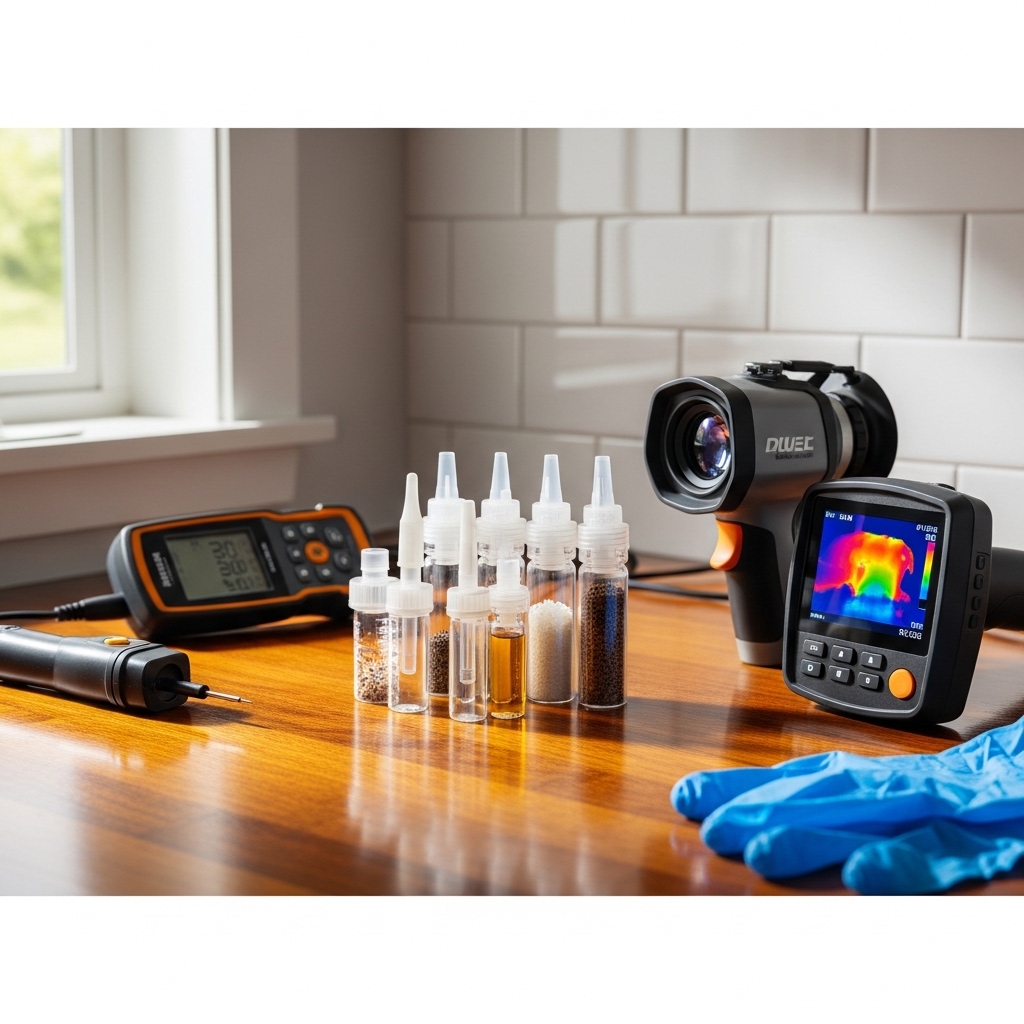
Professionals rely on calibrated instruments and proven methods to avoid guesswork:
- Pin and pinless moisture meters for precise readings in wood, drywall, and masonry.
- Thermal imaging cameras to visualize temperature patterns that can indicate hidden moisture.
- Hygrometers to assess interior humidity and temperature conditions.
- Borescopes for minimally invasive cavity observations when necessary.
- Sampling pumps and cassettes for air, surface, and cavity samples when data is required.
These tools, combined with experience, provide the most reliable picture of current conditions.
Sampling Methods and Their Uses
When testing is appropriate, the sampling method is selected to answer specific questions:
- Air sampling: Compares indoor and outdoor snapshots to understand relative levels and types present.
- Surface sampling: Confirms the nature of visible discoloration and guides remediation of specific materials.
- Wall-cavity sampling: Targets hidden spaces to avoid unnecessary demolition while still informing scope.
Each method produces different data. For example, air samples reflect a moment in time influenced by activity and air movement, while surface samples directly assess specific locations. The report should explain how each result informs decisions.
Reading the Laboratory Report
Lab reports can be technical, but your inspector should interpret them in plain language. Look for explanation of typical background spores, identification of damp-loving types, and how results correlate with site observations. The goal is to combine data and field findings into a cohesive narrative that makes next steps clear.
Preparing for the Visit
Preparation supports efficiency and thoroughness:
- Clear access to plumbing fixtures, mechanical rooms, attic hatches, and basement walls.
- Leave HVAC on normal settings; atypical changes can skew indoor air snapshots.
- List prior water events, roof repairs, window replacements, and bathroom renovations with dates if possible.
- Secure pets and move fragile items from areas under the attic hatch or in tight mechanical rooms.
These steps let the inspector focus on diagnostics and careful documentation.
Bloomfield-Specific Conditions
Bloomfield’s mix of early-20th-century homes and newer construction calls for adaptable strategies. Common risk factors include basement humidity in summer months, wind-driven rain entering around windows, attic ventilation imbalances that create seasonal condensation, and leaf-clogged gutters that push water toward foundations. A local-savvy inspector considers these patterns and prioritizes vulnerable areas accordingly.
Post-Inspection Planning
After receiving the report, organize actions in a sequence that addresses root causes first:
- Moisture source correction: Fix leaks, improve drainage, and optimize ventilation.
- Remediation scope: If needed, establish containment, selective removal of impacted materials, and surface cleaning methods.
- Verification: Use follow-up measurements or targeted sampling to confirm success.
- Prevention: Adopt maintenance and ventilation practices that keep conditions stable.
Following this order prevents recurrence and ensures value from your effort.
Mid-Course Review
As you refine your plan or compare providers, it can help to revisit established mold inspection services to confirm scope, reporting style, and verification options that match your needs and timeline.
Quality Indicators in a Professional Report
Not all reports are created equal. Use these indicators to gauge quality:
- Clear photographic evidence with labels and context.
- Specific moisture readings associated with locations and materials.
- Plain-language explanations of sampling results and their significance.
- Prioritized recommendations that emphasize moisture correction before removal and cleaning.
- Disclosure of limitations and inaccessible areas.
A report that informs decisions is worth its weight in clarity.
Working With Contractors
If remediation or repairs are needed, share the report with contractors and request written scopes that align with the recommendations. Ask how they will protect occupants and belongings, and how success will be verified. Detailed planning minimizes disruption and increases confidence in the result.
Prevention Strategies for Long-Term Resilience
Prevention is the most reliable way to maintain healthy interiors. Establish seasonal routines:
- Maintain gutters and downspouts and verify discharge away from the foundation.
- Operate bath and kitchen ventilation during use and for several minutes afterward.
- Monitor indoor humidity, particularly in basements and closed rooms.
- Inspect attics for signs of condensation or roof leaks after major storms.
- Address window and door air leaks that can lead to condensation.
Small, consistent actions reduce the risk of hidden moisture and microbial growth.
Frequently Asked Questions
Q: Do I always need testing?
A: No. Testing is recommended when results will influence decisions or documentation. Inspection alone often provides sufficient guidance for moisture correction and remediation planning.
Q: How long does the process take?
A: Many single-family homes can be inspected in a few hours; lab turnaround times vary if sampling is performed.
Q: Can I remain at home during the inspection?
A: Yes. The work is noninvasive, though the inspector will need access to attics, crawl spaces, and mechanical areas.
Q: What about older homes?
A: Older homes can have unique moisture pathways; experienced inspectors adjust strategies and tools to fit construction type and age.
Q: How do inspectors decide where to sample?
A: Sampling targets areas where results will change decisions—suspect rooms, adjacent spaces, or cavities with meter and imaging indications.
Q: Should the inspector also perform remediation?
A: Independent inspection helps avoid conflicts of interest. If one firm offers both, request transparency and verification protocols.
Q: What if my report mentions inaccessible areas?
A: Discuss options for limited access or targeted follow-up to address unknowns.
Q: When is follow-up verification needed?
A: After moisture corrections and remediation, especially when documentation is required for transactions or multi-tenant settings.
Schedule Your Bloomfield Inspection
Clarity starts with a disciplined assessment that ties observations to moisture sources and translates data into practical steps. Coordinate with a trusted provider of mold inspection services to book your Bloomfield visit, review sample reports, and align the scope and timeline with your goals.