
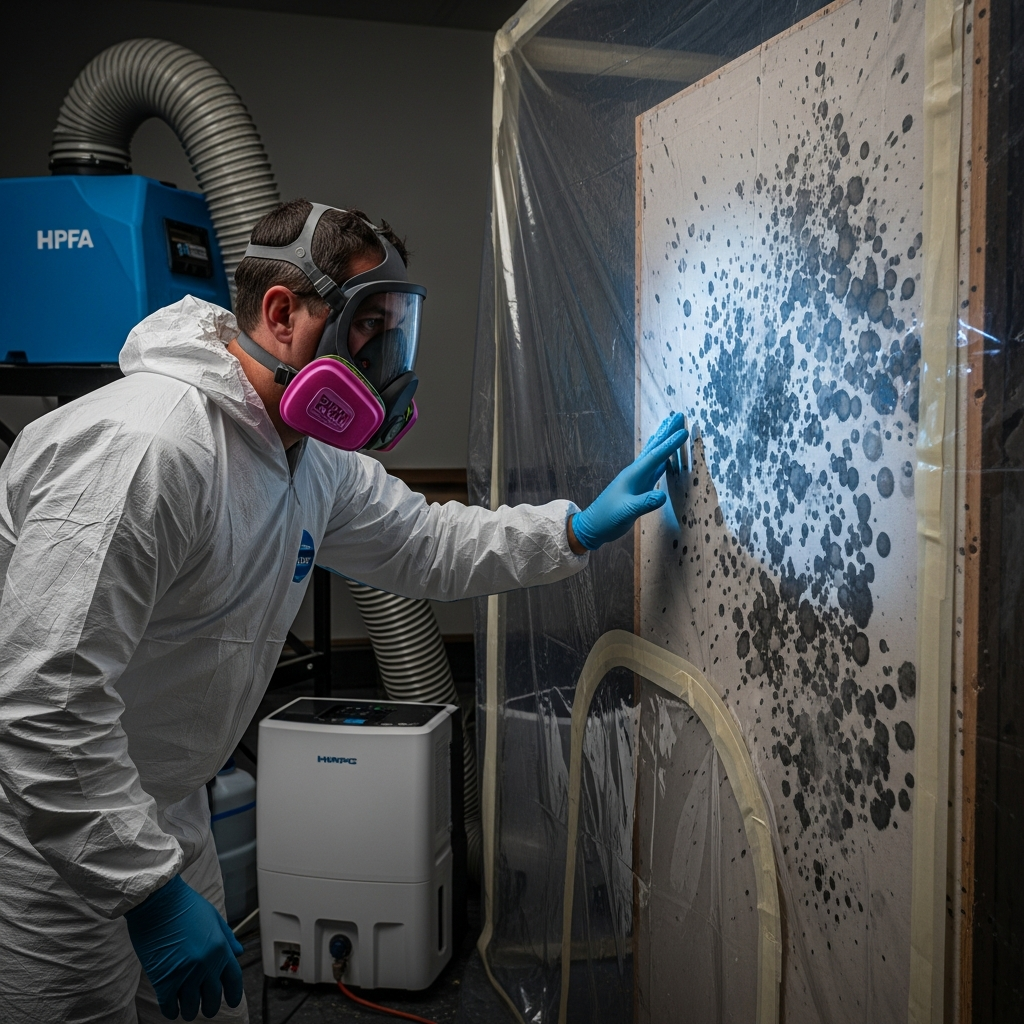
Black mold, often associated with Stachybotrys chartarum and other dark-hued species, is a sign of persistent moisture and a warning that your indoor environment needs immediate attention. In Bloomfield, New Jersey, common triggers include basement seepage after heavy rain, poorly vented bathrooms, condensation around older windows, and leaks from aging roofs or plumbing. This guide explains how to recognize, contain, remove, and prevent black mold with a safety-first approach tailored to local conditions. If you decide you want expert support at any point, consider contacting specialists in mold remediation to ensure a thorough, compliant cleanup.
While “black mold” has a reputation for being uniquely dangerous, the truth is that any indoor mold growth indicates an underlying moisture problem. The strategy for addressing black mold is the same as for other species: stop the moisture, protect people, remove impacted materials, and prevent return. The difference is that black mold is often associated with long-term dampness, which may mean more extensive damage and a larger scope of work.
Identifying Black Mold And Its Causes
Black mold can appear as dark staining, patchy clusters, or a slimy layer on cellulose-based materials such as drywall paper and unfinished wood. The color alone is not diagnostic, but it signals that careful inspection is needed. In Bloomfield’s climate, fluctuations in humidity can drive condensation behind furniture placed against exterior walls and along cooler concrete foundations, especially in basements.
- Typical locations: behind baseboards and drywall near floor slabs, around window frames, in bathrooms with inadequate ventilation, and beneath sinks or dishwashers.
- Common moisture sources: long-standing leaks, poor drainage, clogged gutters, foundation seepage, and steamy rooms without proper exhaust to the exterior.
- Common signs beyond staining: persistent musty odor, allergy-like symptoms that improve outdoors, and paint peeling or bubbling.
Safety First: Protecting Occupants And Workers
Before you disturb contaminated materials, plan your safety measures. The goal is to minimize exposure and prevent spreading spores to clean areas.
- PPE: Use a quality respirator (N95 or better), gloves, and eye protection. For extensive work, consider a half-face respirator with P100 cartridges and disposable coveralls.
- Containment: Isolate the work area with plastic sheeting. Seal HVAC registers and returns, and maintain negative pressure to limit cross-contamination when feasible.
- Handling waste: Double-bag debris in the containment before removal. Wipe down bags to remove dust before carrying them through living areas.
Step-By-Step Black Mold Remediation
- Stop the water: Identify and correct leaks or dampness. In basements, confirm gutters and downspouts are functioning and that grading directs water away from the home.
- Plan your containment: Close doors and isolate the area with plastic and tape. Create a controlled entry. Consider HEPA filtration or exhaust to the outdoors.
- Wear PPE: Respiratory, eye, and skin protection are essential from the moment you enter the contained zone until final cleanup is complete.
- Remove porous materials that cannot be cleaned: Black mold commonly colonizes drywall, paper-faced insulation, carpet pad, and some ceiling tiles. Cut out and bag materials carefully to minimize dust.
- Mechanical cleaning: HEPA vacuum surfaces to capture settled spores. Follow with damp wiping using a detergent solution on non-porous and semi-porous materials like framing, subfloor, and concrete.
- Dry thoroughly: Use dehumidification and balanced air movement to drop humidity and dry structural materials. Avoid blasting air directly at moldy surfaces during demolition to prevent aerosolization.
- Detail clean: Perform a second round of HEPA vacuuming and damp wiping. Check ledges, trim tops, window sills, and floor edges—areas where dust settles.
- Verify: After cleanup and drying, inspect for staining, dust, and odors. If problems persist, re-open the investigation for hidden moisture or concealed cavities.
- Rebuild with prevention in mind: Use moisture-resistant materials where appropriate and ensure bathrooms and kitchens vent to the exterior.
Special Considerations For Bloomfield Homes
Many Bloomfield houses have finished basements with carpeting, paneling, or drywall against foundation walls. These assemblies are vulnerable to hidden condensation and seepage. If you uncover black mold along the bottom edge of drywall or behind baseboards, consider removing a higher section than the visibly stained area to ensure you capture all affected material and allow thorough drying.
- Manage humidity: Keep relative humidity below about 50% using dehumidifiers during humid months.
- Improve airflow: Keep furniture a few inches off exterior walls and promote air movement in closets and corners.
- Upgrade ventilation: Install or upgrade bath fan timers, verify attic ventilation, and confirm dryer and range hood exhausts terminate outdoors.
Common Mistakes To Avoid
- Relying on bleach: Bleach can discolor stains but may not remove embedded growth or stop future problems. Mechanical cleaning and drying are essential.
- Skipping containment: Without isolation, you can spread spores to clean rooms, making the situation worse.
- Painting over the problem: Coatings do not fix moisture and may trap it. Always resolve water issues first.
- Undersizing dehumidification: Basements in Bloomfield often need robust dehumidification during shoulder seasons and summer.
When To Bring In Experts
If you are dealing with widespread growth, multiple rooms, or complicated construction, consider calling trained professionals. They bring specialized containment, HEPA filtration, and detailed cleaning methods that reduce risk and speed results. If health sensitivities are a concern, or if you suspect extensive hidden damage, professional mold remediation provides a structured, defensible process that prioritizes safety and thoroughness.
Frequently Asked Questions
Is black mold more dangerous than other mold? Any indoor mold growth is a concern. The key issue is exposure and moisture persistence. Treat black mold with the same safety diligence as other visible growth and focus on eliminating the moisture source.
Do I need lab testing? Testing is not always necessary to proceed with safe remediation. It can be useful for hidden issues, medical concerns, or verification by a third party after cleanup.
Can I keep belongings exposed to black mold? Hard, cleanable items may be HEPA vacuumed and wiped. Soft, porous items with heavy colonization are often discarded to prevent ongoing odor and exposure.
How do I control moisture long-term? Maintain gutters, downspouts, and grading; ventilate bathrooms and kitchens to the exterior; and keep indoor humidity in check with dehumidifiers during humid seasons.
Is it safe to live in the home during remediation? With proper containment and ventilation, limited projects can be handled while living in the home. For larger efforts, reduce occupancy in affected zones or schedule work when you can be away from the immediate area.
Your Next Steps
Black mold signals a moisture problem you can solve with a methodical approach: stop the water, isolate the workspace, remove damaged materials, clean thoroughly, and keep humidity down. If you want experienced help to move quickly and safely, connect with a local team skilled in comprehensive mold remediation. Acting now protects your health, your investment, and your peace of mind.