
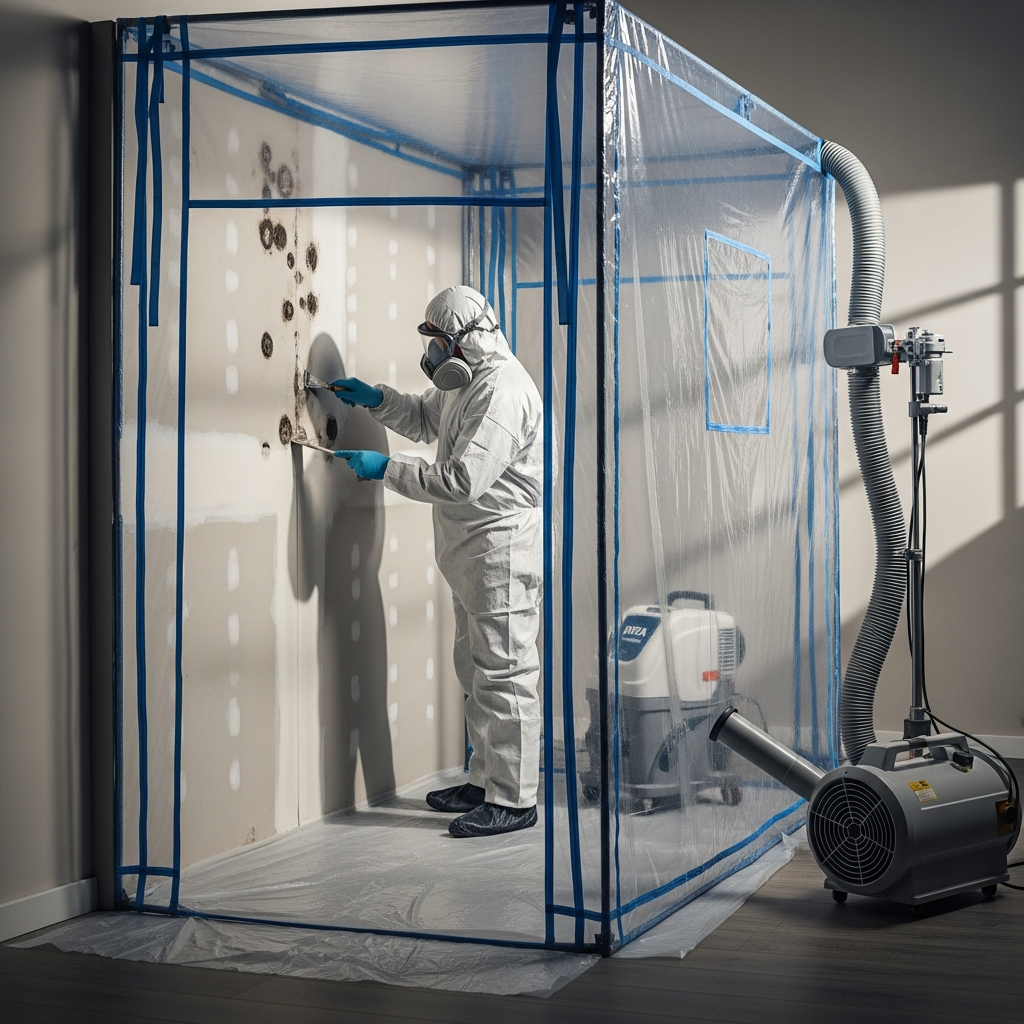
Finding suspected black mold in a Bloomfield, New Jersey property can be alarming, especially when it appears after a basement flood, roof leak, or weeks of persistent humidity. While the term “black mold” often refers to Stachybotrys chartarum, many molds appear dark when growing on certain materials. Regardless of species, visible mold plus moisture calls for swift, careful action. This guide explains how to approach black mold concerns safely and effectively, how professionals manage risk, and what prevention looks like in homes across Bloomfield. If you prefer not to take chances, many homeowners begin with a call to experienced mold removal services that follow disciplined remediation procedures.
Understanding Black Mold in the Bloomfield Context
Bloomfield’s housing includes finished basements, older bathrooms, and attics with complex ventilation. These spaces are prone to moisture that can support dark mold growth. Leaks that go unnoticed for weeks, or chronic condensation around windows and pipes, allow mold to colonize drywall, wood, and insulation. The safest approach is not to rely solely on color, but to treat any mold with respect and focus on moisture control and proper cleanup.
Safety and Initial Containment
- Avoid disturbing the area until a plan is in place. Airflow and aggressive cleaning without controls can spread spores.
- Limit access to the affected room. Keep pets and sensitive individuals away.
- If the area is small and on a hard, non-porous surface, minimal, careful cleaning may be possible, but widespread growth or porous materials typically require professional handling.
Professional Remediation Steps You Should Expect
- Assessment: Inspect all nearby spaces to determine the full extent of moisture and growth.
- Containment: Create physical barriers and establish negative air pressure to prevent spread.
- Removal: Take out affected porous materials that cannot be reliably cleaned.
- Cleaning: HEPA vacuum and clean remaining surfaces, repeating as necessary.
- Drying: Use dehumidifiers and air movers to reach dry standards.
- Verification: Confirm dryness and cleanliness before removing containment.
These steps are designed to manage risk pragmatically. Mold cleanup that overlooks containment or skips drying often leads to recurrence. In the middle of a project, a reputable team may adjust the scope if they uncover hidden dampness in adjacent rooms or behind trim, which is common in basements and bathrooms.
If you are researching on your own while scheduling help, it can be useful to consult a trusted reference that explains the difference between stain removal and true remediation, the role of negative pressure, and when material replacement is necessary. Many Bloomfield owners rely on professional mold removal guides to understand these nuances and set expectations.
Areas of Special Attention in Bloomfield Homes
- Basement Corners and Sill Plates: These are common moisture traps, especially after heavy rains.
- Attic Roof Sheathing: Wintertime condensation on cold sheathing can support dark staining; ventilation balance is critical.
- Bathrooms and Laundry Rooms: Steam and poor exhaust create persistent humidity where mold thrives.
- Window Sashes and Frames: Condensation in winter can help mold establish on wood and caulk.
Prevention: Practical Steps That Work
- Maintain indoor humidity between 30 and 50 percent with dehumidifiers as needed.
- Vent moisture outdoors from bathrooms, kitchens, and dryers.
- Repair plumbing drips immediately and monitor for dampness after storms.
- Keep gutters clear and ensure downspouts discharge away from the foundation.
- Balance attic ventilation and seal bypasses to reduce condensation.
Frequently Asked Questions
Do I need to test to know if it is “black mold”? Testing can identify species, but color alone does not determine risk or the need for remediation. The priority is to control moisture and remove contaminated materials safely.
Can I clean black mold myself? Small, hard-surface spots may be handled carefully, but widespread growth, porous materials, or hidden moisture call for professional protocols with containment and filtration.
Will mold come back after remediation? Not if moisture is controlled and the area is thoroughly dried and cleaned. Prevention measures are essential.
Is painting over dark stains acceptable? Paint is not a substitute for remediation. Only after proper drying and cleaning should finishing occur, and only on clean, dry substrates.
How long does remediation take? Timelines vary with scope, materials, and drying conditions. Many projects span several days to allow for safe removal and controlled drying.
Protect Your Property with the Right Next Step
If you suspect black mold or have ongoing moisture issues, do not wait for conditions to worsen. Choose experienced professionals who prioritize containment, moisture control, and verification. For prompt, knowledgeable assistance, reach out to trusted mold removal specialists and take decisive action to protect your property.