Introduction: Fast Action Matters in Bloomfield, New Jersey
When moisture sneaks into a home or business in Bloomfield, New Jersey, mold can begin to grow quickly—sometimes in as little as 24 to 48 hours. In an emergency, you need reliable, local help that prioritizes safety, containment, and swift restoration. That is exactly why residents and property managers search for trusted mold mitigation services that can respond rapidly, communicate clearly, and protect both the building and the people inside. This guide explains what to do the moment you suspect a mold emergency, what professional teams actually do on site, how they protect your belongings and structure, and how to prevent future outbreaks in Bloomfield’s changing climate.
What Constitutes a Mold Emergency?
A mold emergency is any event in which mold is actively spreading, moisture is ongoing, or health and structural risks are growing by the hour. Common examples include sudden plumbing failures, roof leaks during heavy rain, flooded basements after storm surges, or an HVAC malfunction that spreads spores throughout a property. If you smell a strong musty odor, see visible growth on walls, ceilings, or baseboards, or notice occupants experiencing aggravated allergy or respiratory symptoms, treat the situation as urgent. Mold thrives in humid environments; Bloomfield’s seasonal humidity combined with aging housing stock and complex building assemblies can accelerate colonization, making fast response particularly critical.
Health and Safety: Immediate Priorities
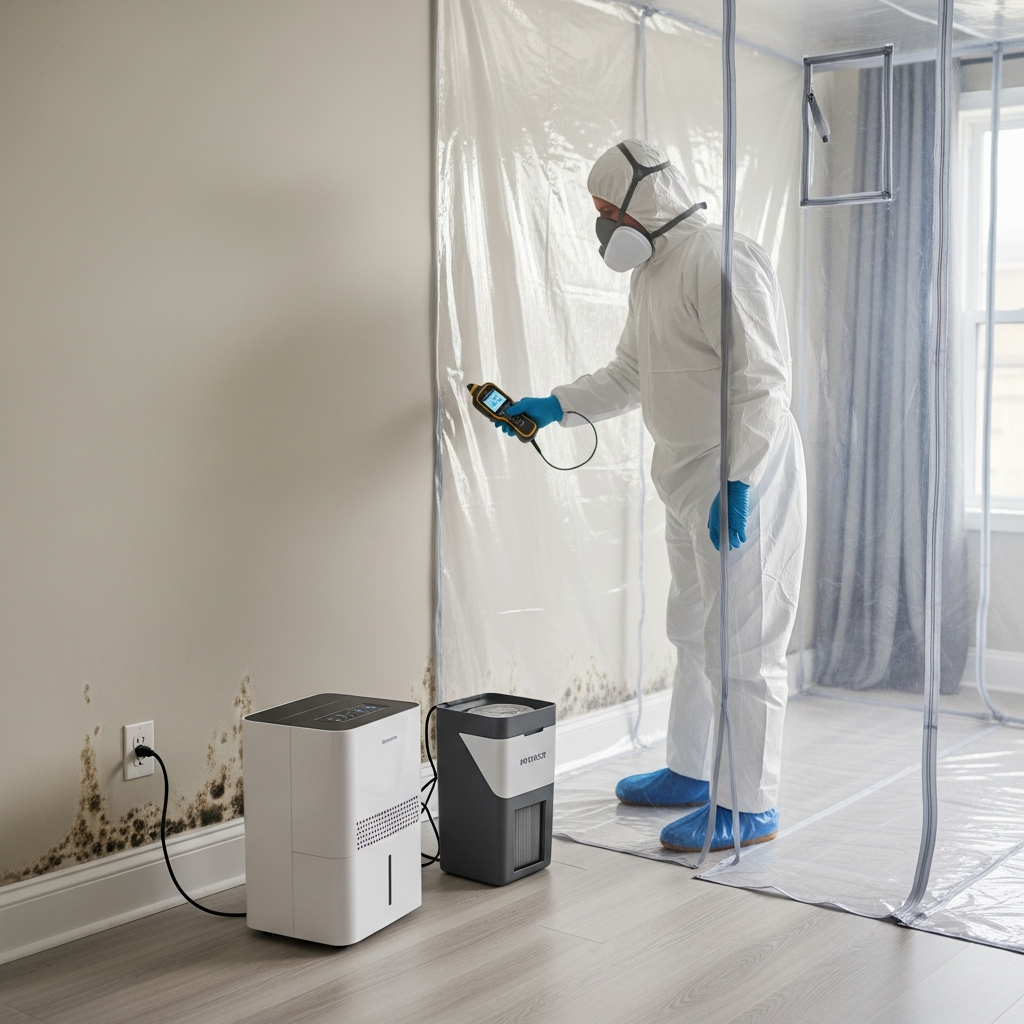
Health always comes first. Prolonged exposure to mold can irritate the respiratory system and exacerbate symptoms for people with asthma, allergies, or compromised immune systems. Children, seniors, and those with existing respiratory conditions are especially vulnerable. In an emergency, limit access to affected rooms, avoid disturbing visible mold, and do not run fans that could circulate spores. Professionals will arrive with protective gear, deploy containment barriers, and use negative air machines with HEPA filtration to reduce the spread of particulates while work is ongoing. These measures protect technicians and building occupants alike.
First Steps You Can Take Before Pros Arrive
- Shut down water to leaking plumbing and blot or extract standing water if it is safe to do so.
- Turn off HVAC systems serving contaminated zones to reduce cross-contamination.
- Isolate the area by closing doors; avoid opening windows if outdoor humidity is high.
- Do not attempt to bleach or scrub colonies—this can aerosolize spores and push growth deeper into porous materials.
- Gather essential documents and valuables from unaffected rooms and keep them in a dry, clean space.
- Document what you see with photos or videos; this supports communication with professionals and insurers later.
How Emergency Mold Mitigation Differs from Routine Service
Emergency response focuses on stabilizing the situation. The first objective is stopping moisture at its source. Next comes containment—establishing physical barriers and controlled airflow to prevent spread. Then, professionals conduct targeted removal of unsafe, unsalvageable materials and begin specialized cleaning protocols. Emergency mitigation puts speed and risk reduction at the forefront while still maintaining precise documentation and safety standards. Once the environment is stable and humidity is controlled, restoration and rebuilding can begin.
The Professional Process: What to Expect On Site
- Rapid Assessment: Technicians survey the property, gauge moisture levels in building materials, and identify the moisture source. They prioritize rooms with visible growth, high humidity, or vulnerable occupants.
- Containment and Air Control: Teams install plastic barriers with zipper doors, seal vents, and deploy negative air machines with HEPA filters to capture airborne spores and maintain directional airflow out of the work zone.
- Source Control: They repair or coordinate repair of leaks, evaluate roof and exterior penetrations, and address drainage issues that are feeding the outbreak. Without source control, remediation will not hold.
- Removal of Affected Materials: Porous materials like saturated drywall, carpet padding, certain insulation, and warped baseboards often require removal. Non-porous and semi-porous materials are cleaned and decontaminated with industry-standard methods.
- HEPA Vacuuming and Detail Cleaning: Surfaces inside containment are meticulously vacuumed with HEPA equipment, then wiped with appropriate antimicrobial techniques to reduce viable spores and fragments.
- Drying and Dehumidification: High-capacity dehumidifiers and air movers are arranged to achieve target moisture readings for structural materials. Continuous monitoring ensures progress is steady and documented.
- Post-Mitigation Verification: Technicians validate dryness and cleanliness, remove containments when safe, and provide recommendations for restoration and prevention.
Working with Local Teams in Bloomfield
Local knowledge matters. Bloomfield’s typical challenges include older basements, masonry walls, seasonal groundwater fluctuations, and sudden summer storms. Experienced local professionals understand these patterns and know how to stabilize structures rapidly while coordinating with plumbers, roofers, and HVAC specialists. Communication is key: expect clear updates about containment boundaries, daily drying goals, and when it is safe to re-enter specific rooms. Mid-project adjustments are common as hidden cavities are opened and additional moisture sources are discovered. A transparent partner keeps you informed and confident throughout.
Middle Essentials: Containment, Air Quality, and Documentation
Containment is the linchpin of effective emergency mitigation. By using sealed barriers, pressure differentials, and HEPA filtration, technicians curb cross-contamination to unaffected rooms and protect occupants. Continuous air filtration also improves indoor air quality during and after removal. Equally important is documentation—moisture maps, photo logs, and drying records build a timeline that supports decision-making and future maintenance. If you need dependable help mid-crisis, look for experienced providers of mold mitigation services that can share clear reports, explain results plainly, and advise on preventive improvements for ventilation, drainage, and insulation.
Salvage Versus Discard: Making Smart Choices Under Pressure
During an emergency, deciding what to keep or discard can be stressful. Porous items that were soaked for extended periods are usually best discarded to prevent lingering contamination. Semi-porous items may be cleaned if exposure was brief and moisture did not penetrate deeply. Non-porous materials are often recoverable with thorough decontamination. Technicians will explain why certain choices are recommended, balancing health protection, building science, and feasibility.
Preventing Recurrence After an Emergency
- Control Humidity: Keep indoor relative humidity between 30% and 50% with mechanical dehumidification where necessary, especially in basements and crawlspaces.
- Improve Drainage: Extend downspouts, grade soil to slope away from foundations, and maintain gutters to channel stormwater properly.
- Air Seal and Insulate: Reduce condensation risks by air sealing rim joists, insulating cold surfaces, and addressing thermal bridges.
- Ventilate: Use bathroom and kitchen exhaust fans ducted outdoors; consider balanced ventilation strategies in tighter homes.
- Maintain HVAC: Replace filters on schedule and have systems inspected to ensure proper airflow and condensate management.
- Monitor: Keep a hygrometer in lower levels, check for musty odors after heavy rains, and schedule periodic inspections in areas with chronic dampness.
Protecting Sensitive Occupants During and After Work
When infants, elderly occupants, or individuals with respiratory conditions live in the home, professionals may recommend temporary relocation from the most affected zones until containment is in place. They will also suggest reentry only after specific air changes and cleaning milestones are met. After completion, enhanced housekeeping in nearby rooms—vacuuming with HEPA-equipped units and damp dusting—can help remove residual settled particles. Good communication ensures everyone understands when areas are considered safe.
Coordinating with Building Stakeholders
For multi-family buildings, condo associations, or commercial spaces, coordinating mitigation steps with property managers and tenants reduces confusion and downtime. Posting clear notices at entry points, explaining containment boundaries, and setting expectations for noise and access windows improves cooperation. Technicians can provide summaries that help stakeholders understand progress and the projected timeline, even as conditions evolve and hidden damage is uncovered.
Frequently Asked Questions
Q: How quickly should I call for help after discovering mold in Bloomfield? A: Contact a professional immediately, especially if moisture is active. The sooner containment and drying begin, the more of your structure and contents can be preserved.
Q: Can I clean up mold myself during an emergency? A: It depends on the size and complexity. Small, localized patches may be manageable for some property owners, but widespread growth, contaminated HVAC, or significant water intrusion calls for professional mitigation to ensure safety and prevent spread.
Q: How long does emergency mold mitigation take? A: Timelines vary by building size, contamination extent, and moisture severity. Rapid containment can begin immediately, while drying and verification typically require several days or more.
Q: Will mitigation disrupt daily life? A: Containment, equipment noise, and restricted access to some rooms are common. Teams will plan access routes and schedules to minimize disruption while prioritizing health and safety.
Q: What if mold returns after mitigation? A: Recurrence indicates that moisture control needs further attention. Professionals can reassess building assemblies, ventilation, and drainage to address underlying drivers and reinforce preventive measures.
Community Resilience and Preparedness
Bloomfield faces seasonal storms, freeze-thaw cycles, and humid summers. Being prepared—knowing shutoff valves, inspecting gutters, and monitoring basement humidity—can turn a potential emergency into a manageable event. Keep an emergency response plan, including contact information for a trusted mitigation company, and conduct periodic walk-throughs to spot early warning signs like peeling paint, efflorescence, or persistent damp scents.
Next Steps: Get Reliable, Local Help Now
If you are facing a mold emergency right now—or want to be prepared before the next storm—reach out to a dependable local team that can stabilize your property and protect the health of everyone inside. Connect with experienced mold mitigation services to secure rapid assessment, containment, and drying, then restore your space with confidence. Taking action today helps ensure your home or business in Bloomfield, New Jersey remains safe, clean, and resilient for the long term.