
Introduction: A Homeowner’s Checklist for Mold Mitigation in Bloomfield
Homes in Bloomfield, New Jersey experience a wide range of weather—from humid summers to cold, wet winters—that can challenge even the most diligent homeowners. Mold thrives where moisture lingers, so having a thorough, practical checklist helps you respond quickly and effectively. Whether you are dealing with a small patch in a bathroom or a broader issue after a storm, this guide offers step-by-step direction for assessment, containment, cleanup, and prevention. For complex or fast-moving problems, reach out early to trusted mold mitigation services that can mobilize quickly and protect your family and belongings.
Part 1: Initial Assessment and Safety
- Identify Red Flags: Musty odors, discoloration on drywall or ceilings, warping baseboards, peeling paint, or visible fuzzy growth indicate active moisture problems.
- Check Moisture Sources: Inspect beneath sinks, around toilets, near appliances, and along basement walls. Look for condensation on cold surfaces and water stains after storms.
- Gauge the Extent: Determine whether growth is localized to a small area or appears in multiple rooms, closets, or behind furniture where airflow is limited.
- Consider Health Needs: If anyone in the home has asthma, allergies, or is immune-compromised, limit access to affected rooms and consider professional help promptly.
- Document Conditions: Take photos or videos of affected areas and note humidity levels with a hygrometer if you have one. Documentation supports clear communication with professionals.
Part 2: Immediate Containment Steps
- Limit Disturbance: Avoid aggressive scrubbing or demolition that could aerosolize spores.
- Close Doors and Vents: Keep contaminated rooms isolated and switch off central HVAC serving the affected zone to reduce cross-contamination.
- Set Up Temporary Barriers: If possible, create simple plastic barriers at room entries to restrict airflow and movement.
- Use HEPA Filtration: Run a HEPA air purifier in adjacent rooms to capture stray particulates while awaiting professional evaluation.
- Protect Belongings: Move clean, dry items from affected rooms to a safe area to prevent exposure.
Part 3: When to Call a Professional
Consider professional assistance when growth covers a wide area, when you suspect contamination in HVAC systems, when water intrusion is ongoing, or when sensitive occupants live in the home. Professionals bring negative air machines, HEPA vacuums, moisture meters, and building science expertise to stabilize conditions safely. They also provide documentation and guidance to help prevent recurrence, making them invaluable partners for long-term home health.
Part 4: Professional Process Overview
- Inspection and Moisture Mapping: Technicians identify hidden damp cavities, measure moisture in structural components, and form a strategy that prioritizes safety and containment.
- Containment and Negative Air: Sealed barriers and specialized equipment control particle movement and protect clean areas of the home.
- Material Removal and Cleaning: Porous materials that cannot be salvaged are removed; remaining surfaces are HEPA vacuumed and detail-cleaned.
- Drying and Monitoring: Dehumidifiers and air movers bring materials to target moisture levels. Technicians track progress and adjust equipment as needed.
- Post-Mitigation Guidance: Teams provide preventive recommendations on ventilation, insulation, and maintenance tailored to your home’s conditions.
Part 5: The Homeowner’s Detailed Checklist
- Know Your Shutoffs: Locate the main water valve and appliance supply valves; label them for quick action during leaks.
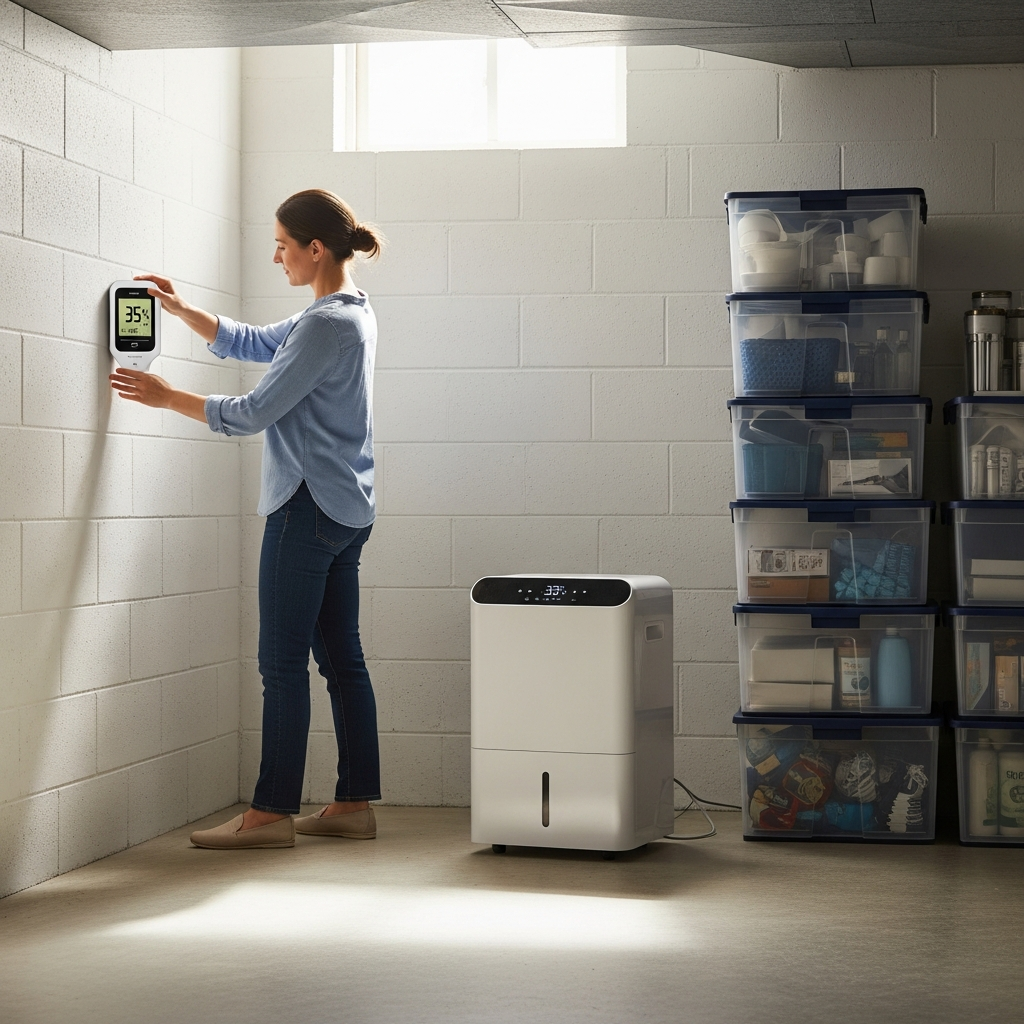
- Track Humidity: Keep a hygrometer on each level, especially the basement. Aim for a healthy indoor range by using dehumidifiers in warm months.
- Audit Ventilation: Ensure bathroom and kitchen fans are vented outdoors and operate them during and after moisture-generating activities.
- Inspect Gutters and Downspouts: Clean debris, verify downspouts discharge away from the foundation, and check grading slopes.
- Seal and Insulate: Address rim joists, attic penetrations, and cold surfaces that encourage condensation.
- Check Appliances: Inspect washing machine hoses, refrigerator lines, and water heaters for slow leaks.
- Observe After Storms: Walk the perimeter, look for water pooling, and check interior walls and ceilings for new stains.
- Maintain HVAC: Replace filters regularly and ensure condensate lines are clear and draining properly.
- Declutter Damp Zones: Keep storage off basement floors and away from exterior walls to improve airflow.
- Schedule Regular Walk-Throughs: Monthly checks help you catch small problems before they become big ones.
Part 6: Room-by-Room Tips
- Basement: Use a dedicated dehumidifier, seal foundation cracks as recommended, and store items in plastic bins on shelves.
- Bathrooms: Run exhaust fans during showers and for 20 minutes afterward, squeegee walls and doors, and address caulking gaps.
- Kitchen: Vent cooking moisture outdoors and inspect under-sink cabinets for dampness or soft particleboard.
- Bedrooms: Keep furniture a few inches from exterior walls to promote air circulation and reduce condensation risk.
- Attic: Check for roof leaks, ensure soffit and ridge vents are unobstructed, and verify that bathroom fans are not venting into the attic.
Middle Focus: Communication and Documentation
Clear communication makes mitigation more effective. Keep a simple log of what you observe—musty odors, humidity readings, and when equipment runs. When professionals are involved, request a copy of moisture maps, drying logs, and recommendations so you can maintain improvements over time. If you need expert help midstream, reach out to dependable mold mitigation services that provide thorough documentation and practical prevention plans tailored to Bloomfield’s climate.
Part 7: Salvage Strategies for Belongings
- Hard Goods: Non-porous items like glass, metal, and some plastics can often be cleaned with appropriate methods.
- Soft Goods: Porous items such as damp cardboard or long-exposed fabrics may be safer to discard to prevent lingering contamination.
- Electronics and Books: Evaluate with caution; seek specialized guidance if items are valuable or irreplaceable.
- Furniture: Solid wood may be cleanable; particleboard swollen from moisture is usually compromised.
Part 8: Verification and Moving Forward
Before dismantling containment or reoccupying previously affected rooms, confirmation matters. Ensure target moisture levels have been reached, surfaces are clean, and normal odors have returned. Restore finishes thoughtfully, sealing and insulating where needed to avoid recreating the same conditions. Continue monitoring indoor humidity and schedule seasonal maintenance so improvements hold through Bloomfield’s weather shifts.
Frequently Asked Questions
Q: How quickly can mold develop after a leak? A: Growth can begin within 24 to 48 hours under favorable conditions, which is why fast action and moisture control are essential.
Q: Should I run my central HVAC during mitigation? A: In most cases, keep systems serving contaminated rooms off to avoid spreading particles; professionals will advise when it is safe to resume normal operation.
Q: Can I paint over stained drywall once it is dry? A: Paint is not a fix for underlying contamination. Damaged drywall may require replacement, and any painting should follow proper drying and surface preparation.
Q: What humidity level should I target in my basement? A: Aim for a healthy range using dehumidification; consistent tracking helps you prevent condensation and surface growth.
Q: How do I prevent mold in closets? A: Improve airflow by reducing clutter, allowing space between items and walls, and addressing any exterior wall condensation with insulation and air sealing.
Your Next Step for a Healthier Home
If you are facing a moisture issue or want a proactive plan, connect with experienced mold mitigation services that can assess, contain, and guide you through prevention tailored to Bloomfield, New Jersey. With a clear checklist and the right support, your home can stay healthy and comfortable season after season.