Essential Mold Removal Tips for Bloomfield, New Jersey Homes
Between leafy streets, older housing, and humid summers, Bloomfield homes face a steady risk of indoor mold. A few smart strategies can make the difference between a quick cleanup and a repeating problem that sours indoor air quality. This guide delivers practical, field-tested tips tailored to North Jersey’s weather, drainage, and building styles so you can act quickly, clean safely, and keep mold from coming back.
If you’re staring at dark speckles on bathroom caulk, a fuzzy patch behind a washer, or a damp basement wall, don’t panic—focus on moisture, dust control, and measured action. For situations that are too large or complex to tackle alone, professional mold removal is available to protect your home and speed up recovery.
Tip 1: Attack Moisture at Its Source
Every mold issue starts with moisture. Find it, stop it, and control it going forward. Outdoors, ensure gutters are clear and downspouts move water well away from your foundation. Check that landscaping slopes away from the house. Indoors, fix plumbing leaks promptly, run bathroom and kitchen exhaust fans, and keep relative humidity under 50%, particularly in summer.
- Verify exhaust fans actually discharge outdoors, not into the attic.
- Set dehumidifiers to 45–50% RH in basements and first floors during humid months.
- Insulate cold water pipes to limit condensation drips.
Tip 2: Contain and Protect Before You Clean
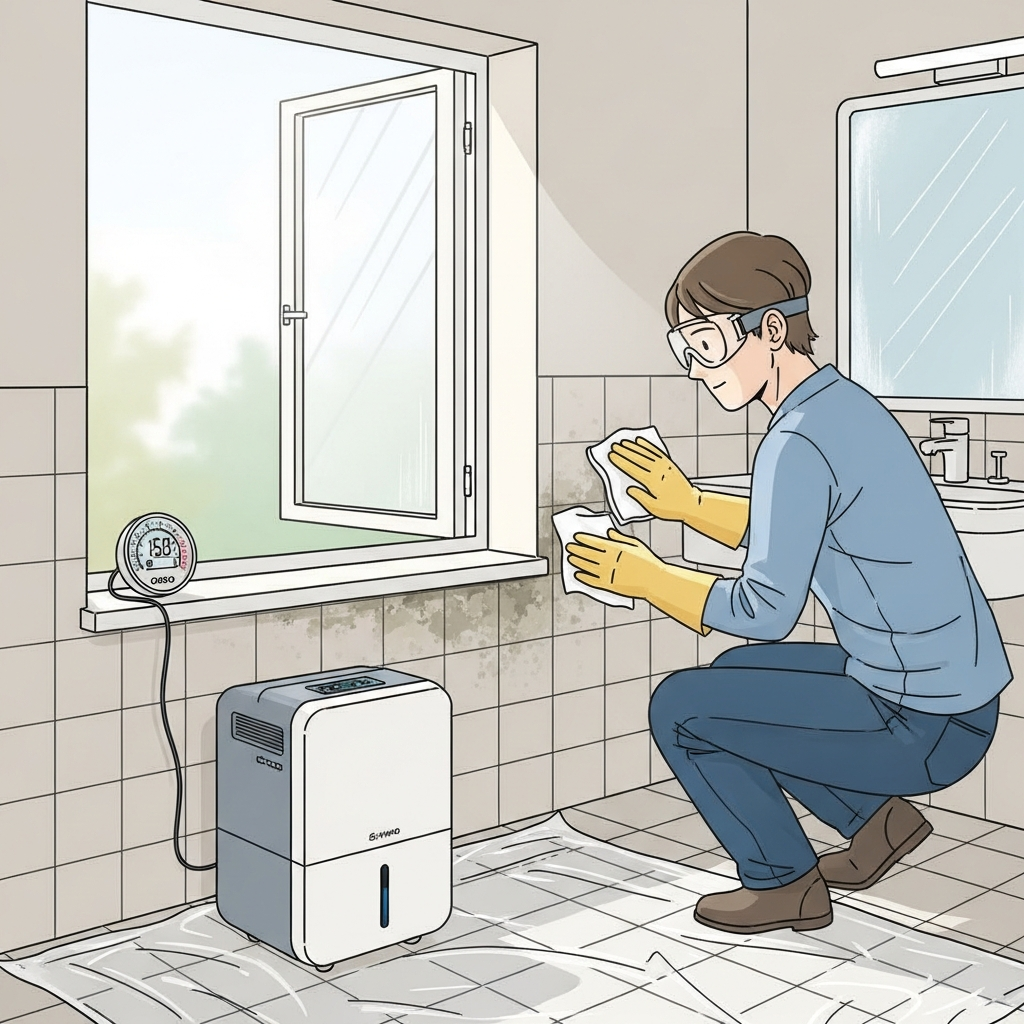
Disturbing mold can release spores, fragments, and musty odors. Close doors, tape plastic over openings, and cover HVAC supply and return vents in the work zone. Wear an N95 or a respirator with P100 filters, gloves, and eye protection. Keep children, older adults, and pets out of the area until cleaning and drying are complete.
Tip 3: Choose the Right Cleaning Method
For nonporous and semi-porous surfaces (tile, sealed concrete, framing), mechanical cleaning with detergent and agitation is your foundation. For porous items (drywall, carpet pad, ceiling tiles) that are colonized, removal and disposal are often the correct route. Avoid over-wetting; light application and thorough wiping limit spread and speed drying.
- Pre-vacuum with a HEPA machine to capture loose particles.
- Scrub with detergent on durable surfaces; wipe gently on finishes like painted drywall.
- Rinse lightly, then dry to under 50% RH with airflow and dehumidification.
Tip 4: Focus on Attics, Basements, and Bathrooms
These areas are frequent culprits in Bloomfield. Attics collect condensation when bathroom fans dump moist air into the roof space or when insulation is thin and air leaks are common. Basements absorb soil moisture and flood during heavy rains. Bathrooms generate steam daily. Clean thoroughly, but pair cleanup with ventilation and moisture control upgrades so results last.
- Attics: Re-route bath fans outdoors, clear soffit vents, add ridge ventilation, and air-seal ceiling penetrations.
- Basements: Maintain gutters, extend downspouts, seal major foundation cracks, and deploy a dehumidifier.
- Bathrooms: Upgrade to a quiet fan with sufficient CFM and run it during and after showers.
Tip 5: Keep the HVAC System from Spreading Spores
Turn off central air or heat serving the work zone to keep spores from traveling through ducts. Replace clogged filters, and consider higher MERV ratings if your system allows. Clean or replace suspect flex duct in areas with confirmed growth, and address condensate line clogs that drip into closets or mechanical rooms.
Tip 6: Know When to Call for Backup
DIY can handle small, well-defined issues. But widespread growth, hidden moisture, recurring mold, or contamination inside wall or ceiling cavities calls for professional help. Specialists can establish full containment, apply negative pressure, remove contaminated materials, and verify dryness with professional meters and protocols. When you need escalation, seek out experienced mold remediation to resolve root causes and confirm results.
Tip 7: Clean Methodically and Verify Dryness
Work top to bottom, clean-to-dirty. HEPA vacuum first, then wash, rinse, dry, and HEPA vacuum again after dust settles. Track progress with a moisture meter and hygrometer, comparing suspect materials with known-dry areas. Don’t rebuild until numbers are back to baseline and odors are gone.
- Set containment and shut down HVAC to the zone.
- HEPA vacuum all surfaces, including window sills, baseboards, and floors.
- Remove porous items that are colonized and bag them before leaving containment.
- Wash durable surfaces with detergent and agitation.
- Rinse lightly and dry aggressively with airflow and dehumidification.
- HEPA vacuum again after drying.
- Prime and paint or encapsulate staining on clean, dry, sound wood if desired.
- Rebuild with moisture-smart materials and sealants.
Tip 8: Prevent the Next Outbreak
Prevention isn’t just one fix; it’s a set of habits and upgrades that keep moisture at bay. Start outside and move inward.
- Roof, flashing, and gutter inspections each season
- Downspout extensions and positive grading around the house
- Weatherstripping and air sealing to reduce warm, moist air leaks
- Bath and kitchen fans vented outdoors with timer controls
- Routine dehumidifier maintenance and condensate drains kept clear
- Sill pans under new windows and proper caulking at penetrations
- Mold-resistant drywall and tile backers in wet rooms
Tip 9: Protect Belongings During and After Cleanup
Porous belongings like books, cardboard, and certain fabrics can harbor odors and spores if they get damp. During cleanup, relocate valuables out of the work zone, and store them in dry, ventilated areas. After cleanup, avoid pushing furniture tight against exterior walls where condensation sometimes forms in winter.
Tip 10: Documentation Helps
Take before-and-after photos, jot down moisture readings, and note the steps you followed. Documentation helps you stay organized, supports real estate transactions down the road, and gives professionals a head start if you need assistance later.
Frequently Asked Questions
What size problem can I handle myself? Many homeowners can safely address small, surface-level issues when the moisture source is known and controlled. If multiple rooms are involved, if growth keeps returning, or if the HVAC system is implicated, bring in experts.
Do I need to test the air? Visible growth and known moisture problems justify action. Testing may be useful in special cases, but routine cleanup and moisture control are the priority.
How long does drying take? With good airflow and dehumidification, surfaces can often dry within a few days. Structural materials may need longer. Verify with a moisture meter rather than guessing.
Can I save moldy carpet? If only slightly affected and quickly dried, hard-surface cleaning may help. However, padding and carpet with visible growth are commonly removed to prevent odor and recurrence.
Is it safe to clean during winter? Yes, but watch for condensation on cold surfaces. Use targeted heat and dehumidification to keep RH in check, and ventilate work areas to the outdoors when possible.
What about attic mold that keeps returning? Recurring attic growth usually signals ventilation or air-leak issues. Correct bath fan venting, clear soffits, and improve insulation and air sealing at the ceiling plane before cleaning.
Which cleaner works best? The best approach is mechanical cleaning with detergent and thorough drying. Avoid harsh chemicals that add moisture or damage finishes; prioritize agitation, removal, and dryness.
Should I replace drywall or try to clean it? Paper-faced drywall with visible colonization is commonly removed. Clean surrounding framing, dry, and rebuild with moisture-aware details to prevent a repeat.
Take the Smart Next Step for Your Bloomfield Home
The fastest way to success is a measured plan: stop moisture, contain dust, remove growth, and verify dryness. If time, health, or scope make DIY impractical, partner with dependable mold removal services that know Bloomfield homes and can deliver lasting results.
Whether it’s a musty basement after a storm or a bathroom that fogs up daily, you can reclaim clean air and protect your investment with a few essential habits and the right help when you need it.