
Introduction to Mold Odor Inspections in Bloomfield, New Jersey
A persistent musty smell is one of the clearest indicators that excess moisture and microbial activity may be affecting your indoor environment. In Bloomfield, New Jersey, seasonal humidity, heavy rains, and rapid temperature swings make homes particularly vulnerable to hidden dampness. A thorough inspection is the most efficient way to pinpoint the source and plan corrective action. This checklist-driven guide provides a practical, room-by-room process you can follow to verify conditions, document findings, and take next steps with confidence. If you prefer expert support from the outset, professional mold odor inspection can combine advanced moisture detection with targeted recommendations.
Whether you live in a classic Bloomfield colonial, a Cape, or a condo with shared walls, the core principles remain the same. Track moisture, confirm ventilation performance, and compare humidity patterns in different rooms. Along the way, photograph notable findings, log dates, and record measurements. A simple written record is invaluable for noticing trends and validating that your chosen fixes are working.
Preparation Before You Start
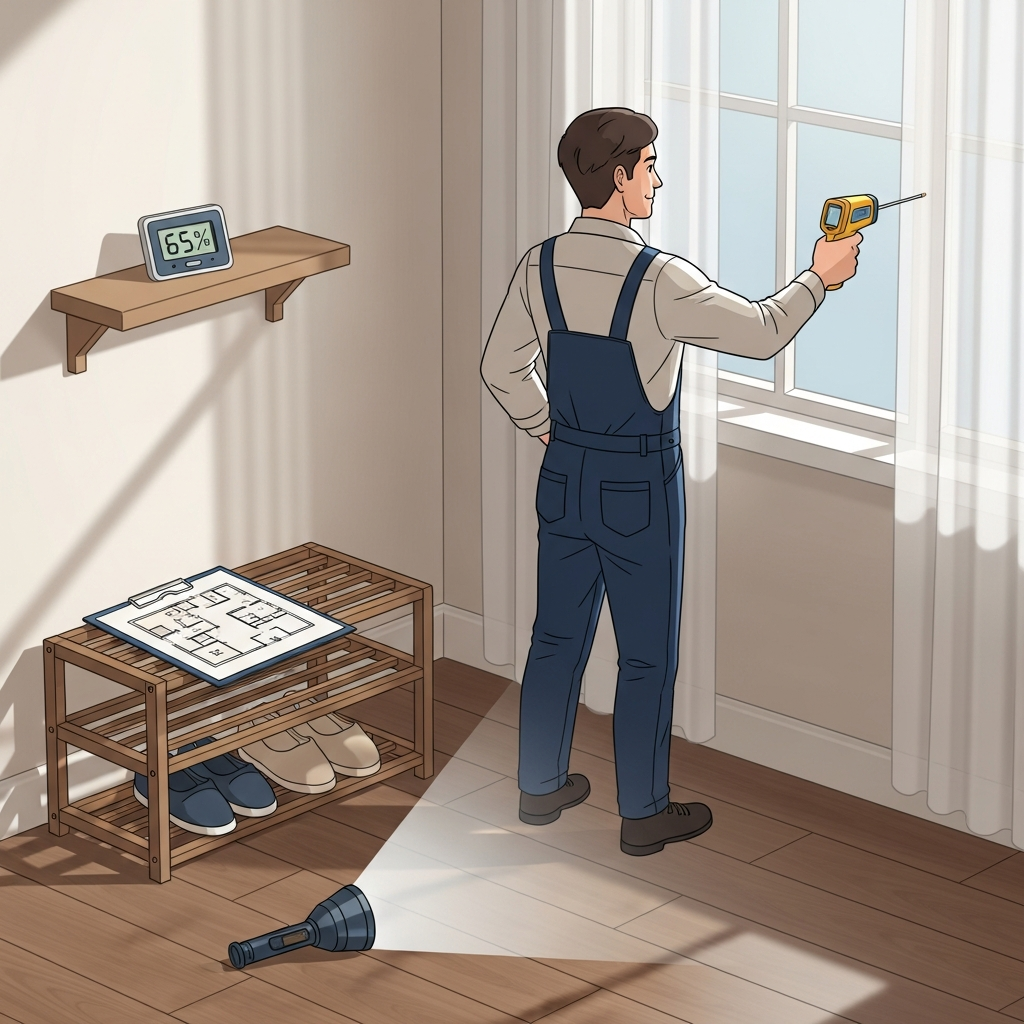
Gather basic tools. A hygrometer measures relative humidity; an infrared thermometer helps you spot cold surfaces prone to condensation; a bright flashlight reveals staining; and a small screwdriver or pick lets you gently probe trim. Have resealable bags handy in case you remove small samples of deteriorated materials for later review, and carry paper towels to test for dampness on masonry or floors.
Make a floor plan sketch and mark the areas you will inspect. Note plumbing runs, bathrooms, laundry, and exterior walls. Plan to return to suspect spots at different times of day and in different weather, because results can change. If you suspect past water events, gather any repair records. Knowing when a roof or window was last serviced can guide your focus.
Exterior and Drainage Checks
Start outside. Walk the perimeter and look at gutters, downspouts, and grading. Confirm that downspouts discharge several feet away from the foundation and that splash blocks or extensions are intact. Note any spots where soil slopes toward the house. Inspect siding and trim for gaps, missing caulk, or soft wood that might admit water during wind-driven rain, which is common in northern New Jersey storms.
Observe the roofline for missing shingles or flashing damage. On brick or block foundations, check for step cracks or areas where mortar has eroded. After recent rain, look for damp soil against the foundation or pooling water. If you see consistent ponding, plan for drainage improvements, because exterior moisture control is the foundation of any successful indoor odor fix.
Basement and Crawl Space
Enter the basement or crawl space and take an initial humidity reading. Anything consistently over 60 percent signals elevated risk. Smell the air when you first open the door. Mustiness that is stronger after the space has been closed for several hours is a typical sign of trapped humidity. Examine the perimeter, especially where the slab meets walls, for staining or white efflorescence that shows moisture movement through masonry.
Check vertical surfaces too. Press paper towels against the wall to see if moisture transfers. Probe wood sill plates gently for softness. Look behind storage where air circulation is poor, and evaluate whether items are stacked directly on the floor. If you find dampness, document it with a photo and a reading so you can track progress after you adjust ventilation or dehumidification.
Bathrooms and Kitchens
Steam-heavy rooms are frequent sources of mold odor. Turn on the bath fan and verify that it exhausts outdoors. If you can access the attic, confirm the duct does not terminate there. Time how long condensation remains on mirrors after a hot shower; if moisture lingers beyond 10 to 15 minutes, capacity may be insufficient. Look at caulk lines around tubs and showers for gaps and at toilet bases for leaks.
In kitchens, run the range hood during boiling or frying and confirm the duct path is clear. Inspect under sinks for drips and around dishwashers for water stains. Soft flooring adjacent to toe-kicks can signal chronic leaks. Document any finding, no matter how small; multiple minor moisture sources can collectively sustain a persistent odor.
Living Areas and Bedrooms
In living spaces, compare humidity against other rooms. If one bedroom reads five to ten points higher than others, dig deeper. Look for condensation on windows, especially at the lower sash corners where cold meets warm indoor air. Pull furniture slightly away from exterior walls and check for cool, damp patches or subtle discoloration. Inspect area rugs and the padding beneath for dampness, particularly on slab floors.
Evaluate closets too. Packed closets can trap humid air, especially if they share an exterior wall or are near a bathroom. If you detect mustiness there, plan for increased airflow by reducing clutter and occasionally leaving doors ajar to equalize conditions.
Attics and Roof Interfaces
On a safe, mild day, enter the attic and assess the general smell. Sniff near roof penetrations such as plumbing vents and around bath fan terminations. Darkened roof sheathing, rusty nail points, or frost in winter are all signs of condensation. Confirm that soffit vents are open and that insulation baffles maintain a clear air path from eaves to ridge. In Cape-style homes, examine knee-wall spaces where airflow can be restricted.
If you find suspect areas, record the location and take photos of any staining or water trails. Note whether the odor is stronger on windy or wet days, which could indicate rain intrusion rather than simple condensation. This distinction guides whether you prioritize roof repairs or ventilation upgrades.
HVAC System and Ducts
Musty odors that intensify when the AC or heat runs can arise from the air handler or ducts. With power off, check the condensate pan for standing water and verify the drain is clear. Inspect the coil for visible buildup and replace the filter if it is dirty. If you can access return and supply trunks, sniff near joints for mustiness and look for insulation that appears stained from moisture.
A professional cleaning may be necessary if biofilm has developed on internal components. Still, your inspection data is essential; noting when odors are strongest helps technicians target the right components and avoids unnecessary work.
Interpreting Findings and Prioritizing Actions
Organize your notes by severity. Active leaks, standing water, and humidity above 60 percent require immediate attention. Next, prioritize ventilation deficits, such as underperforming bath fans or blocked soffits. Finally, plan cleaning to remove dust reservoirs and odor-laden textiles. Addressing problems in this order ensures you dry and stabilize conditions before chasing residual smells in soft materials.
Set a follow-up schedule. After you implement a change—rerouting a downspout, adding a dehumidifier, or upgrading a fan—recheck humidity and odor at the same times of day for a week. Document improvements so you can confirm you are on the right path. If you do not see progress, reassess and consider adding expert help. For a guided path that blends your observations with targeted corrections, engage specialists in mold odor assessment who can validate your findings and fill in gaps.
Cleaning and Odor Reduction After Inspection
Once sources are addressed, focus on odor reservoirs. Vacuum carpets and upholstery with a high-efficiency filter, launder washable textiles, and wipe hard surfaces with a mild detergent solution. Run a dehumidifier until relative humidity stabilizes below 50 percent. Avoid masking agents; they provide temporary relief but can obscure diagnostics and delay effective solutions.
For small, visible areas on nonporous surfaces, damp-wipe to minimize airborne particles. Do not sand or aggressively scrub porous materials if you suspect deeper contamination. If drywall is soft or crumbling, or if odor remains strong despite your efforts, remediation with controlled removal may be necessary. Your earlier documentation will help define the scope efficiently.
Common Bloomfield Scenarios
After nor’easters or spring downpours, many Bloomfield basements experience temporary dampness. If your inspection points to seepage rather than plumbing leaks, prioritize exterior drainage and indoor dehumidification. Conversely, if bathrooms are the obvious culprit, improved exhaust capacity and consistent fan use may deliver rapid improvement. Attic condensation after cold snaps can often be corrected by restoring continuous soffit-to-ridge airflow and air-sealing warm air leaks into the attic from the living space.
Condominiums and multifamily buildings introduce shared elements. If your unit smells musty but your inspection is clean, coordinate with neighbors and the association to check common risers, roof penetrations, and shared mechanical rooms. Sometimes the source is adjacent, and collaborative action solves the problem faster.
Frequently Asked Questions
Q: How often should I perform a mold odor inspection? A: Complete a basic walkthrough seasonally and after any water event. A fuller checklist once or twice per year helps catch slow-developing issues before they become major.
Q: What humidity level should I target? A: Aim for 40 to 50 percent relative humidity indoors. Above 60 percent, the risk of mold growth and odor increases significantly.
Q: Do I need professional testing if I only have odor? A: Not always. If you can identify and correct moisture sources and odor fades, formal testing may be unnecessary. If odor persists or health concerns exist, consider professional evaluation.
Q: Can paint or sealers stop basement odor? A: They can help with vapor diffusion on masonry, but without correcting exterior drainage and indoor humidity, coatings alone rarely solve odor problems.
Q: Should I run my dehumidifier continuously? A: Let a hygrometer guide you. Continuous operation may be needed in summer or after storms; in drier seasons you can reduce runtime.
Q: What if odor is strongest when HVAC is on? A: Inspect the air handler, pan, drain, and ducts for moisture and contamination. Professional cleaning may be needed if buildup is present.
Restore Fresh Air with Confidence
If your checklist reveals more questions than answers, or if you want a faster path to clear air, partnering with local specialists can streamline the process. With targeted diagnostics, moisture control strategies, and practical cleanup guidance, you can resolve stubborn smells and keep them from returning. For a dependable next step, schedule expert mold odor help and move forward with clarity and peace of mind.