
Introduction
When homeowners in Bloomfield, New Jersey talk about “black mold,” they often mean visible dark or greenish-black growth on building materials in chronically damp areas. While not all dark discoloration is the same organism, the conditions that allow such growth—persistent moisture and poor ventilation—are consistent. Understanding how a professional evaluation works can reduce anxiety and help you plan effective next steps. To begin your research with a qualified option, review reputable mold inspection services that combine disciplined diagnostics with clear reporting for Bloomfield’s mix of older and newer homes.
This guide explains what to expect during a specialized inspection focused on suspected black mold, including the tools used, sampling strategies, documentation standards, and how results translate into practical remediation and prevention steps. You will also find preparation tips, local insights, and an FAQ to address common concerns.
What “Black Mold” Means in Practice
In everyday conversation, “black mold” often refers to conspicuously dark growth on drywall, trim, sheathing, or bathroom caulking. From an inspection standpoint, the color alone is not diagnostic. Professionals rely on the building’s moisture history, visual cues, meter readings, and, when indicated, laboratory analysis to determine what is present and how to address it. The key is to locate and correct the moisture driver that enabled growth—leaks, condensation, or high humidity—so that cleaning and material replacement produce lasting results.
Inspection Objectives
A specialized inspection for suspected black mold pursues clear objectives:
- Identify moisture sources feeding the affected area.
- Determine the extent of visible and hidden impact on finishes and structural components.
- Assess ventilation and HVAC factors that influence humidity and air movement.
- Document findings with photographs, moisture maps, and clear notes.
- Recommend containment, removal, cleaning, and verification steps appropriate to the situation.
These objectives ensure that remediation targets root causes and not just surface appearance.
Tools and Techniques
Inspectors use a combination of visual assessment and instruments to understand conditions in three dimensions:
- Moisture meters: Pin and pinless devices measure moisture in drywall, wood, and other materials to locate damp zones.
- Thermal imaging: Infrared cameras reveal temperature patterns that can suggest hidden moisture behind walls or ceilings.
- Hygrometers: These measure relative humidity and temperature to gauge the interior environment.
- Borescopes: Where appropriate, these allow viewing inside cavities with minimal disruption.
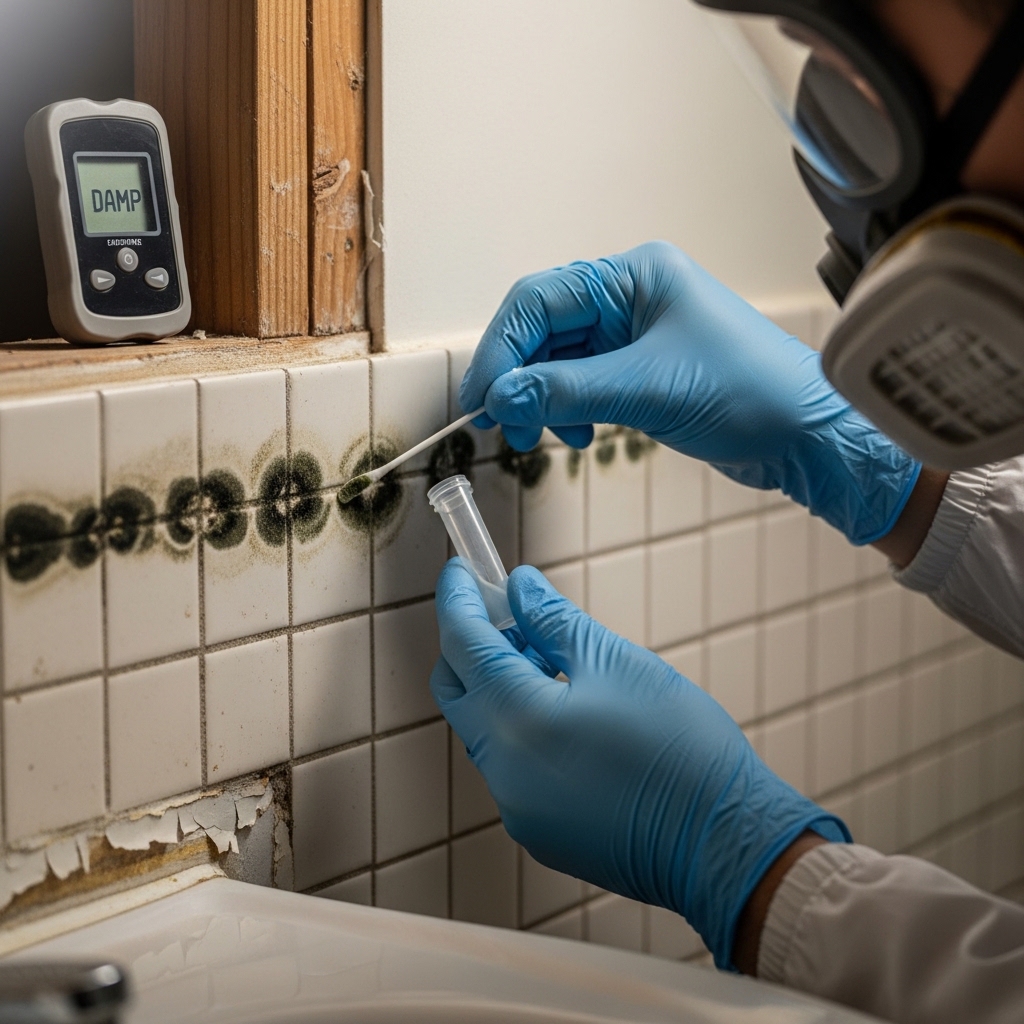
- Sampling equipment: Air cassettes, tape-lifts, swabs, and wall-cavity cassettes are used when data is needed to guide remediation or documentation.
The combination of tools allows an inspector to distinguish between surface-level staining and deeper-source moisture issues that require more extensive work.
Site Walkthrough: What Happens
The inspection unfolds in a logical sequence designed to capture both the big picture and subtle details:
- Interview: The inspector gathers history of leaks, overflow events, bathroom ventilation habits, and past repairs.
- Exterior review: Drainage, roof edges, and window assemblies are checked for potential water entry.
- Interior assessment: Focus areas include bathrooms, kitchens, basements, crawl spaces, and attics, emphasizing spaces with visible discoloration or musty odors.
- Measurement and imaging: Moisture mapping and thermal imaging pinpoint the extent of dampness.
- Sampling if appropriate: Air, surface, or cavity samples are collected to confirm findings and guide remediation.
- Debrief: Preliminary insights and timelines are shared, with a promise of a clear written report.
This stepwise approach ensures that observations are connected to moisture sources and not treated as isolated cosmetic problems.
Sampling: When and Why
Sampling helps answer targeted questions. For suspected black mold, surface samples can confirm the nature of visible material, while air or cavity samples assess areas where growth is suspected but not visible. Laboratory analysis supports documentation needs, especially in real estate or multi-tenant situations, and helps set containment boundaries for remediation.
Interpreting Findings
The strongest reports translate technical data into actionable steps. Expect a narrative that ties photos and meter readings to root-cause analysis. The report should prioritize moisture source corrections, define containment and removal methods for affected materials, and recommend cleaning approaches suitable to the surfaces involved. Verification steps—such as post-remediation visual checks and, if warranted, targeted sampling—provide confidence that the problem has been resolved.
Bloomfield Considerations
Bloomfield’s housing mix includes older homes with stone or block foundations and newer builds with tight envelopes. Common contributors to persistent moisture include clogged gutters that overflow along soffits and fascia, basement humidity in summer months, and poorly vented bathrooms. A local-savvy inspector will adapt the inspection plan accordingly, paying close attention to attic sheathing near nail lines, perimeter basement walls behind storage, and window assemblies in wind-driven rain conditions.
Homeowner Preparation
A little preparation helps your inspection day go smoothly:
- Photograph areas with discoloration before cleaning or painting; do not attempt to remove materials prior to documentation.
- Clear pathways to plumbing fixtures, mechanical rooms, and attic access points.
- List prior water events, roofing work, or bathroom renovations with dates if possible.
- Secure pets and plan for brief noise from equipment such as vacuums or ladders during access.
These steps ensure the inspector can focus time on diagnostics rather than moving objects or searching for access.
Remediation Planning Based on Results
When the report recommends remediation, the scope should be proportional to the extent of impact and consistent with industry-recognized containment and cleaning approaches. Typical elements include:
- Containment zones: Establishing isolated work areas with negative pressure to control particle movement.
- Selective removal: Targeted demolition of porous materials that are damaged or colonized.
- Cleaning protocols: Detailed cleaning of remaining surfaces using appropriate methods for the substrates involved.
- Drying and verification: Controlled drying after moisture correction, followed by visual and, when warranted, sampling-based verification.
Sequencing matters. Correct the moisture source first, then remove and clean, and finally verify. Skipping steps often leads to recurrence.
Mid-Process Checkpoint
If results prompt questions about scope or timing, pause to review your options. Reputable providers of mold inspection services can clarify how recommendations address the specific conditions in your Bloomfield property and help you plan follow-up verification.
Prevention Strategies
Lasting success depends on prevention. Integrate these strategies into your routine:
- Control indoor humidity, especially in summer; use exhaust fans and encourage air movement in closets and storage areas.
- Maintain gutters and verify downspout extensions move water away from the foundation.
- Inspect bathrooms for adequate ventilation and operate fans during and after showers.
- Check window and door seals to reduce condensation and limit water intrusion during storms.
- Review attic ventilation and insulation balance to prevent seasonal condensation on sheathing.
Prevention is the most reliable way to protect your investment and indoor comfort.
Frequently Asked Questions
Q: Is every dark stain on drywall “black mold”?
A: No. Color alone is not diagnostic. Moisture history and, when appropriate, surface sampling help determine what is present and how to address it.
Q: Do I need to leave the home during an inspection?
A: Typically not. The process is noninvasive, and you can remain on-site.
Q: Will sampling always be recommended?
A: Sampling is recommended when results will influence containment boundaries, documentation, or remediation decisions; it is not automatic.
Q: How long does an inspection take?
A: Time varies by property size, complexity, and access, but many homes can be assessed in a few hours.
Q: What if the problem seems localized to a bathroom?
A: Localized issues still warrant root-cause analysis of ventilation and water sealing; targeted remediation may be sufficient when moisture sources are corrected.
Q: Can painting over stains solve the problem?
A: Painting may hide discoloration but does not address moisture or microbial growth. Source correction and proper cleaning are essential.
Q: Should the same company inspect and remediate?
A: Many owners prefer independent inspection to avoid conflicts of interest. If one company offers both, request transparent documentation and verification.
Q: How soon should verification occur after remediation?
A: After materials are dry and cleaning is complete. Coordinate with the inspector to ensure appropriate timing for accurate results.
Schedule a Black Mold Inspection in Bloomfield
If you suspect black mold in your home, clarity begins with a methodical evaluation that finds moisture sources, defines scope, and outlines prevention. Contact a trusted local provider of mold inspection services to schedule your appointment, review sample reports, and take the first step toward a healthier living environment.