
Understanding Mold Inspection in Bloomfield, New Jersey
Bloomfield’s blend of older housing stock, tree-lined neighborhoods, and four-season weather creates the perfect scenario for moisture fluctuations—and where moisture lingers, mold can follow. If you are new to the topic or preparing to schedule an appointment, this comprehensive guide explains what a professional inspection includes, how to interpret findings, and how to protect health and property in a New Jersey climate. Early action is key, and connecting with trusted mold inspection services in the introduction phase of your research can save time and stress later.
Mold is a natural organism that thrives in damp, dark, and poorly ventilated areas. In Bloomfield, basements, crawl spaces, bathrooms, and attics are frequent hotspots, especially during humid summers and after nor’easter rain events. While many homeowners first notice a musty odor or minor discoloration, the real concern lies behind walls, under flooring, or inside HVAC systems where growth can remain hidden for months. A formal inspection provides the structured, evidence-based approach needed to locate sources, measure moisture, collect samples when appropriate, and outline next steps.
Why Mold Inspections Matter in Bloomfield
Local climate patterns and building characteristics make Bloomfield homes particularly vulnerable to intermittent leaks, foundation seepage, and condensation. Older homes may have historic charm but also legacy ventilation issues, outdated bathroom fans, unsealed penetrations, and mismatched gutters and downspouts that push water toward foundations. Even modern properties can suffer from inadequate attic ventilation or improperly installed vapor barriers. Mold inspections matter because they identify the cause behind visible growth or persistent odors and assess the full scope of moisture intrusion.
Beyond protecting the building envelope, inspections also support healthier indoor environments. While sensitivities vary, indoor mold can be associated with respiratory irritation, allergies, and general discomfort. For families with infants, older adults, or individuals with asthma, a proactive approach can reduce unnecessary exposure. By uncovering sources and contributing factors, an inspection empowers informed decisions about repairs, ventilation upgrades, and post-remediation verification if abatement is needed.
What a Professional Mold Inspection Includes
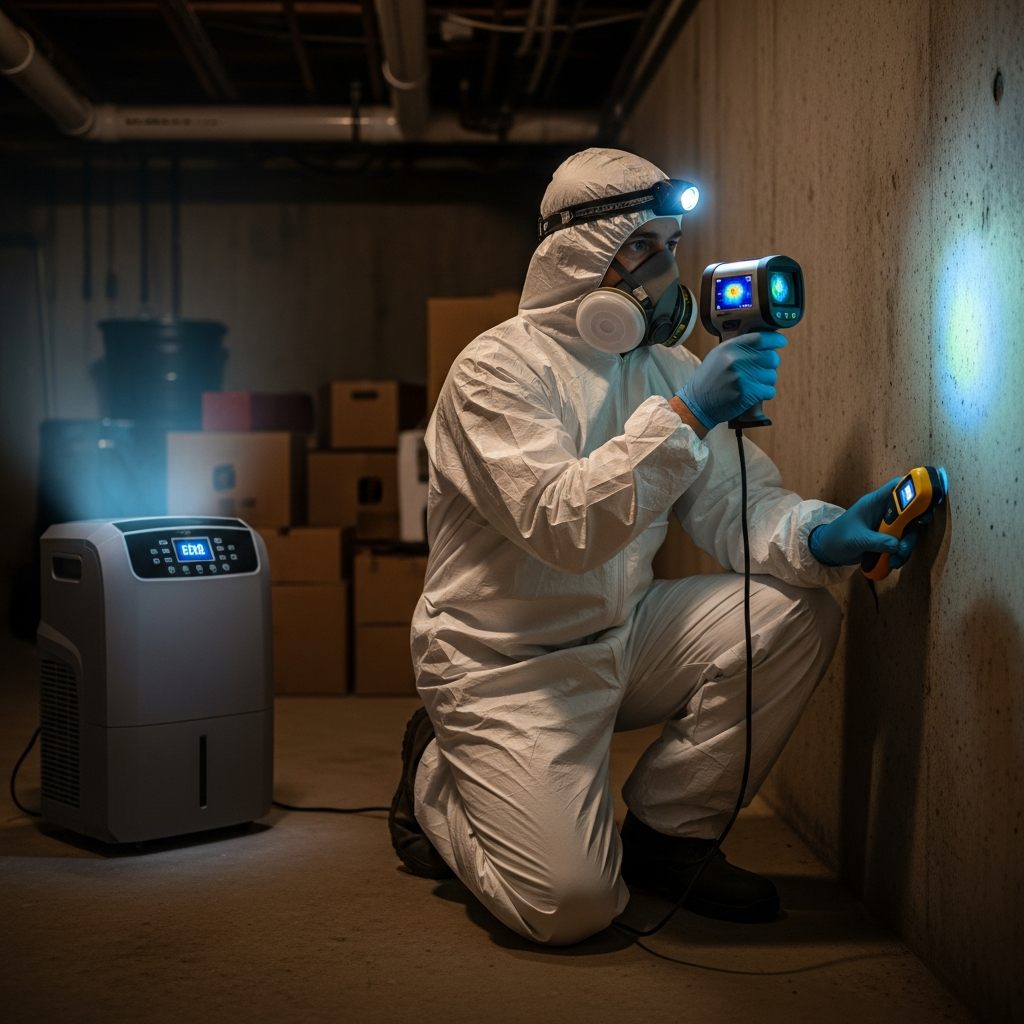
Although each property is unique, a thorough inspection generally follows a consistent framework. The inspector begins by collecting background information about any leaks, past flooding, renovation timelines, and occupant concerns. They then perform a visual assessment across interior and exterior areas, paying close attention to moisture-prone zones such as basements, utility rooms, bathrooms, kitchens, window sills, and attic sheathing. Thermal imaging may be used to identify cooler, damp sections behind walls, while non-invasive moisture meters help quantify suspected wet spots.
In cases where material damage is suspected, inspectors may recommend limited, non-destructive access (for example, removing a small section of baseboard) to verify hidden conditions. Air or surface sampling can be proposed to complement the visual findings, especially when occupants report symptoms, when there is a musty smell with no visible source, or when documentation is important for post-remediation clearance. The goal is not only to detect whether mold is present but also to determine why it is occurring and how to prevent recurrence.
Key Areas of Focus in Bloomfield Homes
Basements and crawl spaces deserve special attention in Bloomfield. Hydrostatic pressure, old foundation parging, and perimeter drainage challenges can allow periodic seepage. Even a small amount of water intrusion repeated over time can sustain mold growth. Sump pumps, dehumidifiers, and sealed rim joists are common upgrades that inspectors may recommend after evaluating root causes. In bathrooms, look for inadequate fan ducting, moisture-stained drywall near tub surrounds, and compromised caulk lines. In kitchens, slow supply line leaks and refrigerator drip pans can support hidden growth. Attics can show darkened sheathing from past condensation, often tied to blocked soffits, missing baffles, or inadequate insulation ratios.
Windows and doors are also frequent culprits. Failed seals, missing flashing, or aging weatherstripping can allow wind-driven rain to infiltrate the building envelope. Over time, this can discolor trim, warp sills, and create concealed pockets of mold around framing. A detailed inspection will pair exterior observations—such as gutter slope, downspout length, and grading—with interior measurements to confirm sources. This holistic approach ensures that remediation addresses cause, not just the symptom.
Sampling: When and Why It’s Used
Not every inspection requires sampling, but there are scenarios where it adds clarity. Air sampling can capture a snapshot of airborne spores in different rooms and compare them to an outdoor baseline. Surface sampling helps confirm whether discoloration is mold and what genera are present. Bulk sampling, where a small piece of material is collected, may be employed when materials are being removed as part of a planned repair. Interpreting results relies on a combination of lab data, visual evidence, moisture measurements, and building science. Reputable inspectors explain what testing can and cannot conclude and will never rely on lab numbers alone to override clear moisture problems that must be corrected.
The Inspection Process Step by Step
First, you will typically complete a pre-visit questionnaire that outlines your concerns, timelines, and any history of leaks or renovations. Upon arrival, the inspector conducts a detailed walkthrough, noting temperature and humidity, verifying ventilation points, and locating possible entryways for water. They will often map suspected moisture routes from roof to foundation, verifying hypotheses with tools like moisture meters and infrared cameras. If sampling is agreed upon, it is performed under controlled conditions. After the site work, a written report summarizes findings, includes photos as needed, documents moisture readings, and recommends next steps—ranging from simple maintenance to targeted remediation.
Choosing a Qualified Inspector in Bloomfield
Experience with New Jersey building styles and seasonal patterns is vital. Ask about training, certifications, reporting standards, and whether the provider follows established industry guidelines for documentation and sampling protocols. You want a professional who can identify both immediate issues and underlying contributors, such as negative pressure imbalances, unsealed attic penetrations, or improperly terminated exhaust fans. Midway through your research, comparing providers of mold inspection services can help you understand inspection scope, communication style, and how reporting supports decision-making with contractors or remediation teams.
Common Findings and Practical Fixes
In Bloomfield, commonly documented issues include basement wall efflorescence, minor rafter sheathing discoloration in attics, and bathroom ceiling staining from lingering humidity. Practical fixes often begin with improved drainage, sealing penetrations, upgrading exhaust fans to properly duct to the exterior, and managing indoor relative humidity. While remediation addresses existing growth, prevention is equally important. Small adjustments—like extending downspouts, resetting soil grading, running dehumidifiers seasonally, and ensuring kitchen and bath fans vent outside—can dramatically reduce recurrence risk.
HVAC systems deserve careful attention. Dirty condensate pans, clogged drains, or poorly sealed return ducts can distribute spores and moisture-laden air. Inspectors may advise cleaning coils, sealing duct leaks, and replacing filters regularly using MERV ratings that balance filtration with system compatibility. Where feasible, adding ventilation controls or heat recovery can further support healthy indoor air quality.
Interpreting Reports and Planning Next Steps
A strong report connects the dots between observations, moisture readings, and sampling results. It also explains limitations—areas not accessed, previous renovations that may conceal conditions, or environmental factors on the day of testing. Use the report as a roadmap: address moisture entry first, then consider remediation or targeted repairs. If abatement is performed, follow-up inspections can verify that moisture levels have normalized and that visual and sampling criteria meet project goals. Documenting each step supports future real estate transactions and provides peace of mind.
Seasonal Considerations in Essex County
In late winter and early spring, freeze-thaw cycles can widen small cracks and contribute to foundation seepage. Summer brings high humidity, driving condensation on cool surfaces. Fall leaf buildup can clog gutters and downspouts, increasing roof edge overflow and siding wetting. An inspection timed to your property’s seasonal vulnerabilities can reveal patterns that might otherwise be missed in a single visit. Routine maintenance paired with periodic professional reviews helps ensure that improvements stay effective over time.
Preventing Mold Before It Starts
Prevention strategies in Bloomfield center on controlling moisture, encouraging airflow, and eliminating cold surfaces where condensation can form. Prioritize drainage improvements, air sealing around penetrations, balanced insulation and ventilation in attics, and vigilant attention to bathroom and kitchen exhaust. Inside, monitor humidity with a simple hygrometer, and keep relative humidity ideally between 30% and 50% depending on season. For basements, consider encapsulation of crawl spaces where appropriate and confirm that dehumidifiers discharge to a drain to avoid overflow mishaps.
Frequently Asked Questions
Q: Do I need a mold inspection if I can see mold already? A: Yes, because visible growth often indicates a broader moisture problem. An inspection identifies scope and source, ensuring that any cleanup is paired with fixes that prevent recurrence.
Q: Will every inspection include air sampling? A: Not necessarily. Sampling is a tool, not a requirement. It is most useful when there is no visible source, when documentation is needed for health or real estate purposes, or for post-remediation verification.
Q: How long does a typical inspection take? A: Duration depends on property size and complexity, but many residential inspections take a few hours, plus time to prepare a clear, photo-documented report.
Q: Can mold return after remediation? A: Yes, if underlying moisture problems persist. This is why a report emphasizing root causes—drainage, leaks, ventilation—matters just as much as addressing visible growth.
Q: What if I rent in Bloomfield? A: Tenants should document concerns with photos and written notes, notify the landlord promptly, and request professional evaluation where warranted. Inspectors can provide independent documentation useful for coordinating corrective work.
Q: Are DIY tests sufficient? A: Home test kits can be misleading without context. A professional brings building science, calibrated tools, and the ability to synthesize data into actionable recommendations.
Q: How often should I recheck problem areas? A: After making repairs, monitor conditions seasonally and after major storms. If odors or stains return, schedule a professional reassessment to catch issues early.
Ready to Schedule Your Mold Inspection?
If you are concerned about odors, recent leaks, or visible discoloration, act sooner rather than later. Partner with local experts who understand Bloomfield homes, climate, and construction details, and who provide clear reporting you can use. Take the next step by contacting trusted professionals for mold inspection services and move forward with confidence, clarity, and a plan to safeguard your indoor environment.