
Introduction
Whether you own a classic colonial near Watsessing Park or a modern condo closer to downtown Bloomfield, New Jersey, a structured approach to indoor moisture and microbial concerns is essential. This homeowner-focused checklist walks you through what to do before, during, and after a professional evaluation so you can communicate clearly, protect your belongings, and act decisively on findings. To get oriented with a reputable option as you plan, explore professional mold inspection services that understand local building styles and seasonal conditions in Bloomfield.
The goal of this guide is to help you avoid guesswork. You will learn which areas deserve special attention, how to prepare access points, what documents to gather, and how to interpret results. The more organized you are, the faster your inspector can focus on the highest-value parts of the property, from the basement to the attic and everywhere in between.
Before the Inspection: Preparation Checklist
Good preparation saves time and yields better data. Use this list to get ready.
- Document your concerns: Note when odors occur, which rooms feel humid, and any visible discoloration. Take photos and jot down dates of past leaks or drain backups.
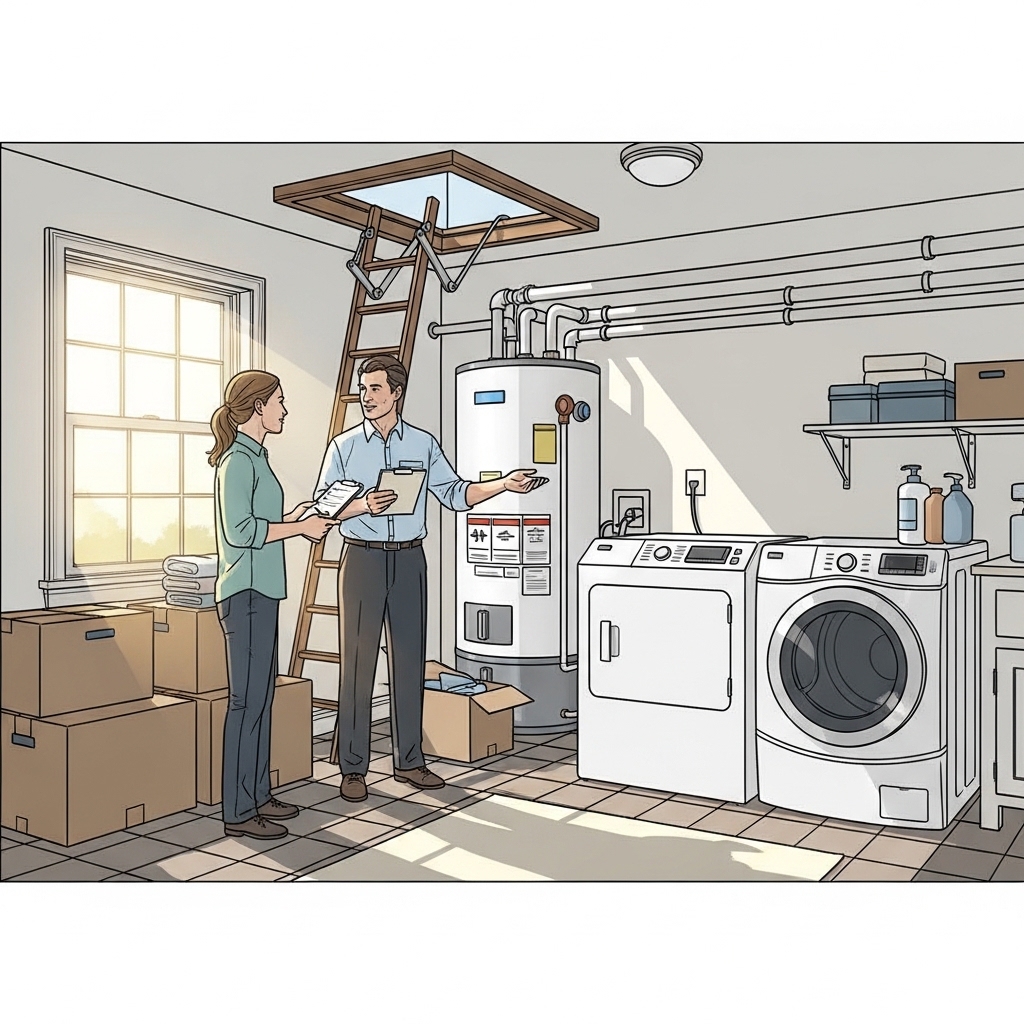
- Clear access: Move stored items away from basement perimeter walls, expose sink bases, and ensure access to the water heater, HVAC, and laundry appliances.
- Attic readiness: Make sure the attic hatch is reachable, and remove fragile items from the area beneath the hatch to avoid debris falling on belongings.
- Exterior visibility: Trim plants near foundation walls and clear leaves from gutters and downspouts before heavy rain, when practical, to support exterior observations.
- HVAC settings: Leave the thermostat on normal settings so the indoor environment reflects your typical conditions.
- Pet plan: Secure pets to avoid stress and ensure safe access to all rooms.
- Utilities and permissions: Ensure power is available for thermal imaging and metering; secure permission for the inspector to access common areas if you live in a multifamily building.
These steps help the inspector prioritize areas with the greatest likelihood of hidden dampness, leading to a more thorough evaluation.
During the Inspection: What to Expect
Professional home inspections for microbial conditions follow a systematic pattern. Understanding that sequence helps you follow along and ask informed questions.
- Interview and scope review: The inspector listens to your concerns, reviews known water events, and clarifies your goals.
- Exterior reconnaissance: Grading, guttering, and building envelope details are checked to trace potential water entry routes.
- Main living areas: Kitchens, bathrooms, laundry rooms, and entryways are evaluated for plumbing penetrations and ventilation performance.
- Basement and crawl spaces: Foundation conditions, sump operation, and signs of seepage or condensation are checked with meters and visual cues.
- Attic and roof-adjacent spaces: Ventilation, insulation, and roof leak indicators are assessed, often using thermal imaging.
- Moisture mapping: The inspector takes targeted readings and records them for the report.
- Sampling when appropriate: Air, surface, or cavity samples may be collected if there are indicators or documentation requirements.
- Summary and next steps: You receive a verbal overview and an explanation of the reporting timeline.
Ask questions throughout. A skilled professional will explain why certain areas draw attention or why sampling is or is not recommended.
Room-by-Room Homeowner Notes
While the inspector focuses on diagnostics, you can take notes to better understand patterns and plan improvements.
- Kitchen: Observe sink base cabinetry, dishwasher connections, refrigerator water lines, and any ceiling below an upstairs bathroom.
- Bathrooms: Look at caulking integrity, vent fan operation, and any staining around toilets or showers.
- Laundry: Check supply hoses, laundry sink drains, and floor drains for slow leaks.
- Basement: Pay attention to efflorescence on block walls, staining on joists, and humidity levels. Note if odors intensify after rain.
- Attic: Note uneven insulation, darkened sheathing near nail lines, and interrupted airflow from soffits to ridge vents.
- Windows and doors: Look for condensation or staining on sills and trim, which can signal air leakage or humidity imbalance.
These observations not only help you understand the report but also make it easier to communicate with contractors later.
Understanding Sampling
Sampling data adds clarity when used wisely. Here is a quick guide:
- Air samples: Compare indoor and outdoor snapshots to understand relative concentrations and spore types.
- Surface samples: Confirm whether visible discoloration is microbial in nature and identify types present.
- Wall-cavity samples: Target hidden areas when meters or imaging suggest dampness behind finishes.
Not every situation needs sampling. It is most valuable when the results will influence remediation scope, disclosure requirements, or medical consultation.
After the Inspection: Action Plan
Once the report arrives, treat it like a blueprint. Organize tasks in a logical sequence, starting with moisture source control:
- Fix moisture drivers: Address roof or plumbing leaks, drainage issues, and ventilation deficits.
- Plan remediation if needed: Define containment zones, removal of affected materials, and cleaning methods.
- Verify: Consider follow-up measurements or sampling to confirm that moisture and contamination have been addressed.
- Prevent: Adopt maintenance practices that keep humidity and water intrusion under control.
The most successful outcomes come from addressing cause and effect, not just appearance.
Bloomfield-Specific Tips
Local climate and building characteristics inform the inspection process and your prevention strategy:
- Gutter vigilance: Leaf fall in autumn can overwhelm gutters and downspouts, leading to overflow along fascia and foundation walls.
- Basement humidity: Summer conditions often demand dehumidification and air movement to avoid stagnant, damp air in below-grade spaces.
- Storm readiness: Nor’easters can push wind-driven rain under shingles and around windows; check attics and top-floor ceilings after major events.
- Mixed-age housing: Older plaster walls and stone foundations require different diagnostic approaches than newer drywall-and-stud construction.
Tailoring your action plan to Bloomfield realities increases long-term success.
Maintenance Essentials for Prevention
Prevention saves time and stress. Add these basics to your seasonal routine:
- Clean gutters and verify downspout extensions discharge several feet from the foundation.
- Run bathroom fans during and after showers; verify they vent outdoors.
- Use kitchen range hoods when cooking to limit indoor moisture buildup.
- Inspect caulking and grout in wet areas and repair gaps promptly.
- Monitor basement humidity during summer; ensure good airflow behind stored items.
- Review window and door weatherstripping and address condensation quickly.
Small habits compound, keeping interiors dry and resilient.
Working With Professionals
When selecting an inspection provider, look for independent professionals who prioritize diagnostics over sales. Ask for sample reports, equipment lists, and an explanation of how they determine when sampling is necessary. Ensure they are comfortable discussing limitations and recommending follow-up with other trades when needed.
Midway Check-In for Homeowners
As you plan next steps or compare providers, you may want to revisit services that align with your goals. Reviewing established mold inspection services can help you confirm scope, timeline, and reporting expectations that match your property’s needs.
How to Read Your Report Like a Pro
Reports vary in style, but certain features indicate quality. Look for the following characteristics and use them to guide decisions:
- Clear moisture maps: Specific readings with locations and photos to anchor the data.
- Prioritized recommendations: A sequence that begins with moisture source control, followed by removal/cleaning where needed, and ends with prevention.
- Plain-language summaries: Technical details translated into homeowner-friendly action items.
- Limitations section: Transparent acknowledgment of any areas not accessed or conditions that may require further evaluation.
Keep a running list of questions and schedule a follow-up call if any recommendations are unclear.
Homeowner Communication Tips
Quality outcomes depend on clear communication with inspectors and contractors. Consider these practices:
- Share photos and dates of past issues to establish patterns.
- Ask how each recommended step addresses root causes.
- Request that contractors protect the home with containment when removing affected materials.
- Plan for verification checks after repairs to avoid repeating work later.
A collaborative approach keeps everyone aligned and helps you avoid unnecessary disruption.
Frequently Asked Questions
Q: How long should I plan for the inspection?
A: Many single-family homes can be evaluated in a few hours, depending on size, complexity, and whether sampling is needed.
Q: Do I need to leave the house?
A: Usually not. The process is noninvasive, though the inspector may access attics, crawl spaces, and mechanical closets.
Q: What if I see visible discoloration?
A: Report it to the inspector. Sampling may or may not be necessary depending on your goals and the overall findings.
Q: What areas of a home are most vulnerable?
A: Basements, bathrooms, kitchens, laundry rooms, and attics commonly show moisture-related issues due to plumbing, steam, and ventilation patterns.
Q: Should air sampling be done every time?
A: Not necessarily. Sampling is most useful when it will influence remediation scope, documentation, or medical consultation.
Q: How do I keep basements dry?
A: Manage exterior drainage, run dehumidification during humid months, and keep stored items off perimeter walls to encourage airflow.
Q: Can I do my own inspection?
A: You can perform routine checks, but specialized tools and experience help professionals find hidden moisture and interpret patterns accurately.
Q: When should I schedule a follow-up inspection?
A: After repairs, after remediation, or when persistent odors or humidity suggest ongoing issues.
Book Your Bloomfield Home Inspection
Take control of indoor conditions with a methodical approach that emphasizes moisture source control, targeted cleaning, and prevention. Connect with a trusted provider of mold inspection services to schedule your Bloomfield visit, review example reports, and ensure your home’s plan matches your goals and timeline.