
A homeowner’s guide to mold inspection in Bloomfield
Mold thrives where moisture lingers, and Bloomfield’s weather patterns can deliver plenty of it. From heavy spring rains to humid summers and icy winters, your home faces a rotating set of moisture challenges. Understanding how inspections work and what to look for helps you protect your property and your comfort. If you prefer a head start, you can arrange a professional mold inspection and follow along with this guide to make the most of the visit.
This homeowner-focused overview covers why inspections matter, what a thorough evaluation looks like, and how to take action based on findings. With a clear plan, you can manage moisture proactively and avoid recurring issues.
Why mold inspection matters
Mold is not just a surface problem. It is a sign of moisture imbalance that may point to leaks, condensation, or poor ventilation. Left unaddressed, that imbalance can damage materials, affect comfort, and complicate repairs later. Inspections reveal root causes so you can create durable solutions rather than cycle through temporary fixes.
Bloomfield-specific risk factors
Local homes often feature basements, attics with complex roof lines, and additions that connect new and old materials. Those transitions can create hidden pathways for water and air. Seasonal humidity encourages condensation on cool surfaces, especially in basements and on window frames. Awareness of these patterns lets you focus your inspection time where it matters most.
What a thorough inspection includes
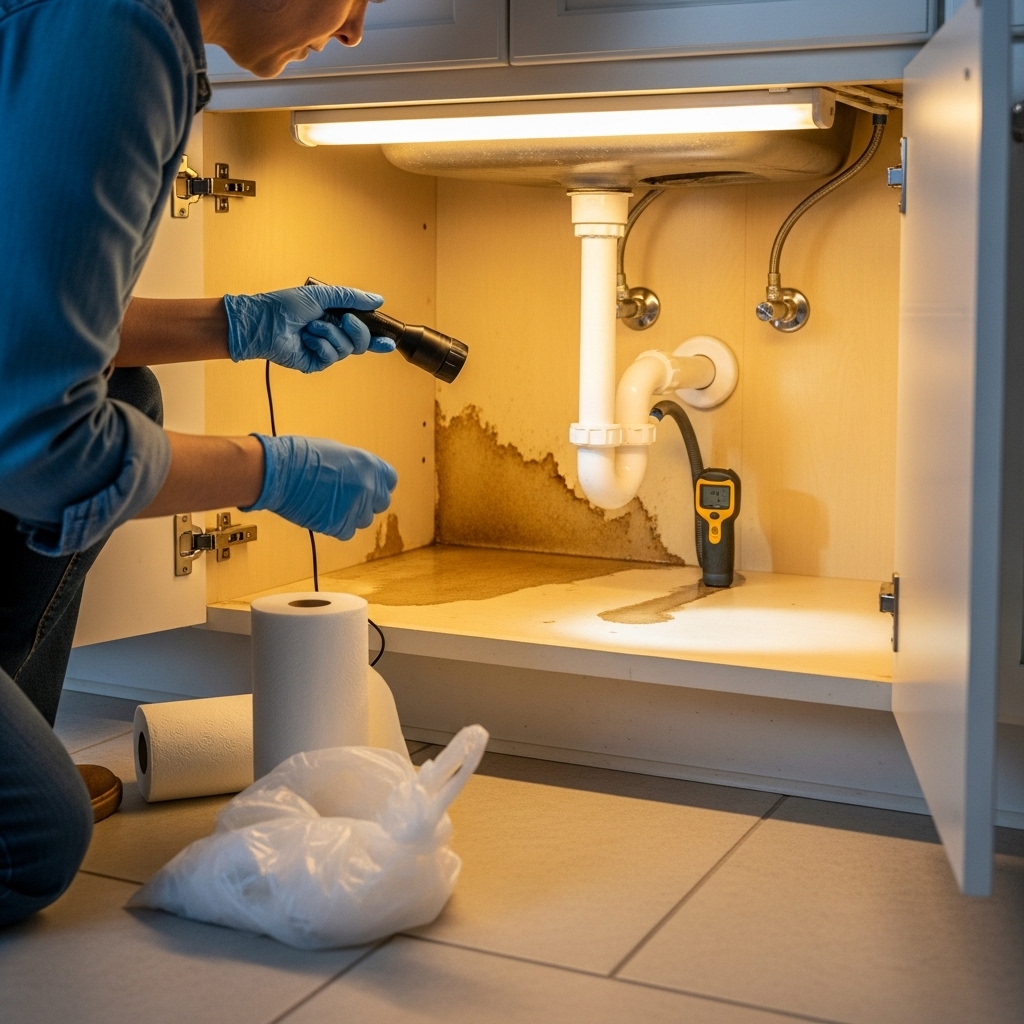
A complete evaluation starts outside by tracing water’s path from roof to ground. Inside, the inspector surveys for stains, warping, and odors, uses moisture meters and thermal imaging to locate hidden dampness, and checks ventilation and HVAC behavior. Attics, basements, crawl spaces, and plumbing-heavy rooms receive extra attention. Sampling is considered when it adds clarity to the plan.
DIY checks you can do now
Review gutters and downspouts, confirm downspout extensions, check caulk lines around windows and doors, and look for grading that slopes toward the house. Inside, inspect under sinks, behind appliances, and along baseboards for stains or soft spots. Lift area rugs near exterior doors and check closets for musty odors that may indicate poor airflow.
Reading the signs
Peeling paint on lower walls, recurring window condensation, and faint brown ceiling rings are common clues. Slightly buckled flooring at door thresholds often points to liquid water reaching the subfloor. Record what you find with photos and simple notes so you can compare conditions over time and share clear information with professionals if needed.
HVAC and ventilation essentials
Replace filters on schedule, confirm bathroom and kitchen fans actually move air, and inspect condensate lines and pans near air handlers. Uneven airflow can drive condensation in some rooms while leaving others too dry or drafty. A balanced system supports comfort and reduces mold-friendly microclimates.
Attics, basements, and crawl spaces
In attics, check for visible staining on sheathing, rusty fasteners, or frost in winter that signals poor ventilation. Ensure bath and dryer ducts terminate outside. In basements and crawl spaces, look for efflorescence, damp insulation, sagging vapor barriers, and musty odors. These areas reveal the home’s overall moisture behavior and inform your next steps.
When to call a professional
Escalate when you find persistent musty odors, visible growth that spans more than a small area, or materials that remain damp for more than a day. Professional tools and methods map moisture, verify sources, and guide remediation. This is especially important if you are preparing to sell your home or if household members have sensitivities you need to consider.
How professionals add clarity
Inspectors bring structured methods, calibrated tools, and experience with local building styles. They measure moisture, use thermal imaging where appropriate, and may recommend air or surface sampling to clarify scope or establish a baseline for clearance. Their reports provide prioritized recommendations so you can act efficiently and verify results.
Turning findings into action
Address the source first: repair leaks, manage drainage, and improve ventilation. Then tackle affected materials based on type and extent. Non-porous surfaces may be cleanable if moisture is controlled, while porous materials often require more thorough intervention. Finally, implement prevention strategies and schedule a follow-up review to confirm success.
Preventing recurrence
Prevention is about consistency. Keep gutters clear, ensure downspout extensions are in place, use exhaust fans during and after moisture-generating activities, and manage indoor humidity. Consider setting calendar reminders to perform mini-inspections in basements, bathrooms, and around windows after heavy weather.
Documentation and communication
Write concise notes and label photos by room and issue. If you bring in a professional, share your history of leaks, odors, and repairs. Clear communication leads to targeted recommendations and avoids unnecessary disruption. Keep your records for future reference, especially if you plan renovations or real estate transactions.
Midway reminder for homeowners
If your walkthrough revealed stubborn odors or repeated damp spots, do not wait for the situation to worsen. Getting a targeted professional review now prevents guesswork and saves time later. A focused mold inspection will align your next steps with real measurements and a clear plan.
Frequently asked questions
Question: Should I open walls to check for hidden mold? Answer: Non-invasive methods are preferred first. If evidence suggests a hidden problem, invasive exploration is planned with proper containment and after a clear rationale is established.
Question: Do I need air testing? Answer: Testing is useful when it changes the plan or verifies success after remediation. If the source and extent are already clear from inspection, focus on moisture control and material handling.
Question: How often should I inspect? Answer: Perform a seasonal review and add checks after storms or leaks. Homes with chronic humidity benefit from monthly spot-checks in known trouble areas.
Question: Can new construction have mold issues? Answer: Yes. Fresh materials can be exposed to rain during building, and tight homes rely heavily on balanced ventilation. Early inspections keep new homes performing well.
Question: What if I am sensitive to mold? Answer: Share your concerns with the inspector, who can tailor the approach and recommend steps that emphasize prevention and ongoing monitoring.
Take action for a healthier home
Your home’s resilience depends on how quickly you identify and correct moisture imbalances. Use this guide to check the most important areas, document what you find, and prioritize source control. When you want expert validation and a tailored plan for your Bloomfield property, schedule a visit and get clear recommendations. Book a professional mold inspection today and move forward with confidence.