
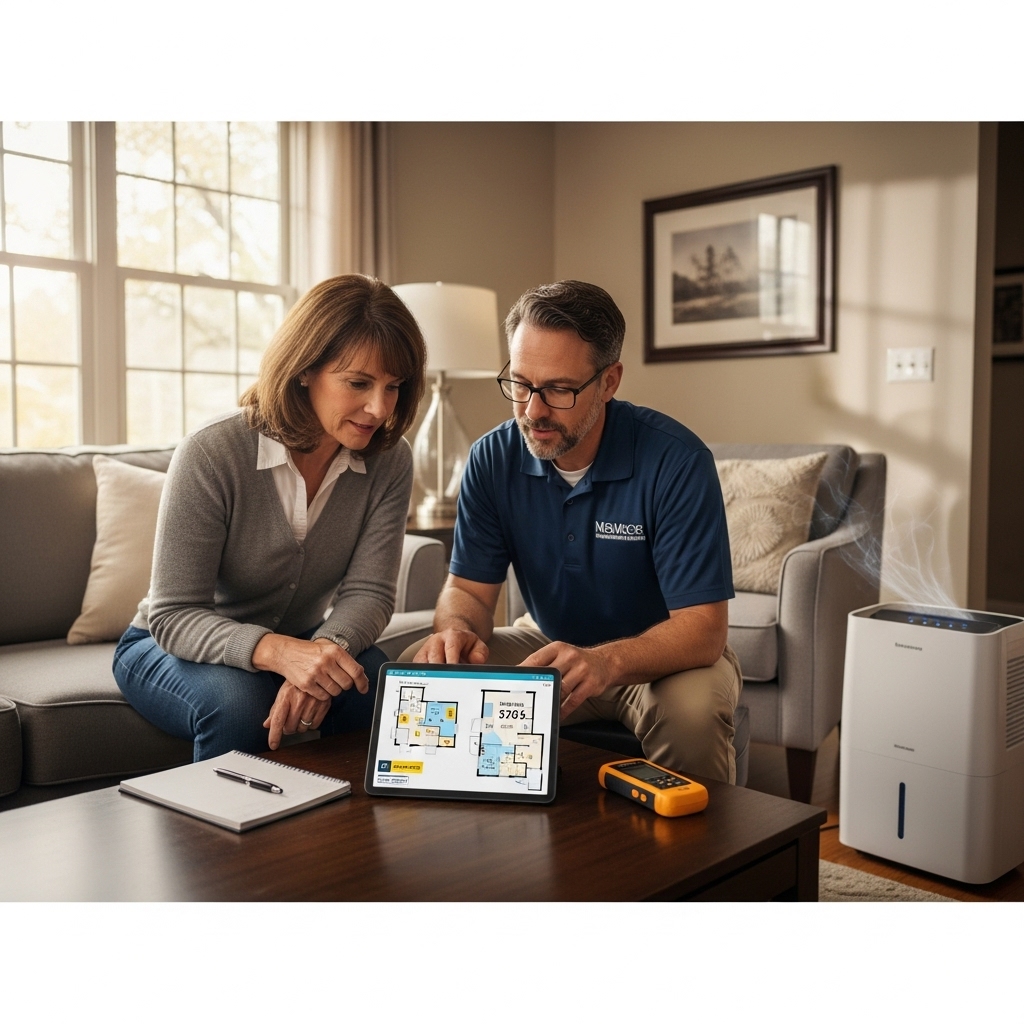
Understanding mold inspection in Bloomfield: scope, timeline, and process
When you discover stains, musty odors, or damp materials, clarity is essential. A well-structured inspection tells you where moisture is coming from, how far it has spread, and what to do next. This guide explains what shapes the scope of work, how long each step usually takes, and how professionals approach the task in Bloomfield, New Jersey. If you prefer to start with professional support right away, consider booking a comprehensive mold inspection to receive a focused plan tailored to your home.
While every property is different, knowing the typical flow and the factors that influence scheduling helps you coordinate access, prepare your household, and move efficiently from problem to solution.
What defines the scope of an inspection
The scope begins with your goals. Are you troubleshooting a single odor, assessing an entire house during a purchase, or verifying the results of recent repairs? The inspector considers building age, materials, renovation history, and known leaks or storms. Areas with plumbing, exterior walls, and spaces prone to condensation receive extra attention. If the property has additions or complex roof lines, transitions between materials become a focus.
Key factors that influence overall planning
Several elements shape the planning for an inspection. Access to all rooms, utility spaces, attics, basements, and crawl spaces is crucial. The presence of pets, storage that blocks walls, or locked rooms can add time. Recent weather matters because it can highlight active leaks or mask conditions during dry spells. The complexity of HVAC systems and ventilation paths may also influence the depth of evaluation.
Typical timeline from first call to final report
The overall timeline follows a familiar arc. First, there is a pre-inspection conversation to capture the home’s history and your priorities. Next comes the site visit, with an exterior walkthrough, interior survey, and focused evaluation of attics, basements, and plumbing-heavy rooms. If sampling is appropriate, it is performed methodically. After the visit, the inspector compiles notes, photos, measurements, and lab results if any, and delivers a written report with prioritized recommendations. Follow-up communication clarifies any questions and discusses next steps.
Exterior evaluation details
The exterior sets the stage for moisture control. Inspectors review roofing condition, flashing, gutters, downspouts, and grading. Siding, window and door interfaces, and penetrations such as vents and utility lines are assessed for water entry risk. Documentation includes photos and comments that link specific exterior observations to potential interior effects.
Interior survey and moisture mapping
Inside, inspectors systematically check for stains, warping, peeling, and odors. Using non-invasive moisture meters, they identify damp materials, and they may use thermal imaging to reveal temperature differences that suggest hidden moisture. Moisture patterns are recorded room by room to distinguish active issues from historical marks.
HVAC and ventilation review
Air handling equipment, filters, condensate pans and lines, and local exhaust fans are reviewed for performance and potential leaks. Uneven airflow or blocked returns can create temperature stratification and condensation. The inspector looks for evidence of past water in mechanical rooms and around ductwork.
Attics, basements, and crawl spaces
These spaces often tell the most compelling story. In attics, the focus is on roof leaks, ventilation, and duct terminations. In basements and crawl spaces, the emphasis is on seepage, vapor barriers, sump systems, and the condition of framing along the foundation. Odors, staining, and moisture readings are documented carefully.
When sampling enters the picture
Sampling is considered when it adds clarity. Air sampling can compare indoor and outdoor concentrations or evaluate specific rooms that raise questions. Surface sampling can confirm whether discoloration is biological and guide cleaning versus removal decisions. The inspector explains options, limitations, and how results will inform the plan.
Turning findings into a prioritized plan
Recommendations typically begin with source control: repair leaks, improve drainage, correct flashing, and balance ventilation. Next comes addressing impacted materials, distinguishing between what can be cleaned and what should be removed. Finally, prevention measures and monitoring close the loop, helping you maintain the improvements.
Planning and scheduling considerations
Scheduling depends on access, the number of spaces to evaluate, the need for sampling, and coordination with other work such as roof or plumbing repairs. Organizing your notes, clearing access to attics and utility rooms, and moving stored items away from basement walls can streamline the visit.
What homeowners can do before the visit
Prepare by listing your top concerns, including where odors are strongest, when they occur, and any prior leaks. Ensure pets are secured and that fragile items are protected. Run bathroom and kitchen fans briefly to test airflow, but avoid large humidity changes just before the appointment so conditions reflect normal use.
How inspectors communicate results
Expect clear language and practical steps. A well-structured report includes observations, photos, measurements, and if applicable, lab interpretations. It ends with prioritized recommendations so you can address moisture sources first and then manage materials. Inspectors typically remain available for follow-up questions as you plan your next steps.
Common scenarios in Bloomfield
Many Bloomfield homes experience window condensation in winter, basement humidity in summer, and complex attic ventilation due to roofline geometry. Older homes may have mixed renovations where new materials meet old systems. An experienced inspector recognizes these patterns and tailors recommendations to your home’s specific assembly.
How scope can change during the visit
Sometimes new clues appear mid-inspection, such as a fresh stain under a sink or unexpected readings near a door. The inspector adapts the plan, focusing on the most significant moisture pathways first. If invasive exploration is warranted, it is discussed carefully and scheduled with appropriate protection and containment.
Midpoint reminder about next steps
If your own walkthrough leaves you uncertain about the extent of an issue, do not delay. Determining the true scope requires tools and experience. A targeted professional mold inspection provides the data and context you need to move from suspicion to a clear, actionable plan.
Frequently asked questions
Question: How long does the on-site portion usually take? Answer: Duration depends on home size, access, and complexity. Most single-family homes can be evaluated within a single visit, with additional time if sampling is performed.
Question: Will the inspector disrupt my home? Answer: Inspectors work carefully to minimize disturbance. They need access to all rooms and mechanical spaces, but invasive steps are only taken when justified and agreed upon.
Question: Do I need laboratory testing? Answer: Only when it will clarify uncertainties or verify results after corrective actions. The decision is made in context with your goals and the evidence observed.
Question: Can I prepare without changing conditions? Answer: Yes. Clear access and gather history, but avoid large ventilation or humidity changes right before the visit so the inspection reflects typical conditions.
Question: What happens after the report? Answer: You address moisture sources, handle affected materials appropriately, and consider a follow-up evaluation to confirm that conditions have stabilized.
Move forward with a clear plan
Mold concerns do not resolve themselves, but a structured approach makes them manageable. Understand the factors that shape the scope, prepare for the visit, and prioritize source control in your follow-through. When you are ready for expert guidance designed for Bloomfield homes, schedule your professional mold inspection and put a practical, step-by-step plan into action.