
Introduction
Bloomfield, New Jersey offers a distinctive mix of historic homes, mid-century construction, and newer developments, all set against a climate that can bring humid summers, leaf-heavy autumns, and wintry precipitation. These conditions make thorough, professional evaluation of indoor moisture and microbial conditions a crucial part of responsible property ownership. If you are researching how to plan for professional evaluation and what influences the overall investment, this comprehensive guide is designed to help. To start your research with a trusted option, consider exploring mold inspection services from a reputable provider that understands the unique needs of Bloomfield homes and businesses.
Because every building is different, your goals, the property’s age and construction materials, and evidence of prior water events all shape the scope of work. In the following sections, you will learn how full-spectrum inspections are performed, which factors commonly influence your budget planning, and how to choose a qualified inspector who can provide clarity without upselling unnecessary steps. You will also find checklists, preparation tips, and guidance for reading reports so you can make confident decisions after the inspection is complete.
What a Professional Mold Inspection Includes
A professional inspection is more than a quick walkthrough. It is a structured procedure designed to locate moisture sources, identify visible growth or conditions conducive to growth, and document findings with a neutral, data-driven approach. Here is what a comprehensive inspection typically includes:
- Client interview to understand history of leaks, humidity challenges, renovations, or musty odors.
- Exterior evaluation, focusing on drainage, grading, gutters and downspouts, roof edges, and potential pathways for water entry.
- Interior walkthrough with attention to basements, crawl spaces, attics, bathrooms, kitchens, laundry areas, window assemblies, and HVAC components.
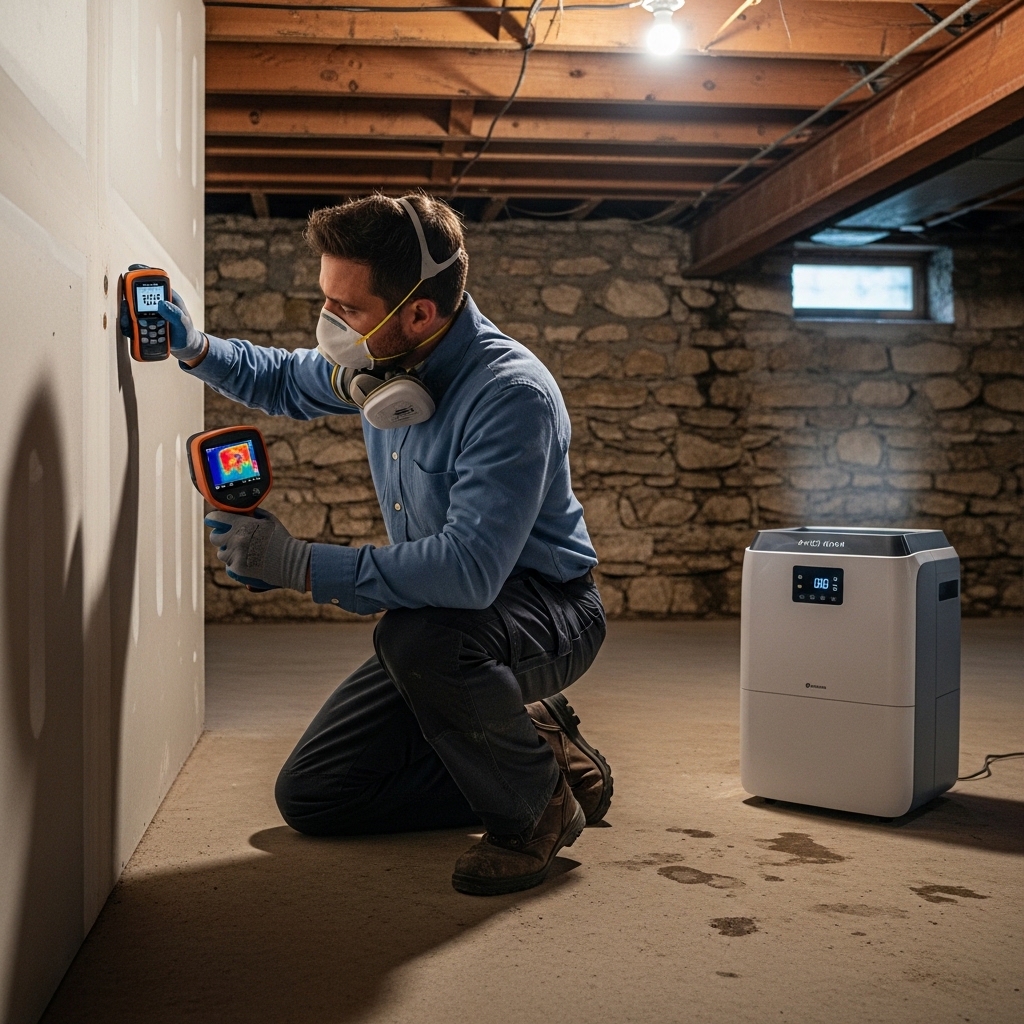
- Moisture mapping using meters to measure wood and drywall moisture content and to check suspect areas around plumbing and exterior walls.
- Thermal imaging to visualize temperature differentials that may indicate hidden moisture behind walls or under flooring.
- Limited or minimally invasive access where appropriate, such as removing outlet covers or using probe meters in discreet locations, to validate suspicions about hidden dampness.
- Sampling, if indicated by the inspector’s findings and your goals. This may include air samples, surface samples (tape-lift or swab), or wall-cavity samples using specialized cassettes.
- Photographic documentation with clear labeling, alongside site notes describing observed conditions and contributing factors.
- Recommendations for remediation or maintenance, along with guidance for ventilation improvements, humidity control, and prevention.
Importantly, sampling is not automatic. A qualified inspector will explain when sampling is warranted based on visible conditions, occupant symptoms, real estate transaction needs, or a requirement to establish baseline conditions. The best inspections are tailored to the building and the client’s objectives.
Key Factors That Influence Your Overall Investment
While every property is unique, a consistent set of variables tends to drive the scope of work for professional evaluations. Understanding these can help you plan effectively without surprises.
- Property size and layout: Larger homes or commercial spaces require more time for detailed assessment, especially when multiple levels, wings, or additions are involved.
- Age and construction type: Historic Bloomfield homes with plaster walls, stone foundations, and intricate trim can demand more careful evaluation than newer drywall-and-stud construction.
- Moisture history: Repeated roof leaks, flooded basements, or chronic humidity issues increase the time needed for moisture mapping, source tracing, and documentation.
- Accessibility: Tight crawl spaces, sealed attics, built-ins, and limited access around mechanicals can extend inspection time.
- Sampling strategy: The number and type of samples are determined by findings, concerns, and formal requirements for real estate or medical consultation. Laboratory analysis adds steps that affect scheduling and reporting depth.
- Report complexity: A concise seller’s disclosure summary is different from a full technical report with appendices, moisture maps, and long-term prevention plans.
- Timeline: Rush turnarounds for real estate transactions and moves may require compressed scheduling and accelerated reporting.
- Coordination with other professionals: Collaboration with HVAC technicians, roofers, or restoration contractors can add coordination time to ensure recommendations are integrated and practical.
- Seasonal conditions: Heavy spring rains, summer humidity, and winter snowmelt can change inspection logistics and what is accessible or safe to evaluate.
- Occupancy: Furnished and occupied homes require more care to protect belongings and to navigate around stored items, which can increase the time needed.
Each of these elements informs the inspector’s plan. The most transparent providers will explain how the scope was determined, what is included, and why specific steps are recommended.
Inside the Bloomfield, New Jersey Context
Local building patterns shape inspection strategies. In Bloomfield and nearby Essex County communities, you will encounter a wide range of housing stock: older colonials with stone foundations, capes and ranches with finished basements, and multifamily buildings with shared systems. Seasonal leaf fall can clog gutters, pushing water toward fascia and foundation lines. Nor’easters can drive rain under shingles or through window assemblies. Summer humidity, combined with tightly sealed buildings, can create stagnation in basements and closets. A thoughtful inspection accounts for these realities and concentrates on the most vulnerable areas first.
Inspectors familiar with Bloomfield also understand township considerations such as sump pump prevalence, cellar access constraints, and how exterior grading and soil composition interact with older foundation materials. Knowing what is typical for the neighborhood helps professionals distinguish between normal age-related wear and true risk conditions that require correction.
Inspection Steps: What Happens During the Visit
Being prepared for the day of the inspection reduces stress. Here is a typical sequence so you know what to expect:
- Arrival and safety briefing: The inspector confirms access points, ensures pets are safely restrained, and reviews your primary concerns.
- Exterior assessment: The evaluation begins outside to identify water entry vectors before tracing interior symptoms.
- Main-level walkthrough: Kitchens, baths, laundry rooms, and entryways are checked for plumbing penetrations and ventilation issues.
- Basement and crawl space: Foundation walls, sill plates, rim joists, and mechanical areas are examined for condensation, efflorescence, and seepage pathways.
- Attic and roof-adjacent spaces: Venting, insulation condition, and potential roof leaks are reviewed, often with thermal imaging.
- Moisture measurements: Meters are used at strategic spots; results are recorded to create a moisture map.
- Sampling when indicated: Air, surface, or wall-cavity samples are collected based on observed conditions and your goals.
- Debrief: The inspector summarizes preliminary findings and outlines the reporting timeline and next steps.
Throughout, the focus is on locating and confirming moisture sources. Mold growth follows moisture, so permanent solutions begin with moisture control. A well-structured report will therefore emphasize root causes alongside any observed growth.
Sampling Methods and When They Are Useful
Sampling is a tool—not the inspection itself. Appropriate sampling helps answer specific questions:
- Air sampling: Provides a snapshot of spore types and relative concentrations inside versus outside. This is useful for evaluating hidden concerns when no visible growth is apparent or for documentation during real estate transactions.
- Surface sampling: Tape-lifts or swabs help confirm the identity of visible growth for remediation planning.
- Wall-cavity sampling: When thermal imaging or moisture readings suggest hidden dampness, cavity samples can support targeted remediation without wholesale demolition.
- Direct microscopy versus culture: Direct microscopy reveals what is present on the sample; cultures can help determine viability in specific contexts. Your goals guide the choice.
A good inspector will explain why a particular sample type is recommended and how it will inform practical decisions. If the recommendation seems generic, ask how the data will change the scope of work or remediation plan.
How to Prepare Your Property
Simple preparation helps the inspection proceed efficiently and protects your belongings.
- Clear access to sinks, vanities, laundry machines, and the water heater.
- Move stored items at least a foot away from basement perimeter walls where practical.
- Ensure the attic hatch is accessible and safe to open.
- Unlock any utility rooms and mechanical closets.
- Leave HVAC settings as normal; changes can skew the interior environment snapshot.
- List any previous leaks, roof repairs, appliance replacements, or drain backups, with dates if available.
These steps help the inspector focus on high-value areas and allow for more precise moisture measurements and imaging.
Interpreting the Report
After the site visit, the written report becomes your roadmap. Expect clearly labeled photographs, moisture readings with locations, a narrative of findings, and prioritized recommendations. If samples were taken, the lab report should be explained in plain language, translating technical terms into practical guidance. Look for:
- Source-focused recommendations: Dehumidification and ventilation improvements, drainage corrections, or repairs to roofing and flashing.
- Containment and cleaning guidance: When remediation is needed, the report should outline containment zones, negative air strategies, and cleaning methods.
- Prevention plan: Strategies to manage indoor humidity, maintain gutters and downspouts, and monitor high-risk areas.
- Clear limitations: Any areas that were inaccessible should be listed so you understand what remains unknown.
If anything is unclear, request a follow-up call. A professional will stand behind the report and clarify technical details.
Common Missteps to Avoid
Well-intentioned owners sometimes take steps that complicate later remediation. Avoid these pitfalls:
- Painting over stains without resolving moisture sources first.
- Running ozone machines or foggers without proper containment or guidance.
- Removing materials before documentation, which makes it harder to target root causes.
- Assuming dehumidifiers alone will correct structural drainage issues.
- Skipping follow-up verification after repairs.
Thoughtful sequencing—identify, correct moisture, clean, and verify—leads to lasting results.
Choosing a Qualified Inspector
Credentials and practical experience matter. Consider the following when evaluating professionals:
- Certification in inspection and microbial assessment from recognized organizations.
- Clear separation between inspection and remediation to avoid conflicts of interest.
- Use of calibrated meters and quality thermal imaging equipment.
- Transparent scope definitions and written agreements.
- Sample chain-of-custody procedures and reputable laboratories.
- Willingness to explain methods and limitations in plain language.
Ask for sample reports to evaluate clarity and thoroughness. A dense, jargon-heavy document is less useful than a well-illustrated, actionable report.
Mid-Process Considerations
If your inspection reveals multiple areas of concern, it can help to phase the work, tackling moisture corrections first and reserving follow-up sampling for verification. You can also request targeted checks after roof or plumbing repairs. When comparing providers or refining your plan, you might revisit reputable mold inspection services to align timing, scope, and reporting with your goals.
For real estate transactions, set expectations early with agents and buyers or sellers about the time needed for quality work. Rushed schedules can lead to incomplete data, which rarely serves anyone’s interests.
Prevention Strategies for Bloomfield Homes
Because prevention is always the least disruptive approach, incorporate these strategies into routine maintenance:
- Keep gutters and downspouts clean and verify that downspout extensions discharge away from the foundation.
- Use bath fans that vent to the exterior and run them during and after showers.
- Address window condensation by balancing indoor humidity and ensuring proper air circulation.
- Manage basement humidity with dehumidification and air movement, particularly in summer months.
- Check washing machine supply hoses and dishwashers for slow leaks during seasonal maintenance.
- Inspect the attic for signs of roof leaks after major storms, and review insulation for uneven coverage that suggests ventilation issues.
Simple vigilance can prevent small issues from becoming complex projects.
Working With Remediation Professionals
If remediation is recommended, your inspection report should guide contractors on containment, removal, cleaning, and verification. Seek providers who follow industry-accepted containment and cleaning protocols and who are willing to perform post-remediation verification steps. Ask how they will protect occupants during work and how they will confirm that moisture drivers have been corrected, not just covered up.
Frequently Asked Questions
Q: Do I need sampling if I can already see discoloration?
A: Sometimes. If the goal is simply to remove damaged materials and correct moisture sources, sampling may be unnecessary. If documentation is required for a transaction or to differentiate materials, sampling can be helpful.
Q: How long does a typical inspection take?
A: Many single-family homes can be evaluated within a few hours, but time varies with size, complexity, access, and the need for sampling.
Q: Can I remain in the home during the inspection?
A: Yes. The process is noninvasive, though the inspector may access attics, crawl spaces, or behind removable panels. Normal activities can typically continue with minor interruptions.
Q: What if my basement smells musty but looks clean?
A: Musty odors often indicate hidden moisture. An inspector can use meters and thermal imaging to locate damp areas behind finishes or under flooring.
Q: Will the report tell me exactly how to fix everything?
A: A quality report prioritizes moisture corrections and outlines remediation steps, but certain repairs may require consultation with roofers, plumbers, or HVAC specialists.
Q: Should the same company do the inspection and remediation?
A: Many clients prefer independent inspection to avoid conflicts of interest. At minimum, insist on transparent documentation and itemized scopes.
Q: Are older Bloomfield homes at higher risk?
A: Older homes can have more complex moisture pathways, but well-maintained properties perform excellently. Vigilant maintenance and periodic checks are key.
Q: How often should I schedule an inspection?
A: After a known water event, before closing on a property, or periodically when humidity or odor concerns persist despite housekeeping and maintenance.
Schedule Your Bloomfield Mold Inspection Today
If you are ready to move from uncertainty to clarity, schedule a professional visit and gain an actionable plan for your property. Reach out to a trusted provider of mold inspection services to book your appointment, review sample reports, and align the scope of work with your goals. With a methodical approach, you will understand the moisture drivers in your property, prioritize improvements, and protect the comfort and value of your Bloomfield home or business.