
In Bloomfield, New Jersey, a mold problem can develop quietly behind walls, beneath floors, or within attics and crawl spaces, often after a roof leak, appliance overflow, or a slow plumbing drip. Residents and property managers know that catching growth early is essential for protecting indoor air quality and safeguarding building materials. Professional mold mitigation services allow you to identify moisture sources, measure contamination accurately, and remove colonies safely without spreading spores throughout the home or business.
This comprehensive guide explains how thorough inspection lays the groundwork for an effective mitigation plan, what to expect during the cleanup process, and how Bloomfield’s climate and housing stock influence specific mold risks. You will also learn practical strategies to keep spaces dry, reduce the likelihood of recurrence, and prepare for responsible ongoing maintenance.
Why Mold Grows in Bloomfield Homes and Buildings
Bloomfield experiences hot, humid summers and chilly winters, both of which can stress building envelopes. In warm months, elevated relative humidity can condense on cool surfaces such as air-conditioning ducts, masonry, and foundation walls. In winter, the stack effect pushes warm, moist air upward, potentially depositing moisture in attics. These seasonal patterns, combined with older housing common to many Essex County neighborhoods, create a variety of pathways for moisture intrusion.
Typical moisture sources include roof flashing failures, window and door leaks, deteriorated caulk, clogged gutters, foundation seepage, HVAC condensate problems, bathroom exhaust fans that vent into attics instead of outdoors, and improperly graded landscapes that drive surface runoff toward foundations. Mold flourishes when moisture meets cellulose-based materials—drywall, framing lumber, subflooring, cabinets, and paper-faced insulation.
The Health and Property Impacts of Unaddressed Mold
Mold can release microscopic particles and metabolic byproducts that may irritate sensitive individuals. While not every species poses the same risks, the overall impact on indoor air quality can be significant. Beyond occupant well-being, mold degrades building components by staining, softening, and deteriorating porous materials. Left unchecked, it can invite secondary issues like persistent odors, peeling paint, and warped flooring, and it can complicate future renovations.
Professional Mold Inspection: What It Includes
A structured inspection establishes a clear baseline for any mitigation plan. In Bloomfield, inspectors evaluate both environmental conditions and building performance. Expect the following steps:
Initial interview and history: The inspector will ask about leak events, odors, visible staining, past remediation, HVAC performance, and occupant symptoms. This context helps target problem zones.
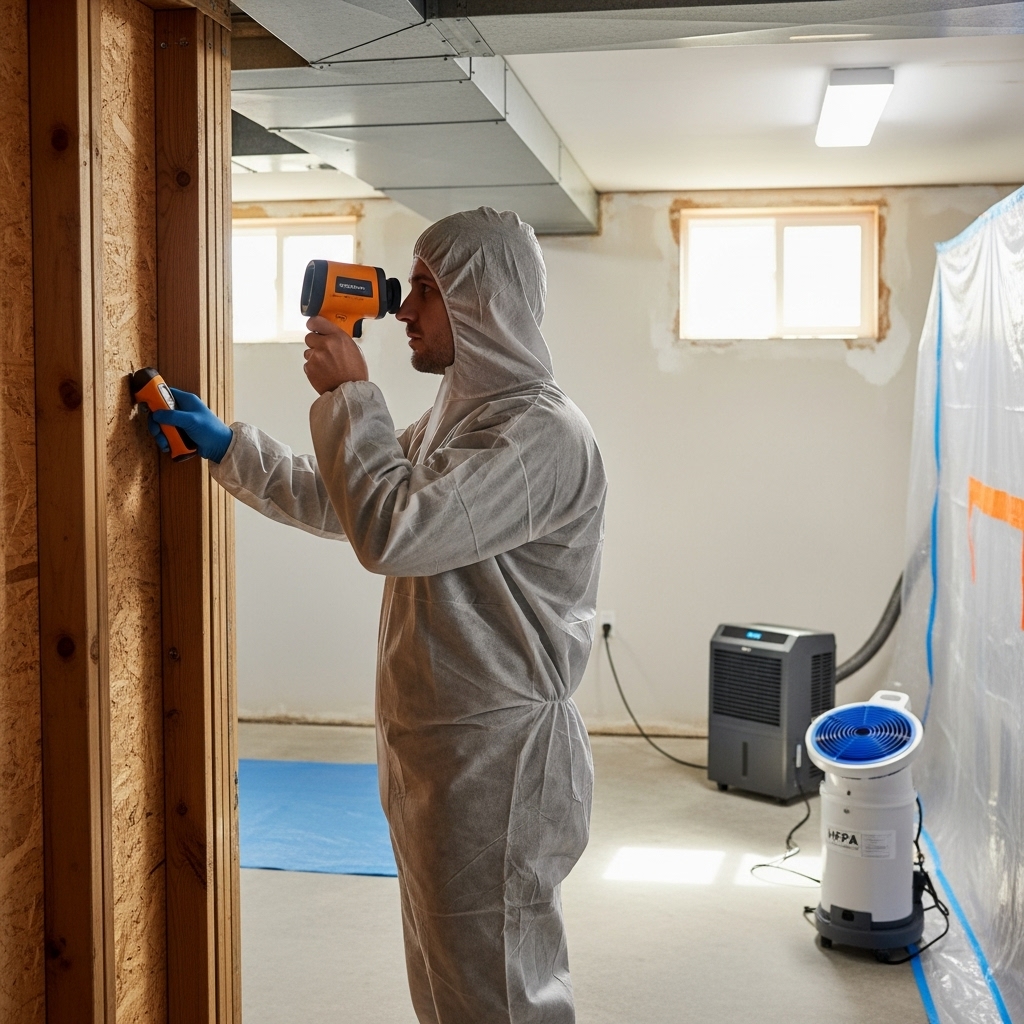
Moisture mapping: Using moisture meters and thermal imaging, the inspector identifies wet building materials and tracks anomalies behind surfaces without unnecessary demolition.
Ventilation review: Bathrooms, kitchens, basements, and laundry areas get special attention. Exhaust fans and dryer vents must terminate outdoors. Cross-ventilation and air changes are considered in basements and crawl spaces.
Attic and exterior checks: Roof penetrations, flashing, soffit vents, and gutters are examined for evidence of water ingress. Inadequate attic ventilation or compressed insulation can create condensation and mold-friendly conditions.
Sampling when indicated: Not every inspection requires laboratory testing. However, when growth is widespread, hidden, or disputed, professionals may collect air and surface samples to characterize the extent of contamination and guide the remediation plan.
From Inspection to Mitigation: Building a Targeted Plan
No two properties are identical, and the best mitigation plan addresses root causes first. Once moisture sources are identified, professionals outline scopes for containment, removal, cleaning, and drying. A strong plan sets measurable goals, including moisture targets for materials, cleanliness standards, and post-mitigation verification steps to ensure success.
Core Principles of Mold Mitigation
Source control: Stopping the water intrusion is nonnegotiable. Roof leaks are repaired, plumbing faults corrected, and ventilation improved. Without source control, mitigation cannot succeed.
Containment: To prevent cross-contamination, technicians isolate affected zones with plastic barriers, create negative pressure using HEPA-filtered air machines, and establish controlled entry points.
Removal of damaged materials: Heavily colonized porous materials such as drywall and carpet are typically removed in a controlled manner. Non-porous items may be cleaned and disinfected, while semi-porous materials are evaluated case by case.
HEPA vacuuming and cleaning: Thorough HEPA vacuuming, damp wiping, and appropriate cleaning agents remove settled spores and residues from surfaces and contents within the containment area.
Drying and dehumidification: Professional drying equipment reduces material moisture content to target levels. Dehumidifiers maintain conditions that discourage regrowth while repairs and finishing progress.
Post-mitigation verification: Visual inspections, moisture readings, and, when appropriate, air or surface sampling confirm that the space is clean, dry, and ready for restoration.
Midway through any project, your provider should communicate milestones clearly. This is the right moment to revisit the indoor environment strategy, including ventilation upgrades and long-term humidity control. If you need a reliable partner for these steps in Bloomfield, professional mold mitigation services can coordinate inspection findings with a targeted cleanup and drying plan.
Rooms and Materials Most at Risk in Bloomfield
Basements and crawl spaces: These areas often suffer from poor ventilation, foundation seepage, and condensation on cool masonry. Watch for musty odors, efflorescence, and discoloration on joists and sill plates.
Bathrooms and kitchens: High humidity from showers and cooking requires robust exhaust. Leaky supply lines, dishwasher hoses, and sink traps are frequent culprits.
Attics: Inadequate insulation or soffit ventilation can drive condensation on sheathing. Exhaust fans must vent outdoors, not into the attic cavity.
Exterior walls: Wind-driven rain and flashing issues allow moisture to infiltrate. Thermal bridging and improperly installed vapor barriers can also cause condensation behind drywall.
Do-It-Yourself vs. Professional Mitigation
Small, superficial mold on non-porous surfaces can sometimes be addressed by homeowners. Yet hidden moisture or growth spanning multiple rooms requires professional containment, negative air management, and demolition expertise. Mistakes—such as tearing out moldy drywall without containment—can aerosolize spores and spread contamination, making the eventual cleanup more complex.
Preventing Recurrence: Practical Strategies
Control humidity: Keep indoor relative humidity generally between 30% and 50%. Use dehumidifiers in basements and during humid seasons. Avoid oversized humidifiers in winter.
Improve ventilation: Ensure that bathrooms and kitchens exhaust outdoors. Verify that attic vents and soffits are unobstructed. Consider adding mechanical ventilation if air changes are insufficient.
Maintain exterior drainage: Clean gutters, extend downspouts, and ensure soil slopes away from the foundation to reduce seepage risks.
Seal penetrations: Caulk around windows, doors, and utility penetrations. Replace damaged flashing and weatherstripping to keep rain out.
Schedule routine inspections: After major storms or freeze-thaw cycles, check attics, basements, and utility rooms for signs of leaks or condensation.
Working With Insurance and Documentation
When water events occur, timely action and meticulous documentation—photos, moisture readings, and service records—can help demonstrate the need for professional work. Keep receipts and inspection reports organized. Note the initial moisture readings and the dry, post-mitigation values so you can prove that the property was returned to normal moisture conditions.
Seasonal Considerations in Bloomfield
Spring and summer: High humidity and thunderstorms require vigilant dehumidification, fast response to leaks, and adequate cooling system maintenance. Change HVAC filters regularly and keep condensate lines clear.
Fall and winter: As temperatures drop, air becomes drier, but indoor activities can still generate moisture. Inspect attic insulation and ventilation before the coldest months and ensure humidifiers are set appropriately to prevent window condensation.
Frequently Asked Questions
Q: How long does a typical mold inspection take? A: Most inspections of a single-family home in Bloomfield can be completed the same day, with more complex buildings requiring additional time for testing and analysis.
Q: Do all projects require laboratory sampling? A: Not necessarily. Many projects rely on visual findings and moisture data. Sampling is used to answer specific questions, confirm cleanliness after mitigation, or provide documentation.
Q: Can I stay in my home during mitigation? A: It depends on the scope and the areas affected. Professionals will establish containment to isolate work zones. For extensive projects, temporary relocation may be more comfortable.
Q: Is dark or black mold always dangerous? A: Color alone does not determine risk. The key is to address moisture quickly, remove growth safely, and verify cleanliness and dryness afterward.
Q: What ensures the problem will not return? A: Successful mitigation pairs removal with moisture control. Fix leaks, maintain ventilation, and keep relative humidity in a healthy range.
What to Expect From a Qualified Provider
Transparency, detailed scopes, and clear communication are hallmarks of a quality team. Look for a provider who explains containment boundaries, demolition methods, cleaning procedures, drying targets, and verification criteria. You should receive a written plan that ties inspection data to action steps and timelines, along with guidance on preventive maintenance once the space is restored.
Get Professional Help in Bloomfield
Whether you have a stubborn attic odor, a recurring basement moisture issue, or visible staining after a leak, it pays to act promptly and decisively. Schedule a thorough inspection and a mitigation plan tailored to your property’s materials, layout, and ventilation. For responsive, local expertise you can count on, contact trusted mold mitigation services to restore a healthier indoor environment and help safeguard your investment for the long term.