Home is where you should breathe easiest. Yet, seasonal humidity, older basements, and sudden storms can challenge even well‑maintained houses in Bloomfield, New Jersey. When mold takes hold, homeowners need a plan that protects family health, preserves finishes and furnishings, and prevents the problem from rebounding the next time the weather swings. This homeowner‑focused guide explains what to expect from professional mitigation, how to prepare your household, and the simple habits that keep your home clean and dry.
Effective mitigation is not a single product or quick wipe. It is a coordinated process—assessment, containment, negative air, careful removal, detailed cleaning, and moisture control—implemented by trained professionals. Teams who specialize in reliable mold mitigation services take a family‑first approach: they plan traffic routes, protect belongings, schedule noisy phases thoughtfully, and communicate clearly so you can carry on with daily life.
Why mold shows up in otherwise tidy homes
Mold feeds on cellulose and other organics found in drywall paper, framing, dust, and fabric. It only needs persistent moisture to thrive. In Bloomfield, that moisture may come from basement seepage after heavy rain, condensation on cold pipes and ducts, bath steam without adequate exhaust, or tiny leaks that go unnoticed for weeks. Even spotless homes can harbor hidden dampness behind walls or under flooring, especially where insulation and air sealing are incomplete.
Health and comfort considerations for families
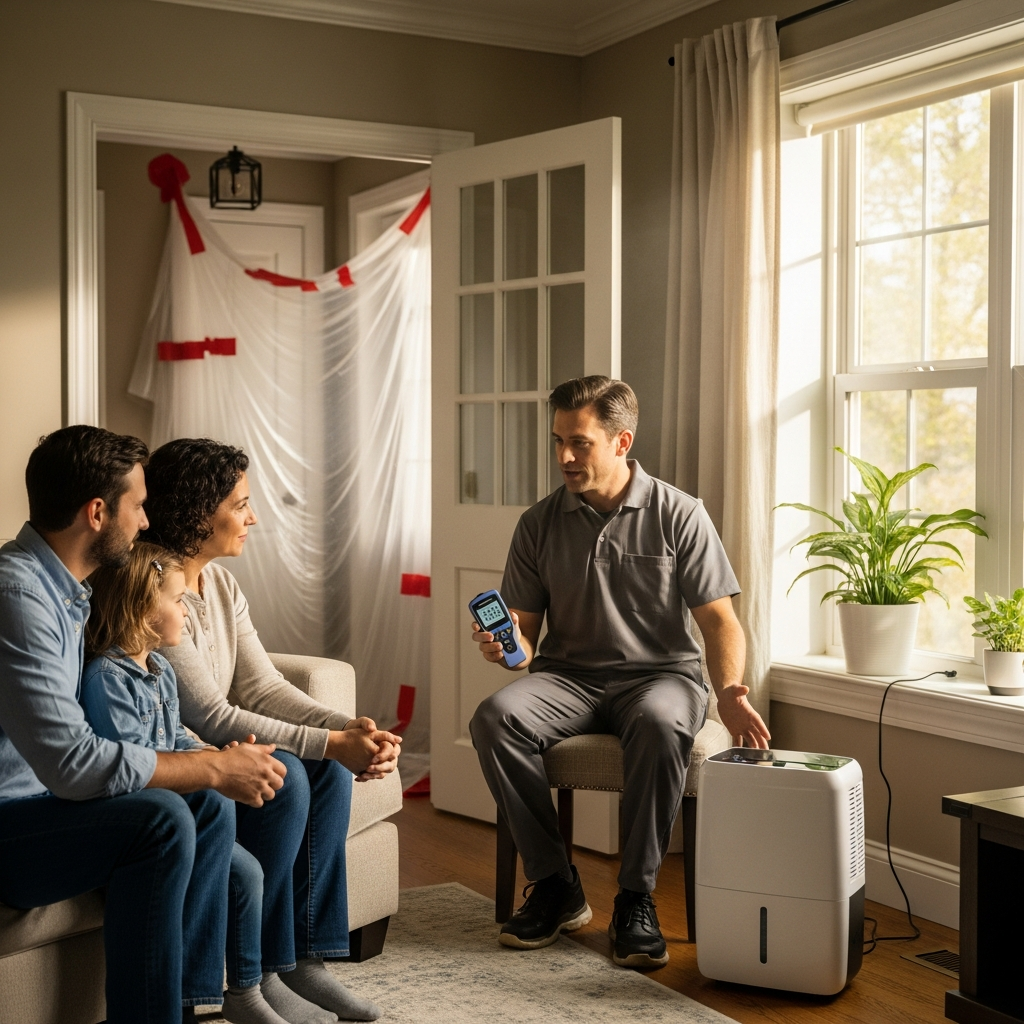
While mitigation focuses on the building, homeowners care most about daily comfort and well‑being. Containment and filtration reduce particles in living spaces, and thoughtful scheduling avoids the most disruptive moments. Sensitive individuals—children, seniors, or those with respiratory conditions—may prefer to be off‑site during demolition. Good providers help you plan around school, work, and caregiving routines so the process feels manageable.
What professional mitigation typically includes
- Structured assessment that maps visible and suspected areas with moisture readings.
- Containments sized to affected zones with sealed seams and zipper doors for controlled access.
- Negative pressure and HEPA filtration to keep particles inside the work area.
- Selective removal of unsalvageable porous materials to a clean, dry margin.
- Stage‑by‑stage cleaning—HEPA vacuum, wet‑wipe, and final HEPA vacuum after drying.
- Moisture correction through dehumidification, ventilation improvements, and targeted insulation.
- Verification via visual inspection, readings, and documentation you can keep.
Preparing your household step by step
- Declutter and remove small personal items from rooms on the work path.
- Plan short‑term arrangements for pets, and consider quiet zones for naps or remote work.
- Share any chemical sensitivities so cleaners can be selected accordingly.
- Identify power sources for equipment and clear access to the electrical panel.
- Decide who will be the household point of contact to streamline communication.
Protecting belongings and finishes
Pros will cover floors along traffic paths and create a clean staging area for tools. They will advise whether furniture should be moved or protected in place. Soft goods in affected rooms may be bagged or removed temporarily to prevent contamination. Ask how they will protect HVAC returns and supply registers so particles are not drawn through the house.
What to expect day by day
On setup day, expect protective coverings and containments to appear quickly. Air machines create a steady white noise as negative pressure and filtration begin. Demolition follows for any damaged drywall, carpet, or trim. Cleaning and drying occur in cycles, with technicians monitoring humidity and material moisture. You will receive updates at key milestones—containment complete, demolition complete, drying targets met, final cleaning done—so you always know what is next.
How mitigation helps prevent a repeat
Mitigation addresses the immediate contamination and, crucially, the underlying moisture. Teams propose practical steps tailored to your home: adding bath fans or ensuring they vent outdoors, improving gutter and downspout performance, adding insulation to pipes or cold walls to minimize condensation, and maintaining dehumidification during humid months. These changes turn a one‑time cleanup into lasting resilience.
Simple prevention habits for homeowners
- Vent showers and laundry to the exterior, and run fans long enough to flush moisture.
- Maintain indoor relative humidity below 50% with a dehumidifier where needed.
- Check gutters, downspouts, and grading seasonally to direct water away from the foundation.
- Insulate cold pipes and ducts to reduce condensation.
- Use a hygrometer in basements and bathrooms to monitor humidity at a glance.
- Store items off basement floors and a few inches from walls to promote airflow.
Choosing a homeowner‑friendly provider
Beyond technical competence, look for excellent communication and respect for your routines. Ask how crews will label zones, manage daily cleanup, and protect children and pets from entering work areas. Request local references and photos from similar homes. A clear, written plan and a courteous site lead who answers questions promptly often make the biggest difference in your experience.
Special considerations for finished basements
Finished basements are common in Bloomfield and can trap moisture behind paneling, cabinetry, or foam‑backed flooring. Providers should understand how to deconstruct finishes carefully, preserve salvageable elements, and redesign airflow during drying so hidden cavities receive attention. After mitigation, consider vapor‑smart materials and improved drainage outside to reduce future risk.
What families with pets should know
Noise and new barriers can stress animals. Plan a quiet area away from work zones, or arrange day care during demolition. Communicate with the crew about door discipline so pets do not enter contained areas. Ask about product selection and ventilation to ensure comfort for animals with sensitivities.
Coordinating with independent testing
Some homeowners choose third‑party testing for added assurance. Independence supports objectivity, and good mitigation teams welcome collaboration. Coordinate so baseline samples are taken before demolition and post‑work sampling happens after final cleaning and sufficient equipment run time.
Frequently Asked Questions
Q: Do I need to leave my home during mitigation?
A: Often you can stay. Containments and negative pressure keep particles in the work zone. Families with sensitivities may prefer to be away during demolition or heavy cleaning; your provider can plan schedules accordingly.
Q: How long does the process take?
A: Many projects span several days from setup through final verification, with equipment sometimes running beyond active cleaning to stabilize humidity and capture residual particles.
Q: Will I have to replace all affected materials?
A: Not necessarily. Porous materials that are colonized or structurally compromised are removed. Semi‑porous or non‑porous items may be cleaned effectively. Decisions are based on condition, material type, and moisture readings.
Q: Can paint or sealant prevent mold on its own?
A: Coatings can help protect clean, dry surfaces but are not substitutes for moisture control. Address humidity and water intrusion first, then use finishes as part of a broader strategy.
Q: What documents should I receive at the end?
A: Expect photos, moisture and humidity logs, equipment records, and tailored prevention guidance you can follow season to season.
Confidence for the long haul
Homeowners who understand the process are empowered to make good choices, prepare efficiently, and keep results strong for years. With a plan that blends technical rigor and family‑friendly communication, you can turn a stressful discovery into a straightforward home‑care project—and come out with a healthier, drier living space.
Support for Bloomfield homeowners
When you are ready for a practical, family‑first plan, connect with a local team that delivers dependable mold mitigation services. From respectful setup to moisture‑smart prevention, the right professionals will restore clean air and protect your Bloomfield home through every season.