Home is where you should breathe easy, but when mold gains a foothold, comfort and health can quickly feel compromised. In Bloomfield, New Jersey, many homes feature basements, older bathrooms, and unique attic configurations that create microclimates where moisture lingers and spores can thrive. When that happens, prompt action guided by residential specialists helps protect your family, your finishes, and your investment. Experienced providers of mold mitigation services know how to identify sources, isolate the affected areas, safely remove contaminated materials, and implement prevention strategies suited to local housing conditions.
Residential mitigation is tailored to daily routines, pets, children, and the personal belongings that make a house a home. The process prioritizes safety and discretion, with clean work practices, clear communication, and a plan that gets life back to normal as soon as possible. From bathrooms with limited ventilation to basements that struggle with humidity during New Jersey summers, home-focused strategies deliver long-lasting results.
Why Mold Appears in Bloomfield Homes
Mold requires moisture, a food source, and time. Homes offer many organic materials—paper-faced drywall, wood framing, cellulose insulation, carpet backing—that become vulnerable when damp. Bloomfield’s weather cycles, especially humid summers and cold winters, can inadvertently create these damp conditions. Warm indoor air meeting cool surfaces leads to condensation. Small plumbing leaks under sinks, around toilets, or behind walls may go unnoticed until stains or odors appear. In basements, seepage after a storm or inadequate dehumidification can sustain humidity just high enough for spores to settle and colonize.
Ventilation is a frequent culprit. Bathroom fans that run briefly—or vent into attics rather than outdoors—allow moisture to linger. Clothes dryers venting improperly can elevate humidity. In older houses with minimal insulation, temperature fluctuations create cooler surfaces that attract condensation. A residential mitigation plan addresses both the visible growth and the conditions that fuel it.
Room-by-Room Residential Challenges
Each space brings its own considerations. Bathrooms and laundry rooms see frequent moisture. Kitchens present plumbing and appliance lines that can drip. Basements need consistent humidity control and sometimes improvements to exterior drainage. Attics require balanced intake and exhaust ventilation, properly vented bath and kitchen fans, and insulation that prevents warm, moist air from condensing on sheathing.
Bedrooms and living areas may develop issues around windows, especially where heavy curtains limit airflow or where condensation forms on cooler glass during winter. Closets on exterior walls can trap moisture when tightly packed. Professional mitigation looks beyond the obvious to safeguard each zone.
How Residential Mitigation Works
- Discovery and assessment: A trained technician reviews concerns, performs a visual inspection, and gathers a moisture history, noting any past leaks or weather events.
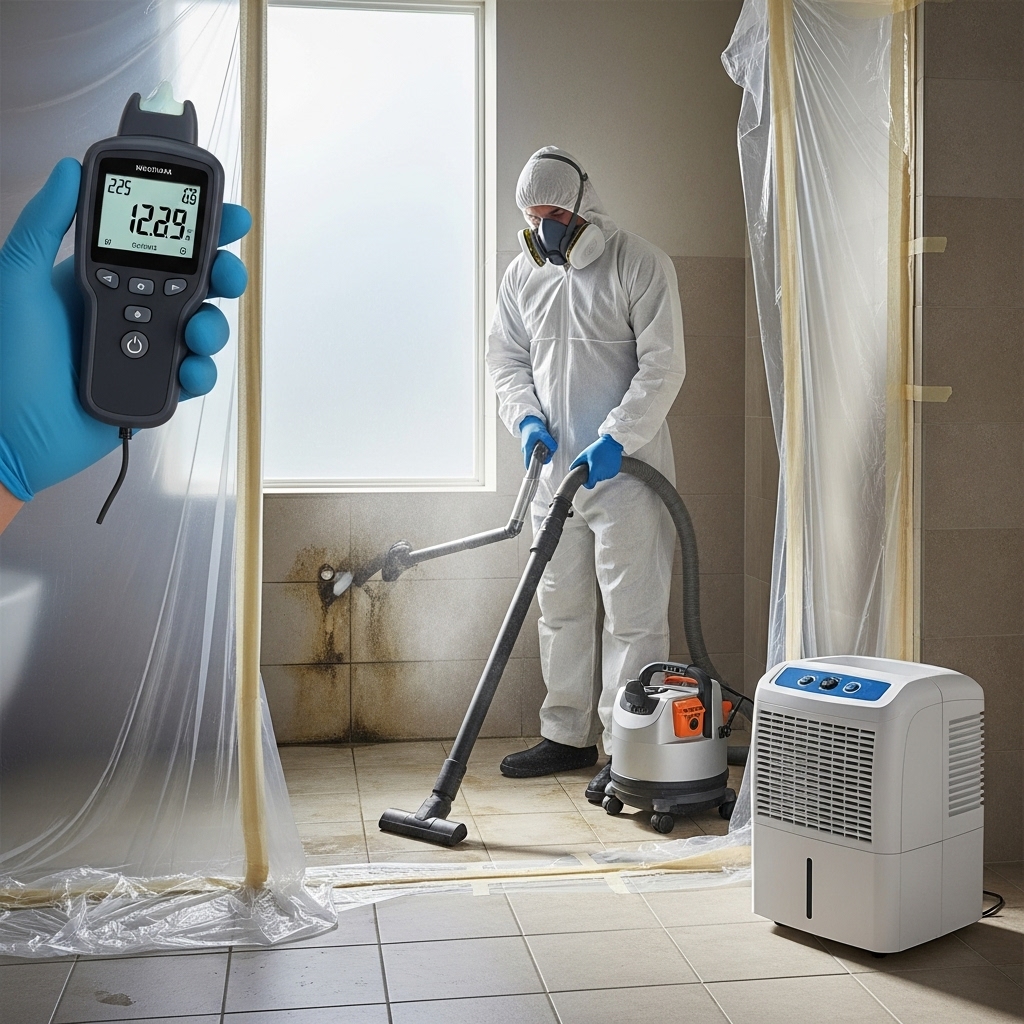
- Instrumentation: Moisture meters and thermal imaging help reveal hidden dampness, mapping areas that require removal or drying.
- Containment: Poly sheeting and controlled entry points isolate work zones. Negative air machines with HEPA filtration control airborne particles during removal.
- Protection of belongings: Furniture and personal items are covered or relocated as needed. Dust control measures protect adjacent spaces.
- Removal and cleaning: Severely affected porous materials are removed; salvageable surfaces are HEPA vacuumed and wiped. Careful handling of debris helps maintain a clean home.
- Drying: Professional dehumidifiers and directed airflows bring materials to normal moisture levels.
- Verification and guidance: Technicians verify visually and with meters that surfaces are clean and dry, then provide recommendations to help prevent recurrence.
This approach balances thoroughness with respect for your routines. Communication ensures you know what will happen, why it matters, and how long each stage is expected to take.
Family and Pet Considerations
Residential projects account for schedules, sensitivities, and safety. If children, elderly family members, or pets are present, your provider will recommend the best timing and access plan. Containment and air filtration protect living spaces, and clear signage can help everyone steer clear of work zones. The goal is to minimize disruption while enhancing safety and comfort.
Common Residential Sources and Fixes
- Bathroom humidity: Use exhaust fans during showers and for 20–30 minutes afterward; verify they vent outdoors.
- Kitchen moisture: Vent ranges effectively; monitor under-sink fittings for slow drips.
- Laundry rooms: Ensure dryers vent to the exterior; check hoses and connections regularly.
- Basements: Employ dehumidifiers, maintain gutters and downspouts, and check for perimeter seepage after storms.
- Attics: Confirm that bath and kitchen fans do not terminate in the attic; balance intake and exhaust ventilation.
- Windows and doors: Address drafts and condensation with weatherization and humidity control.
- Plumbing: Replace aging supply lines, especially to ice makers, dishwashers, and washing machines.
By resolving these contributors, you reduce the likelihood of recurrence and keep indoor air fresher.
Cleaning vs. Removal: What Stays and What Goes
Whether a material can be cleaned depends on its porosity and the extent of colonization. Non-porous surfaces like metal, glass, and many plastics can typically be cleaned effectively. Semi-porous materials such as wood framing may be cleaned if structurally sound. Porous items like drywall, carpet, and certain insulation types often require removal when significantly impacted. A home-focused team helps you weigh these decisions with clarity and care.
Documentation You Can Use
Residential mitigation concludes with documentation: photos, moisture readings, and a description of the work performed. This record can be valuable for personal files and future maintenance decisions. It also serves as a roadmap for preventive steps like adding ventilation, sealing penetrations, correcting grading, or installing a properly sized dehumidifier.
For many Bloomfield homeowners, renovating an older bathroom, finishing a basement, or updating attic ventilation are moments when preventive improvements can be integrated efficiently. Partnering with a team that offers comprehensive mold mitigation services ensures these upgrades are tied directly to moisture control goals rather than done piecemeal.
Prevention: Habits That Make a Difference
- Maintain indoor relative humidity in a comfortable range; use dehumidifiers and ventilation as needed.
- Run bath fans during and after showers; clean fan grilles and check for adequate airflow.
- Keep basement storage off the floor and away from walls to encourage circulation.
- Use lids while cooking and run the range hood to reduce steam.
- Check under sinks monthly for drips; tighten fittings proactively.
- Inspect window sills and frames seasonally, particularly after temperature swings.
- Replace HVAC filters regularly and schedule routine tune-ups.
These everyday steps, combined with structural improvements where needed, deliver durable outcomes.
Bloomfield-Specific Residential Insights
Homes in Bloomfield range from early-20th-century colonials to newer townhomes and multifamily buildings. Older homes may feature plaster walls, knob-and-tube legacy modifications, and unique rooflines, each with its own moisture dynamics. Newer constructions can be tighter, making balanced ventilation critical. Basements—finished or unfinished—often benefit from dehumidification, sump pump upkeep, and vigilant gutter maintenance to keep exterior water away from the foundation.
Residential specialists who know local housing trends anticipate common vulnerabilities. That familiarity helps streamline both the mitigation plan and long-term prevention.
Frequently Asked Questions
Q: Can I stay in my home during mitigation? A: Often, yes. With containment and negative air, work can proceed while adjacent spaces remain usable. Your provider will advise on the safest arrangements.
Q: Do I need testing? A: Many residential projects are based on visible findings and moisture readings. Testing may be recommended in specific scenarios or requested for peace of mind and documentation.
Q: How do I know if the problem is fixed? A: Visual clarity, normal moisture levels, and the absence of musty odors are good indicators. Documentation and, when appropriate, third-party verification add assurance.
Q: Will you protect my belongings? A: Yes. Residential teams cover, move, or isolate items as needed to keep dust contained and surfaces protected.
Q: What happens if hidden growth is discovered mid-project? A: The scope is updated with your approval. Clear communication ensures there are no surprises and that all affected areas are addressed.
Q: Can mold return? A: If moisture control lapses, mold can reappear. Prevention is key: ventilation, repairs, and humidity control sustain the benefits of mitigation.
Move Forward with Confidence
If you suspect mold in your Bloomfield home, don’t wait for it to spread. Choose a provider that understands residential routines, communicates clearly, and aligns work with long-term prevention. To partner with a team experienced in delivering reliable mold mitigation services, schedule an assessment today and take the next step toward a healthier, more comfortable home.