When mold appears in your home, speed and precision matter. Yet, the difference between a quick cleanup and a lasting solution often comes down to the caliber of the company you choose. In and around Bloomfield, New Jersey, top‑rated providers stand out not only for their reviews but also for their process discipline, transparency, and mastery of building science. This guide breaks down the hallmarks of high‑performing teams so you can recognize excellence, ask sharper questions, and select a partner who will protect your home today and prevent problems tomorrow.
Online ratings can be useful, but stars alone do not tell the full story. The best providers delivering professional mold mitigation services demonstrate excellence through documented procedures, measurable results, and consistent communication. They treat your home like a system, where airflow, temperature, and moisture interact. They anticipate how Bloomfield’s climate and common construction details—from finished basements to attic knee walls—affect both risk and remediation steps.
What separates the top tier from the rest
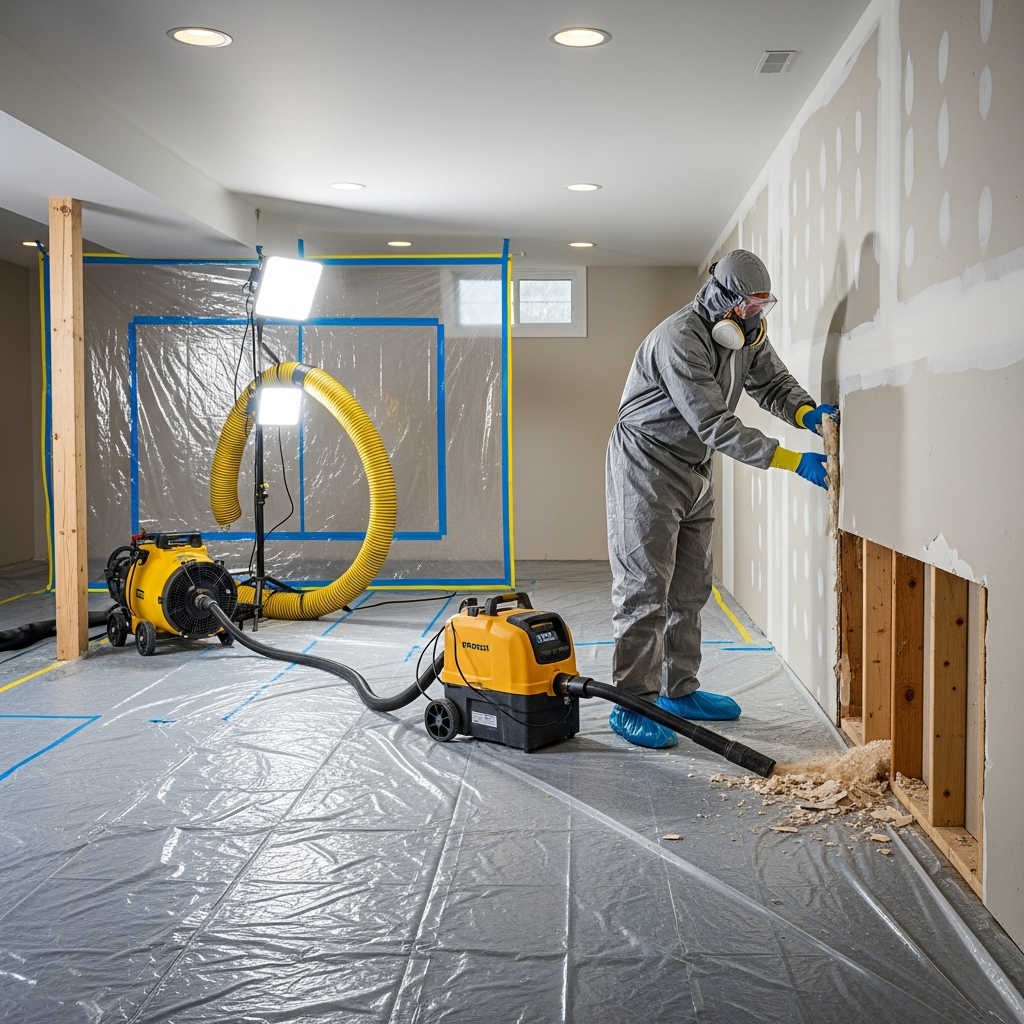
Top‑rated teams earn trust by turning complex situations into predictable outcomes. They walk into a damp basement and quickly map the moisture pathways; they design containment that fits your layout; they use HEPA filtration sized for the space; and they verify progress with readings rather than guesswork. They do not rely on masking odors or surface‑level fixes. Their proposals are clear, their crews are trained, and their documentation is thorough.
Reliable indicators of quality
- Detailed, written scope that explains containment, negative air, cleaning, removal, and drying targets.
- Calibrated instruments—moisture meters, hygrometers, and manometers—and staff who can explain readings.
- HEPA filtration plans with air changes per hour appropriate to room volume and activity level.
- Proactive protection of HVAC systems through sealing, filters, or temporary shutdowns.
- Local references and case photos that show before, during, and after conditions.
- Safety culture that includes PPE, decontamination zones, and clean job sites at day’s end.
Understanding the process you should expect
After inspection, you should see a plan that begins with isolation of the work area. Barriers go up, seams are sealed, and a negative pressure environment directs particles into filtration rather than into adjacent rooms. Porous, contaminated materials are removed in a controlled manner. Semi‑porous and non‑porous surfaces are cleaned in stages, with HEPA vacuuming and wiping after appropriate drying. Throughout, humidity is tracked and managed. Final inspections ensure cleanliness and dryness, and any optional testing is coordinated to reflect steady‑state conditions.
What top‑rated companies often do differently
- They customize containment to respect architectural quirks—angled stairwells, built‑ins, or shared mechanical closets.
- They use pressure monitoring or smoke tests to confirm negative air instead of assuming it.
- They foresee moisture sources and recommend corrective steps tailored to your home—improved bath ventilation, exterior grading, or insulation at condensation points.
- They maintain a photo log you can review daily, building trust and shared understanding.
- They provide post‑project maintenance guidance so your results last beyond the cleanup.
Signs you are dealing with mediocrity
- Vague or verbal‑only plans.
- Overreliance on chemicals or fragrances without physical removal of contamination.
- No mention of negative air or HEPA filtration.
- Dismissive attitude toward moisture control or ventilation improvements.
- Unwillingness to coordinate with independent testing when appropriate.
How local expertise benefits Bloomfield homeowners
In northern New Jersey, seasonal swings encourage condensation, while older basements frequently wick moisture through masonry. Experienced local providers understand how finished basements trap humidity behind paneling, how attic bypasses encourage heat and moisture to meet on cold sheathing, and how minor grading issues send water toward foundations. This context informs smarter containment layouts, better demolition margins, and realistic drying strategies that respect the building’s physics.
Reading reviews with a critical eye
Look beyond the star count. Read for evidence of process and professionalism: Did the company explain each step? Were they punctual and tidy? Did they offer photo documentation and readings? Did they respond quickly to changes or discoveries mid‑project? Do reviewers describe lasting results months later? Patterns in stories matter more than a single glowing or negative comment.
Questions that reveal real competence
- How many air changes per hour will your negative air setup achieve in this space?
- What are your criteria for removing versus cleaning semi‑porous materials?
- How do you protect the rest of the home, especially HVAC systems, during the job?
- What moisture targets do you set for wood and drywall before reassembly?
- How will you document progress so I can follow along?
What to expect during the project
Great teams are as predictable as they are thorough. They arrive with clean, labeled equipment; walk you through the plan; set up protection along traffic paths; and maintain communication at milestones—containment complete, demolition complete, drying targets met, final cleaning done. You should know who the site lead is and how to reach them. Daily housekeeping and debris management keep the rest of your home functional and tidy.
Mid‑project decision points
Sometimes opening a wall reveals additional wet materials or a previously unknown leak. Top‑rated providers present findings with photos, explain options, and update the scope in writing. They also assess whether airflow or dehumidification needs adjustment to meet targets. When comparing nearby mold mitigation services, prioritize those who communicate changes immediately and align on the next steps before proceeding.
Aftercare that sustains results
Post‑mitigation success relies on moisture management. Keep indoor humidity below 50%, vent bathrooms and dryers outdoors, insulate cold pipes, and check gutters and downspouts seasonally. Consider a simple hygrometer for basements and bathrooms. Keep storage a few inches off basement floors and away from exterior walls to allow airflow and early detection of dampness.
How to prepare your household
- Clear access routes and remove small items from affected rooms.
- Plan for pet care and limit access to the work zone.
- Identify available circuits for equipment to prevent tripping breakers.
- Share any sensitivities to cleaning agents so products can be selected appropriately.
Working with independent testers
Third‑party testing can complement mitigation by providing baseline and post‑work data. Independence supports objectivity, and good providers welcome collaboration. Coordinate sampling so airflow has stabilized and final cleaning is complete for the most meaningful results.
Frequently Asked Questions
Q: Are top‑rated companies worth the extra coordination?
A: Yes—strong process control, clear communication, and tailored moisture solutions typically mean better outcomes and fewer callbacks. Predictability reduces disruption and protects unaffected rooms.
Q: Can I remain at home during the project?
A: Often you can, because containment and negative pressure keep particles within the work zone. Sensitive individuals may choose to be away during demolition or heavy cleaning.
Q: How do I verify quality as a homeowner?
A: Request photos, moisture readings, and a daily summary of work completed. Ask how containment integrity is confirmed and how HEPA units are monitored.
Q: What if new areas are discovered mid‑project?
A: Expect a written change order with photos, revised containment, and updated drying targets. Transparency helps you make informed choices quickly.
Q: Will the problem come back?
A: If moisture persists, growth can return. Pair mitigation with long‑term humidity control, ventilation improvements, and exterior water management for durable results.
Your path to a top‑tier outcome
Excellence is measurable. When you focus on process, documentation, and moisture control, you can distinguish standout providers from the rest. Use the questions and indicators in this guide to select a team that delivers predictable, lasting results tailored to Bloomfield homes.
Take the next step with confidence
Partner with a nearby expert that delivers proven mold mitigation services. From precise containment to moisture‑smart prevention, the right team will restore healthy air and protect your property through every season in Bloomfield, New Jersey.