
Eliminating a musty smell is only the beginning. Long-term success requires a maintenance program that prevents moisture from returning and stops tiny odor reservoirs from building up. In Bloomfield, New Jersey—where humidity and temperature swings span the seasons—an advanced mold odor maintenance process helps keep indoor air consistently fresh. This guide provides a detailed routine for weekly, monthly, and seasonal tasks, plus monitoring strategies and documentation tips. If you want professional perspective as you design your plan, review local expertise on mold odor and adapt the following schedule to your home’s unique layout.
Guiding Principles
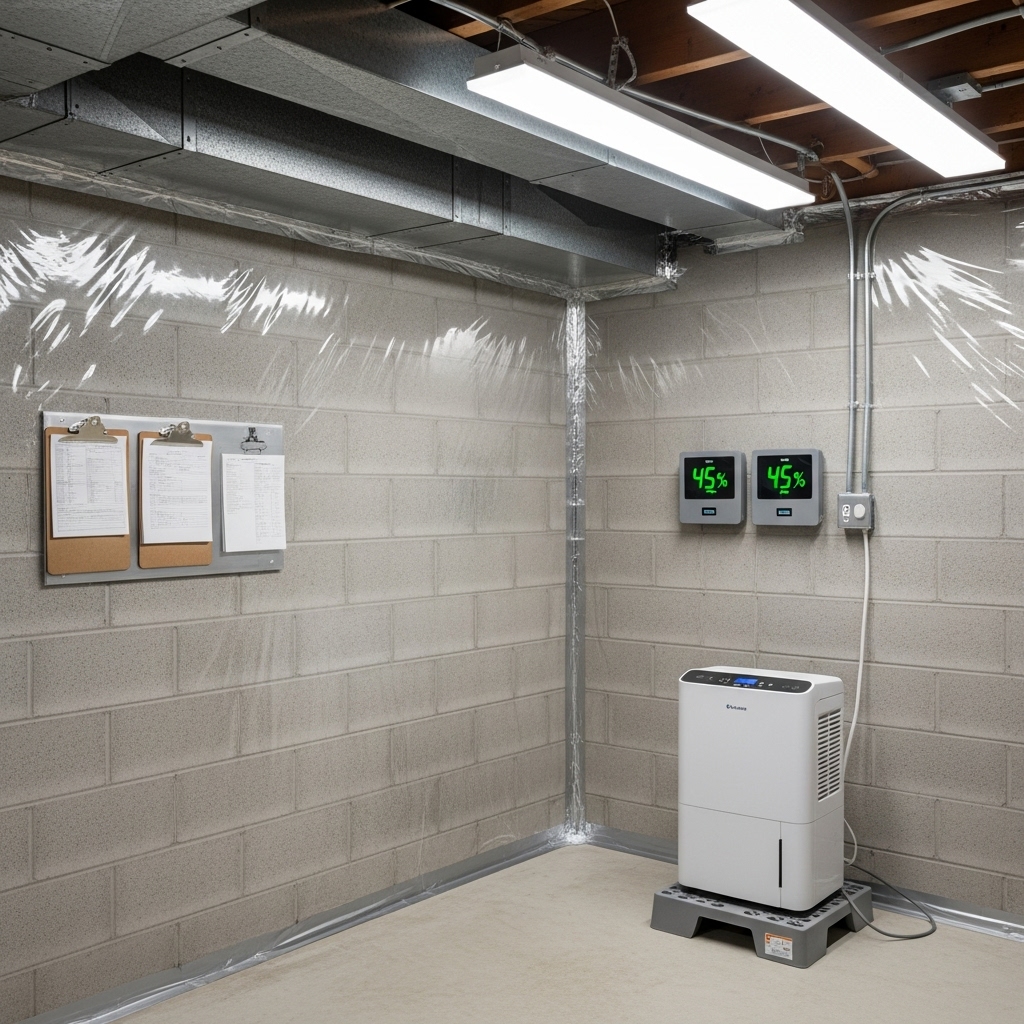
Odor control is moisture control. Every task in this program either prevents water intrusion, speeds drying, reduces dust that can harbor odor compounds, or verifies that conditions remain within target ranges. Build your routine around measurable goals: indoor RH near 45%, dry materials, and clean air movement.
Weekly Tasks
- Humidity check: Use a hygrometer to verify RH in basements, bathrooms, kitchens, and bedrooms stays between 40% and 50%.
- Ventilation routine: Run bath fans during showers and for at least 20 minutes after; run kitchen hoods while cooking.
- Spot inspections: Walk high-risk areas—under sinks, around toilets, near exterior doors, and windowsills—for dampness or odor.
- HEPA touch-up: Vacuum high-traffic floors, baseboards, and return grilles to remove dust reservoirs.
- Dehumidifier care: Empty or verify automatic drain, clean air intakes, and confirm continuous operation during humid weeks.
Monthly Tasks
- Filter changes: Replace HVAC and dehumidifier filters as needed.
- Condensate system check: Confirm clear drains and clean pans on air handlers.
- Plumbing review: Inspect supply lines to dishwashers, refrigerators, and washing machines for seepage or mineral deposits.
- Storage audit: Remove cardboard and store items in plastic bins with lids, especially in basements.
- Odor walk-through: Close windows overnight, then do a “fresh nose” check in the morning to detect subtle issues.
Seasonal Tasks
- Spring: Clean gutters, extend downspouts, and verify grading. Inspect basement walls after heavy rains.
- Summer: Dehumidify continuously as needed; check for condensation on cold surfaces and adjust AC settings.
- Fall: Inspect roof flashing, attic ventilation, and weather seals. Prepare for winter condensation risks.
- Winter: Balance RH to prevent window condensation. Monitor for ice dams and check attics after temperature swings.
Advanced Monitoring
Use data to guide decisions. Place hygrometers in the basement, main living area, and a bedroom. Consider a data-logging sensor to capture RH trends. Keep a simple maintenance log with dates, readings, and notes about any odors detected. Over time, patterns will emerge—like RH spikes during storms or when the HVAC cycles change—that tell you where to focus.
HVAC Optimization
The HVAC system moves air and can distribute odor if components are dirty or damp. Keep return grilles clean, change filters regularly, and clear condensate drains. Inspect accessible ducts for gaps and seal them properly. If musty air appears mainly during system operation, look for return leaks near damp areas and evaluate the coil and pan for biofilm buildup.
Moisture Source Control
- Exterior water management: Maintain gutters and downspouts, ensure water discharges away from the foundation, and verify that soil slopes outward.
- Interior leak prevention: Check valves and supply lines for appliances, and re-caulk around tubs, showers, and sink backsplashes as needed.
- Ventilation assurance: Make sure bathroom and kitchen fans exhaust outdoors and are used consistently.
Cleaning For Prevention
Dust holds odor compounds and nutrients for microbes. HEPA vacuuming followed by light detergent cleaning on non-porous surfaces keeps residues low. Prioritize tops of trim, window sills, closet shelves, and behind appliances—places that accumulate dust and stay cool or damp.
Responding To Minor Incidents
- Spills: Dry within 24 hours. Lift rugs and use fans and dehumidifiers to accelerate drying.
- Condensation: Treat as a leak. Adjust temperature and ventilation, and insulate cold pipes or surfaces.
- Musty items: Remove, clean, and dry thoroughly. If odor persists in porous items, consider replacement.
Mid-Cycle Audit
Twice a year, perform a deeper review: verify that RH targets are met, inspect attic ventilation, check basement walls for new efflorescence, and review your maintenance log for recurring issues. Compare your process with best practices for mold odor to refine your routine and close gaps.
Landlord, Tenant, And Family Coordination
In multi-family homes or rentals, shared responsibility is critical. Landlords should communicate maintenance expectations and respond quickly to leak reports. Tenants should ventilate during moisture-generating activities and report dampness immediately. Families can assign roles—one person monitors RH, another checks filters—so tasks are consistent.
Risk Management And Documentation
Maintain a simple binder or digital folder with RH logs, photos of repairs, and dates of filter changes, leak fixes, and inspections. Documentation helps you catch trends early and provides a record if you ever need to demonstrate proper maintenance.
Frequently Asked Questions
Q: What RH should I maintain in Bloomfield? A: Aim for 40%–50% year-round, adjusting slightly in winter to prevent condensation.
Q: How often should I replace HVAC filters? A: Monthly checks are wise; replace as soon as filters look dirty or by the manufacturer’s interval.
Q: Can I rely solely on dehumidifiers? A: Dehumidifiers help, but leak prevention, ventilation, and cleaning are equally important.
Q: Why does odor return after travel? A: Reduced air movement and elevated RH while the home is closed can allow smells to build. Run dehumidifiers and ventilate upon return.
Q: Do scented products help? A: Fragrances mask odors but do not address moisture. Focus on prevention and source removal.
Q: How do I know if ducts are leaking? A: Look for dust streaks along joints, listen for whistling, and check for temperature or pressure imbalances. Seal as needed.
Q: When should I consult a professional? A: Persistent odors after diligent maintenance, repeated leaks, or evidence of hidden moisture are signals to seek help.
With consistent follow-through, this maintenance process will keep your Bloomfield home fresh across seasons. If you want to streamline your routine or get help with complex issues, connect with a local team experienced in mold odor so you can maintain healthy indoor air and peace of mind long-term.