
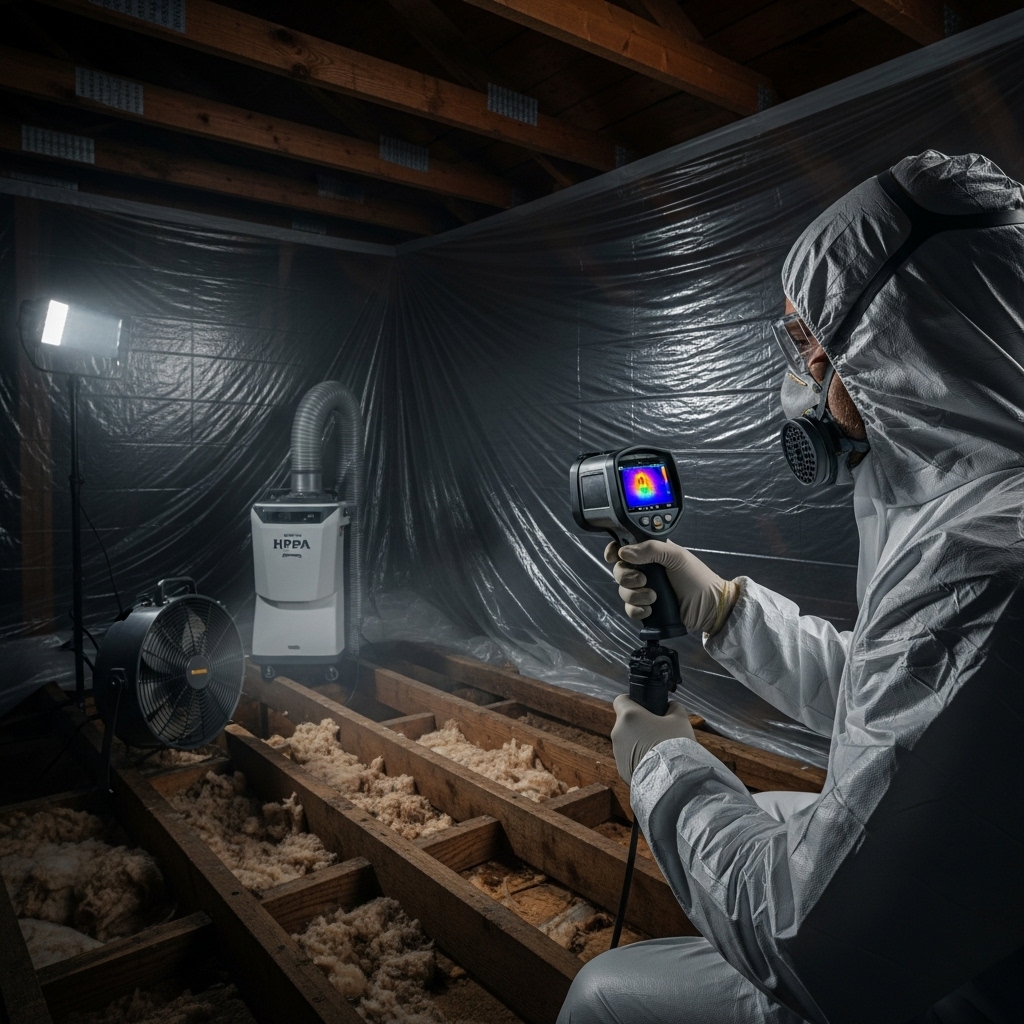
Some mold-related odors surrender to basic drying and cleaning. Others linger despite dehumidification, ventilation, and material replacement. In Bloomfield, New Jersey, where basements, older housing stock, and humid summers combine to challenge indoor air quality, persistent musty smells may require advanced strategies. This guide details elevated steps that go beyond the basics, helping you resolve stubborn odors methodically and safely while minimizing disruption to your household or business.
We focus on root-cause control, targeted removal of odor reservoirs, and performance validation. You will learn when to escalate, how to stage work to avoid cross-contamination, which tools can improve results, and how to confirm success. If at any point you want specialized help, trained professionals can assess and remediate persistent mold odor with precision techniques suited to complex buildings.
When to Consider Advanced Steps
Escalate your approach if odors return after rain despite dehumidification, if they intensify during HVAC operation, if closets or rooms smell musty even with good cleaning habits, or if previous water damage left behind stained or chronically damp materials. Also escalate if occupants experience respiratory irritation or if odors arise from hard-to-access areas like wall cavities, crawlspaces, or ductwork.
Establish Controls Before You Begin
Advanced work benefits from a disciplined setup. Create a work plan that includes source control, containment where appropriate, ventilation strategy, and personal protection. Assign clear roles if multiple people are involved. Protect clean areas by planning traffic routes and staging zones for debris and replacement materials.
Advanced Diagnostics
Moisture Mapping: Use a quality moisture meter to scan suspect surfaces systematically. Mark elevated readings with painter’s tape and record values. Correlate readings with weather and HVAC operation to identify patterns.
Infrared Thermography: A thermal camera can reveal temperature anomalies that suggest hidden moisture, such as cold corners from air leaks or wet insulation. Follow up with direct moisture measurements to confirm.
Airflow and Pressure: Use a simple manometer or engage a professional to assess building pressure. Negative pressure in a basement can draw humid air through cracks, feeding odor problems. Balancing supply and return can reduce this effect.
Containment and Air Management
For localized demolition or cleaning, set up a small containment with plastic sheeting and painter’s tape. Use a box fan in a window to exhaust air from the work area directly outdoors, creating directional airflow that prevents odors and dust from migrating. Where feasible, run a portable air scrubber equipped with a true HEPA filter to capture fine particles during active work.
While whole-home negative pressure systems are typically professional-grade, a simple, well-directed exhaust can significantly reduce cross-contamination in DIY scenarios.
Selective Demolition and Replacement
Persistent odors often hide within porous materials that appear visually clean. Consider selective removal of:
- Baseboard and the first few inches of drywall where past wetting occurred.
- Carpet padding in chronic problem corners or near exterior walls.
- Ceiling tiles and acoustic panels with any history of staining.
- Fiberboard cabinetry components in damp bathrooms or basements.
After removal, allow cavities to dry thoroughly with fans and dehumidifiers. Inspect framing for discoloration or odor and clean as described below before closing up.
Surface Cleaning, Detailing, and Drying
Detail cleaning targets residues that hold odors. Begin with HEPA vacuuming of exposed framing, subfloors, and surfaces. Follow with detergent cleaning using microfiber cloths, working from cleaner to dirtier areas and rinsing cloths frequently. Avoid oversaturation; the goal is to remove residues, not soak materials. Dry thoroughly with directed airflow and dehumidification. In tight cavities, a small blower or register booster fan can move air effectively.
Structural Drying Techniques
Where materials have been wet, speed drying with a combination of dehumidifiers, axial fans for air movement, and temperature control to encourage evaporation. In basements, maintain continuous drainage from dehumidifiers and keep doors ajar to promote circulation. In wall or floor assemblies, carefully drill weep holes at the base (if appropriate) to allow trapped moisture to escape, then patch after drying is complete.
HVAC Deep Hygiene
If odors spike when the HVAC starts, go beyond filter changes. Have coils, drain pans, and condensate lines professionally cleaned. Confirm the slope of the drain pan and the cleanliness of secondary drain paths. Inspect insulation within air handlers and replace if it is degraded or odorous. Seal duct leaks with mastic, insulate ducts in unconditioned spaces, and consider upgrading filtration to a higher MERV rating compatible with your system. Proper condensate management and clean coils are crucial for odor control.
Crawlspace and Basement Upgrades
Advanced control in below-grade spaces can include ground vapor barriers sealed at seams, perimeter drainage improvements, and air sealing of rim joists to reduce humid air infiltration. In some homes, conditioning the crawlspace or encapsulation with mechanical dehumidification stabilizes humidity and cuts off a major odor source. Always pair these upgrades with exterior water management—clear gutters, extended downspouts, and graded soil.
Attic Air Sealing and Ventilation
Attic odors often reflect moisture from interior air leaking into cold spaces. Seal penetrations around lighting, bath fans, and chases with appropriate materials, then verify balanced intake and exhaust ventilation. Replace wet or odorous insulation. If bathroom fans previously vented into the attic, correct the ducting to terminate outdoors and confirm proper airflow with a simple tissue test.
Advanced Validation Methods
Your goal is to prove that odors will not return under typical stress conditions. Validate by:
- Running dehumidifiers to target RH and verifying with hygrometers over several weeks.
- Operating the HVAC in different modes and confirming no odor spikes occur.
- Performing a controlled “wet weather test” by observing odor behavior after natural rain events.
- Documenting before-and-after moisture readings and occupant observations.
Material Choices for Odor-Resistant Renovation
When replacing finishes, choose materials that are less likely to harbor odors. Use tile or sealed luxury vinyl plank in basements instead of carpet. Opt for moisture-resistant backer boards in bathrooms and install high-quality ventilation. Select cabinetry with plywood or moisture-resistant cores rather than particleboard in damp-prone areas.
Middle Review and Course Correction
Halfway through your advanced plan, pause. If the odor persists despite selective demolition and improved drying, reexamine building pressures and overlooked pathways such as stairwells or utility chases. Reassess the HVAC system for hidden condensate issues. When in doubt, a fresh set of eyes—an experienced professional—can identify subtle causes and provide targeted strategies for entrenched mold odor problems.
Frequently Asked Questions
Q: Are oxidizing agents necessary for advanced odor removal? A: Not always. Mechanical removal—demolition of reservoirs, HEPA vacuuming, detergent cleaning, and verified drying—often achieves lasting results. Use stronger agents selectively and with ventilation, following product guidance.
Q: Should I fog the building? A: Fogging can reach complex surfaces but does not replace source removal and drying. If considered, pair it with thorough cleaning and moisture control. Always evaluate material compatibility and occupant sensitivities.
Q: Is duct replacement ever required? A: Yes, if flexible ducts are damaged, contaminated, or impossible to clean effectively. Replacement paired with sealing and insulation in unconditioned spaces can eliminate a persistent source.
Q: How long should validation take? A: Plan to monitor humidity and odor behavior for several weeks and through at least one weather shift. Rushing validation risks missing recurring patterns.
Q: Can building pressure alone cause odors? A: Negative pressure can draw humid, odorous air from crawlspaces or basements. Correcting pressure imbalances and sealing leakage paths often reduces or eliminates odors.
Project Management and Documentation
Treat advanced odor removal like a project. Set clear goals, timelines, and checkpoints. Keep a log of moisture readings, RH trends, work performed, and responses to weather events. Photos and notes help you or a consultant troubleshoot if odors linger. Documentation also supports future maintenance and protects property value by showing proactive, evidence-based care.
Post-Remediation Maintenance
Once odors are resolved, maintain gains with steady humidity control, regular HVAC service, and cleaning routines that target dust and residues. Keep storage organized and elevated off concrete in basements. Use timers on bathroom fans, operate range hoods during cooking, and avoid indoor line-drying of laundry. Review conditions before seasonal transitions and after storms.
Putting It All Together
Advanced odor removal is a layered strategy: diagnose with precision, eliminate reservoirs, manage air and moisture, and validate performance. Each layer reduces the likelihood that musty smells will return. By marrying disciplined process with targeted upgrades, you can restore a consistently fresh indoor environment even in challenging buildings.
Take Control of Persistent Odors
When basics are not enough, do not settle for masking smells. Combine source removal, airflow management, and durable material choices to achieve lasting results. If you want expert confirmation or turnkey support, connect with local professionals who can assess, remediate, and prove success. To explore solutions for entrenched mold odor in Bloomfield properties, take the next step and reclaim healthy, fresh indoor air.