Introduction: Neutralize Mold Odor the Smart Way in Bloomfield, NJ
Mold odor is more than an annoyance—it’s a signal that excess moisture and microbial activity are present somewhere in your home. In Bloomfield, New Jersey, seasonal humidity and mixed-age housing can make musty smells a recurring challenge. The right neutralizers can help, but they work best alongside moisture control and cleaning. If you want an expert strategy from the outset, local pros can guide you through source removal and provide targeted mold odor removal solutions that make neutralizers more effective and long-lasting.
This guide explains how odor neutralizers function, which options are best for different rooms and materials, and how to integrate them into a whole-home plan.
How Mold Odor Neutralizers Work
Musty smells come from volatile compounds produced by microbes and from odor molecules absorbed into porous surfaces. Neutralizers address odor in three main ways: adsorbing molecules (activated carbon and mineral sorbents), oxidizing them (certain cleaners and naturally occurring oxidizers), and refreshing indoor air by filtration and ventilation. While neutralizers can reduce perceived odor, they cannot overcome ongoing moisture or heavy contamination; always pair them with drying, cleaning, and repairs.
Top Neutralizer Categories and When to Use Them
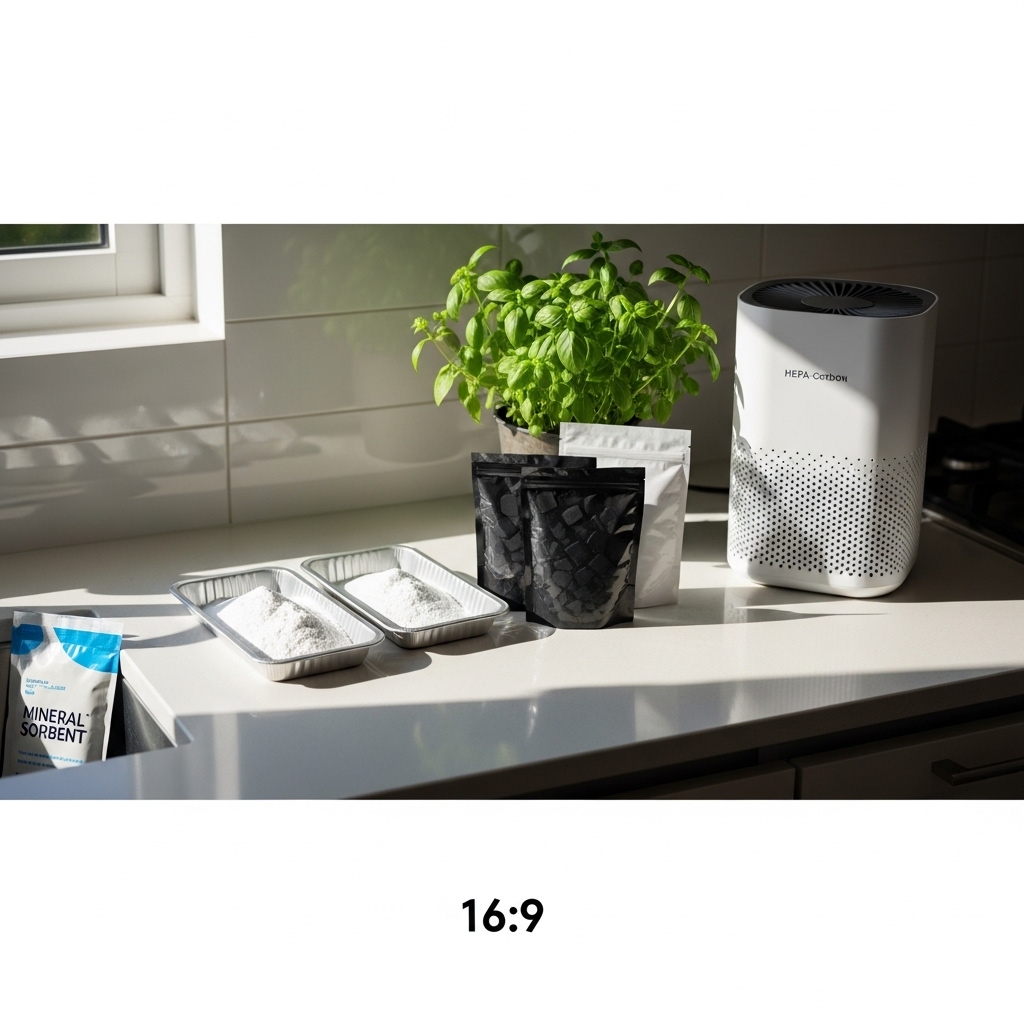
- Activated Carbon: Excellent for capturing a broad range of odor molecules. Use in pouches for closets, inside cabinets, or as filters in air purifiers.
- Mineral Sorbents (e.g., zeolite): Durable, reusable after sunlight exposure in some products, and effective in small spaces like pantries and under-sink cabinets.
- Baking Soda: Affordable and easy to place in shallow trays in refrigerators, closets, or shoe cabinets. Replace periodically.
- HEPA + Carbon Air Purifiers: Combine particle capture with odor adsorption—ideal in bedrooms, living rooms, and finished basements.
- Enzymatic Cleaners: Useful for textiles and soft surfaces to break down organic residues that hold odor.
- Hydrogen Peroxide-Based Cleaners: Oxidize organic films on hard surfaces; follow label directions and test small areas first.
- Ventilation Improvements: Exhaust fans, make-up air strategies, and strategic window use remove stale indoor air and dilute odor concentrations.
Room-by-Room Neutralizer Strategies
- Basements: Pair a dehumidifier with a HEPA-carbon air purifier sized for the room. Place activated carbon near stored textiles and along perimeter shelving. Avoid storing cardboard directly on concrete.
- Bathrooms: Use an exhaust fan during and after showers. For residual mildew smells, clean grout lines thoroughly and place a small mineral sorbent pouch in a cabinet.
- Kitchens: Clean under-sink cabinets, check for drips, and place baking soda or carbon pouches in near-closed areas to capture humidity-driven odors.
- Bedrooms: Use air purification overnight, especially if odor seems stronger when the HVAC runs. Wash curtains and bedding regularly; sunlight helps release trapped odor compounds.
- Closets and Entryways: Hang coats and allow airflow. Place small sorbent bags on upper shelves and avoid overpacking.
Choosing an Air Purifier That Actually Helps
For mold-related odors, look for units that combine a true HEPA filter with a substantial activated carbon stage. The purifier should be appropriately sized for your room’s square footage and have a clean air delivery rate suitable for multiple air changes per hour. Position it where air can flow freely, avoid blocking the intake and outlet, and replace carbon filters as recommended. In finished basements and open-plan rooms, consider units with multiple speed settings to run quietly but continuously.
Neutralizers for Textiles and Soft Goods
Odor frequently lingers in fabrics—rugs, upholstered furniture, curtains, and stored clothing. Launder washable items with a thorough rinse, and air-dry in sunlight when possible. For area rugs and upholstery, a combination of HEPA vacuuming and professional-grade hot water extraction can remove embedded particulates. If an item smells musty even after cleaning and drying, the fibers or padding may be saturated with odor molecules, and replacement might be the most practical solution.
Safe Use and Limitations
- Always tackle moisture first. Neutralizers cannot overcome a damp environment.
- Ventilate during and after cleaning; fresh air dilutes odor and aids drying.
- Avoid heavily perfumed products that mask rather than neutralize odor and may irritate sensitive occupants.
- Test cleaning agents on inconspicuous spots and follow manufacturer instructions.
Integrating Neutralizers with a Whole-Home Plan
Neutralizers work best as one part of a broader strategy. Start with inspection and moisture control—fix plumbing leaks, improve drainage, and dehumidify as needed. Clean hard and soft surfaces thoroughly, then deploy neutralizers to capture residual odor and maintain freshness. Monitor humidity seasonally, and refresh sorbent materials on a schedule.
When to Bring in Help
If odors persist despite diligent drying and neutralizing, there may be hidden reservoirs behind walls, under flooring, or in HVAC components. Specialists can use diagnostic tools to find the problem quickly and safely. For homeowners who want a complete approach—from source control to ongoing maintenance—consider working with a team experienced in mold odor treatment so your neutralizers are part of a coordinated plan.
Frequently Asked Questions
Q: Are charcoal bags reusable? A: Many can be refreshed by placing them in sunlight per manufacturer guidance. Replace them if performance drops off.
Q: Will vinegar remove mold odor? A: Vinegar can help remove mineral films and light surface residues, but it will not solve odor if materials remain damp or contaminated. Rinse surfaces and dry thoroughly.
Q: Do essential oils neutralize mold smell? A: Fragrances may mask odors but do not eliminate the source. Use with caution if anyone is sensitive to scents.
Q: What CADR do I need in an air purifier? A: Choose a purifier rated for your room size with a clean air delivery rate that supports multiple air exchanges per hour. Oversizing slightly can help in open areas.
Q: How long should I run neutralizers? A: Sorbent materials can stay in place continuously and be refreshed on schedule. Run air purifiers daily in rooms where odor has been a problem.
Q: Can neutralizers damage materials? A: Most passive sorbents are safe. When using oxidizing cleaners, test small areas first and follow label directions.
Practical Tips for Bloomfield Homes
- During humid summers, keep windows closed during peak humidity and rely on dehumidification.
- In winter, watch for condensation on windows and exterior walls; improve insulation and airflow where needed.
- After heavy rains, check basements and lower-level closets for dampness and deploy neutralizers proactively.
Restore Fresh Air and Keep It That Way
Neutralizers shine when they follow good moisture management and cleaning. If you are ready to pair smart products with proven techniques, or if you want a guided start-to-finish plan, reach out to trusted local pros. With comprehensive support and ongoing maintenance, you can keep musty smells at bay in every season. For a tailored assessment and home-wide plan, consider expert mold odor services that bring your home back to a fresh, healthy baseline.