
Stop Mold Odor at the Source in Bloomfield, New Jersey
Musty air does not appear out of nowhere—it is a message from your home that moisture is finding a foothold. In Bloomfield, older foundations, humid summers, and busy household routines can quietly drive moisture into basements, bathrooms, and utility rooms until odors become impossible to ignore. This guide focuses on resolving root causes so the smell disappears for good, not just for a week. If you want a fast, reliable path backed by building science and field-tested methods, book professional mold odor removal that treats both the air and the structure itself.
Fixing odor at the source means finding and eliminating the specific moisture pathway, drying saturated materials, and improving the building’s resilience to future humidity swings. When those pieces come together, odor fades and stays gone.
Follow the Moisture: How Odor Begins
Mold odor forms when dampness feeds microbial growth on cellulose, dust, and films on surfaces. In Bloomfield homes, common pathways include rainwater along the foundation, clogged gutters, negative grading, condensation on cold surfaces, unvented bathrooms, and slow plumbing leaks. HVAC systems can spread the smell when returns or air handlers sit in damp areas. The mission is simple: find the water, stop it, dry the structure, then reset the air.
Diagnose Like a Pro
- Observe After Weather Events: Inspect basements and exterior walls the day after heavy rain or snowmelt. New dampness or efflorescence reveals infiltration paths.
- Track Humidity: Place hygrometers on multiple levels. Persistent readings above 50% RH are a red flag.
- Compare Temperatures: Cold surfaces invite condensation. Check metal ducts, concrete, and water pipes for sweat droplets.
- Smell Mapping: Sniff along baseboards, at door thresholds, behind furniture, and around vent registers to triangulate the strongest zones.
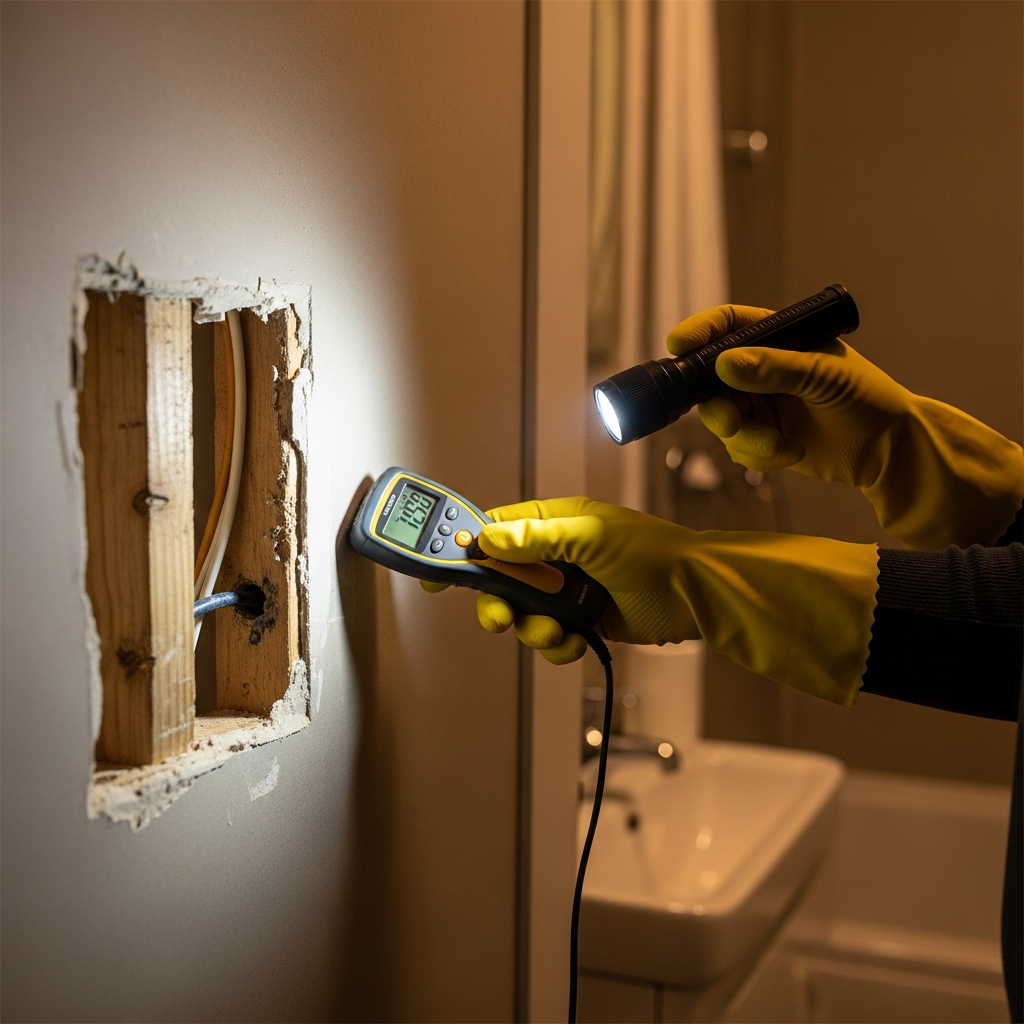
- Probe Materials: If drywall is suspect, remove a small section near the baseboard to inspect the cavity and measure moisture.
Exterior Fixes With Big Odor Impact
The fastest odor improvements often start outside by keeping bulk water away from the foundation:
- Gutters and Downspouts: Clean seasonally and extend downspouts several feet from the home. Splash blocks or extensions reduce foundation wetting.
- Grading: Regrade soil to slope away from the house. Low spots collect water and push moisture into basements and crawl spaces.
- Window Wells: Install well covers and clear drains. Replace rusted liners that trap debris and water.
- Driveway and Patio Drainage: Ensure slabs do not tilt toward the foundation. Add channels or drains where needed.
- Irrigation: Redirect sprinklers away from exterior walls and adjust schedules during wet periods.
Interior Source Control
Inside the home, eliminate routine moisture loads and chronic leaks:
- Bathroom Venting: Duct fans outdoors, not into attics. Run during showers and 20 minutes afterward. Clean fan grilles regularly.
- Kitchen and Laundry: Vent the dryer outside and keep ductwork clear. Use range hoods when boiling or washing to reduce humidity.
- Plumbing: Inspect supply lines, traps, and valves. Replace brittle hoses on washing machines and dishwashers. Fix slow leaks immediately.
- Condensation: Insulate cold-water pipes and uninsulated metal ducts in cool spaces.
- Storage Habits: Keep cardboard and textiles off basement floors and away from exterior walls to prevent odor reservoirs.
Drying Strategy That Reaches the Hidden Wet
Stopping water is step one. Step two is drying until materials stabilize. Pair heat, airflow, and dehumidification:
- Set dehumidifiers to maintain 30%–50% RH and run them continuously during recovery.
- Direct fans to move air along walls, under lifted carpets, and across damp framing.
- Use gentle heat to encourage evaporation, balancing safety and energy use.
- Open cavities strategically by removing baseboards or small drywall sections to vent hidden moisture when readings are elevated.
- Verify progress with moisture measurements and adjust equipment placement every 12–24 hours.
Cleaning and Odor Reset
After drying is underway, clean to remove residues and particles that trap odor:
- HEPA vacuum floors, sills, and ledges to capture fine dust and spores.
- Wash nonporous surfaces with a mild detergent and rinse. Dry thoroughly to avoid reintroducing moisture.
- Treat lightly stained wood with gentle cleaners and extended airflow. Replace materials that remain soft, crumbling, or strongly odorous.
- Launder washable textiles and replace odor-saturated cardboard with plastic bins.
HVAC: Don’t Let the System Spread Odor
Inspect and service HVAC components that can magnify odor. Replace filters, clean return grilles, and verify that condensate drains freely. Seal leaky return ducts in basements or crawl spaces so the system does not inhale musty air. If the air handler sits in a damp zone, prioritize drying and consider running the blower only after odors subside.
Middle-of-Project Checkpoint
At this stage, odors should be fading as humidity drops and cleaning progresses. If smells plateau or rebound, reassess for hidden moisture behind paneling, under floating floors, or around chimney chases. When uncertainty persists, it may be time for expert diagnostics—thermal imaging, borescopes, and specialized drying gear. For a quicker resolution without more trial and error, schedule comprehensive mold odor removal that includes source tracing, drying verification, and structural deodorization.
Build Resilience: Keep Odors From Returning
Long-term success comes from reducing the home’s overall moisture load and improving its ability to dry:
- Air Sealing: Seal rim joists, attic penetrations, and basement gaps to limit humid air infiltration.
- Insulation: Add or repair insulation to curb condensation on cold surfaces and stabilize indoor temperatures.
- Smart Ventilation: Use bathroom and kitchen fans consistently and consider continuous low-speed ventilation during humid seasons.
- Routine Maintenance: Clean gutters, test sump pumps, and inspect exterior caulking twice a year.
- Monitoring: Keep a hygrometer on each level and spot-check high-risk areas after storms.
Room-by-Room Source Fixes
- Basement: Address perimeter seepage, improve drainage, and maintain a dedicated dehumidifier.
- Bathroom: Upgrade fan capacity, fix caulk, and keep shower doors or curtains open after use.
- Kitchen: Use exhaust when cooking, check sink cabinets for leaks, and dry dish mats daily.
- Laundry: Replace old hoses, vent the dryer outdoors, and avoid drying racks in closed rooms.
- Attic: Vent bath fans to the exterior, improve insulation, and seal air leaks to prevent condensation.
Frequently Asked Questions
Q: How do I know I fixed the source? A: Odor should continue to weaken as humidity stays below 50% and surfaces remain dry. If smell returns after rain or showers, a moisture pathway is still active.
Q: Do I have to remove materials to stop odor? A: Only when they remain damp, soft, or stained, or when readings indicate moisture in a cavity. Otherwise, cleaning and extended drying can suffice.
Q: Can I rely on air fresheners? A: No. Fragrances mask odor but leave moisture and microbial sources untouched.
Q: What humidity is ideal? A: Maintain 30%–50% RH. Adjust dehumidification and ventilation to stay in range year-round.
Q: Is bleach the best cleaner? A: Bleach can disinfect nonporous surfaces but is not a cure-all for odor and can add moisture. Use it cautiously and prioritize drying and detergent cleaning.
Q: Could the smell be from the HVAC? A: Yes. If odor is strongest at vents, inspect returns, filters, and condensate drains, and ensure the system is not pulling air from musty spaces.
Make the Smell History
When you eliminate moisture pathways, dry thoroughly, and clean strategically, the musty smell loses its fuel and fades for good. If you want expert guidance that confirms every step—from water exclusion to structural drying and odor neutralization—connect with local specialists in mold odor removal and enjoy a lasting return to clean, healthy air.