
Homeowner Checklist to Eliminate Mold Odor in Bloomfield New Jersey
When a musty smell drifts through your Bloomfield, New Jersey home, it is not just unpleasant—it is a message that moisture and microbial activity are present somewhere nearby. Because our local climate swings from humid summers to cold winters, homes face regular condensation risks, seasonal seepage, and ventilation challenges. This comprehensive checklist turns that frustrating odor into a step-by-step plan you can follow to identify the source, eliminate it, and keep your indoor air fresh for the long run.
Think of this as your repeatable playbook. You will stabilize moisture, clean in a logical sequence, verify results, and maintain a healthy baseline that prevents the smell from creeping back. At any step, you can seek a second opinion or hand off the work to experts who do this every day. If you want a direct path to verification and results, consider partnering with local mold odor removal professionals who understand Bloomfield’s building styles and seasonal humidity patterns.
Step 1: Confirm the Odor and Map It
Start with your senses. Walk room to room and note where the smell intensifies—basements and crawl spaces, bathrooms, kitchens, laundry areas, and places with past leaks. Sniff along baseboards, under sinks, near windows, and at floor-wall joints in the basement. Record hotspots in a notebook or on a simple floor plan. Note the time of day and weather when the smell is strongest; after a thunderstorm or during a humid afternoon, the source may be more apparent.
As you map, keep airflow and building layout in mind. Odors can drift along stairwells or through gaps around plumbing and wiring. If the smell strengthens when your HVAC runs, the return path or ducts may be near a damp area. These early clues point to the first places you will check during cleanup.
Step 2: Stabilize Moisture Immediately
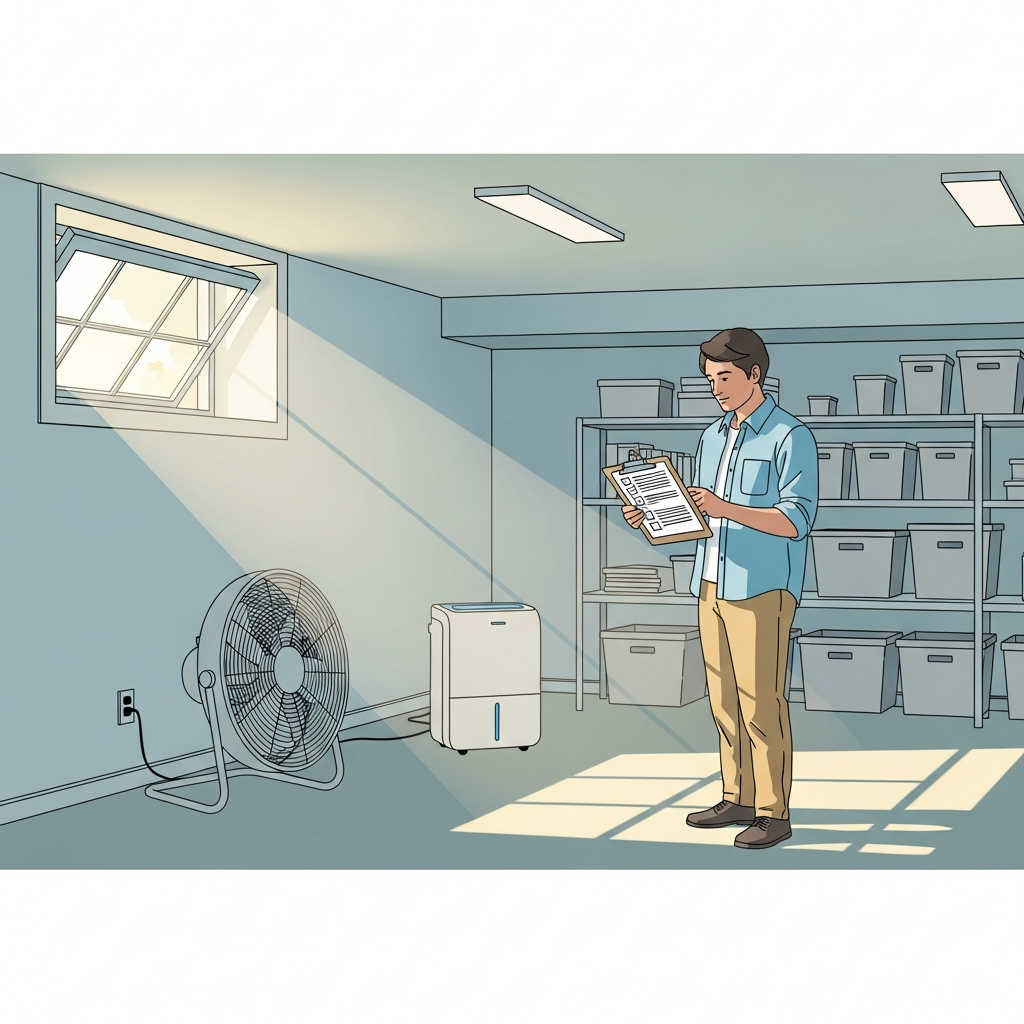
You cannot deodorize a damp space. Stop active leaks, set out towels for minor drips, and move wet items to a staging area for assessment. If weather permits, open windows in the affected zone while running a dehumidifier to keep humidity under control. In Bloomfield basements, plan on continuous dehumidification during humid months; empty the reservoir often or connect a continuous drain when possible.
Address building envelope contributors next. Ensure gutters and downspouts are clear and moving water well away from the foundation. Check grading and extend downspouts as needed. Inside, insulate cold water pipes that gather condensation and verify that bathroom and kitchen exhaust fans vent to the outdoors, not into an attic or crawl space.
Step 3: Prepare for Safe Cleaning
Wear gloves and an appropriate respirator for particulate control, and keep doors to unaffected rooms closed during work. Position a fan to exhaust air outdoors without blowing directly at suspect surfaces. Create a clean staging area with bags for debris and bins for salvageable items. Organize supplies—HEPA vacuum, microfiber cloths, mild cleaning solution for non-porous surfaces, and plenty of clean towels. Avoid chemical mixing and aggressive products that could damage finishes or trap odors under residues.
Plan a clean-to-dirty workflow. Begin with the least affected rooms and progress toward the strongest odor zones. Bag and remove discarded items promptly to prevent re-contamination and to gauge how much the odor diminishes as you clear reservoirs.
Step 4: Declutter and Triage Contents
Porous items are frequent odor reservoirs. In basements, remove cardboard boxes, paper goods, damp area rugs, and fabric items stored on the floor or against exterior walls. Decide quickly: keep and clean, or discard. Washable fabrics go to the laundry for a warm wash and thorough dry. Items that remain musty after cleaning are often not worth prolonged efforts; letting go of odor sources accelerates your overall success.
Hard goods need attention too. Wipe the undersides and backs of furniture, shelving, and storage bins. Dusty edges and hidden ledges collect particulates that carry odor. As you empty and clean, maintain airflow around all items to promote drying.
Step 5: HEPA Vacuum and Damp Wipe Surfaces
Capture particulates first. Use a HEPA-filtered vacuum on floors, baseboards, window sills, and shelves, moving deliberately to avoid stirring dust. Follow with damp wiping of non-porous and semi-porous surfaces using a mild detergent solution; replace cloths as they soil. On unfinished wood, use minimal moisture and allow extra drying time between passes. Do not forget hidden faces like the undersides of stair treads, the backs of baseboards if accessible, and joists visible from the basement.
After this step, pause and reassess. If the odor has diminished significantly, you are on the right track. If a strong smell persists in a localized area, focus your next effort there—consider limited access behind baseboards or at the base of drywall to expose and dry hidden surfaces.
Step 6: Flooring, Walls, and Hidden Surfaces
Where carpet lies over a concrete slab, lift a corner to assess the pad. Musty, brittle, or stained pad material may need replacement to remove entrenched odors. For finished walls with a history of seepage, removing baseboards and a small strip of drywall can release trapped moisture and allow airflow to cavities. Work methodically and return materials to a dry state before closing anything up.
In bathrooms and kitchens, inspect sink bases, toe-kicks, and caulk lines. Correct minor drips and improve ventilation. Replace or clean items like bath mats and sink mats that often harbor persistent mustiness.
Step 7: HVAC System Check
If mustiness intensifies when the air handler runs, change the filter and inspect returns in or near affected areas. Confirm the condensate drain is clear and that drip pans are functioning. Seal gaps where returns might pull humid air from basements or crawl spaces. After cleaning, running the system with a clean filter can help circulate air while dehumidifiers manage moisture, gradually clearing residual odor compounds.
Step 8: Deodorize by Ventilating and Adsorbing, Not Masking
After moisture control and cleaning, residual odors typically fade as the environment stabilizes. Maintain steady dehumidification and ventilate on suitable days. Avoid heavy fragrances that mingle with mustiness. If a faint smell persists, revisit your moisture checks; somewhere, a damp surface or item may remain.
Step 9: Verify Results and Document Improvements
Walk the home again with fresh notes. Sniff the previous hotspots and compare. Document which steps made the biggest impact—decluttering, targeted cleaning of a specific corner, or changing airflow around a problem cabinet. If any odor remains, plan a second pass that targets the stubborn zone and consider selective opening of hidden faces for thorough drying.
Step 10: Prevent Recurrence with Habits that Stick
Prevention is a routine, not a one-time project. Keep gutters clean and downspouts extended. Re-check exterior grading in spring and fall. Vent bathrooms and kitchens during and after use. Store belongings off the basement floor and away from exterior walls. Run dehumidifiers steadily during humid months, and monitor indoor humidity so you can respond before mustiness returns.
Bloomfield-Specific Notes
Older Bloomfield homes often feature basements with porous masonry and minimal vapor barriers. In these spaces, steady dehumidification and mindful storage practices are essential. After coastal storms or nor’easters that bring heavy rain, inspect for seepage lines and adjust your dehumidifier settings. In winter, watch for condensation risks in attics and around window frames as warm interior air meets cold outdoor temperatures. Small seasonal adjustments can prevent big odor problems later.
When to Bring in a Professional
Consider help if multiple rooms are involved, if odor returns quickly after your cleaning steps, if you suspect hidden moisture behind finishes, or if anyone in the home has respiratory sensitivities. Outside specialists can provide moisture diagnostics, negative air containment for dusty tasks, and focused cleaning that shortens the path to a fresh indoor environment. For a smooth transition from DIY to managed support, many homeowners appreciate a consult to confirm their plan and timeline.
Frequently Asked Questions
Q: How fast can the musty odor go away once I start? A: If moisture is controlled and cleaning is thorough, many homes notice improvement within days, with residual scents fading as materials finish drying. Persistent odors often point to a hidden damp source.
Q: Do I need to remove all carpet to eliminate odor? A: Not always. Sometimes replacing the pad or addressing moisture at the perimeter is sufficient. Evaluate by lifting a corner to inspect the condition under the surface.
Q: Are air fresheners useful for musty smells? A: They mask rather than resolve the issue and can leave a heavier scent. True relief comes from finding and fixing the moisture problem and cleaning affected materials.
Q: What humidity level helps prevent mustiness? A: Maintaining a balanced indoor humidity range minimizes condensation and keeps porous materials from absorbing excess moisture. In basements during humid months, active dehumidification is often essential.
Q: Can I handle this as a homeowner, or is professional help required? A: Many homeowners succeed with a careful plan and persistence. Bring in professionals if odor persists after thoughtful efforts, if you find hidden damage, or if you prefer documented verification for peace of mind.
Take Back the Freshness in Your Home
You have a clear, practical checklist to diagnose and eliminate mold odor in your Bloomfield home—stabilize moisture, clean methodically, verify, and prevent recurrence with steady habits. If you want faster progress, expert diagnostics, or a managed end-to-end resolution, connect with trusted local mold odor removal specialists who understand Bloomfield’s climate and construction, and who can help you restore a fresh, comfortable indoor environment that lasts.