
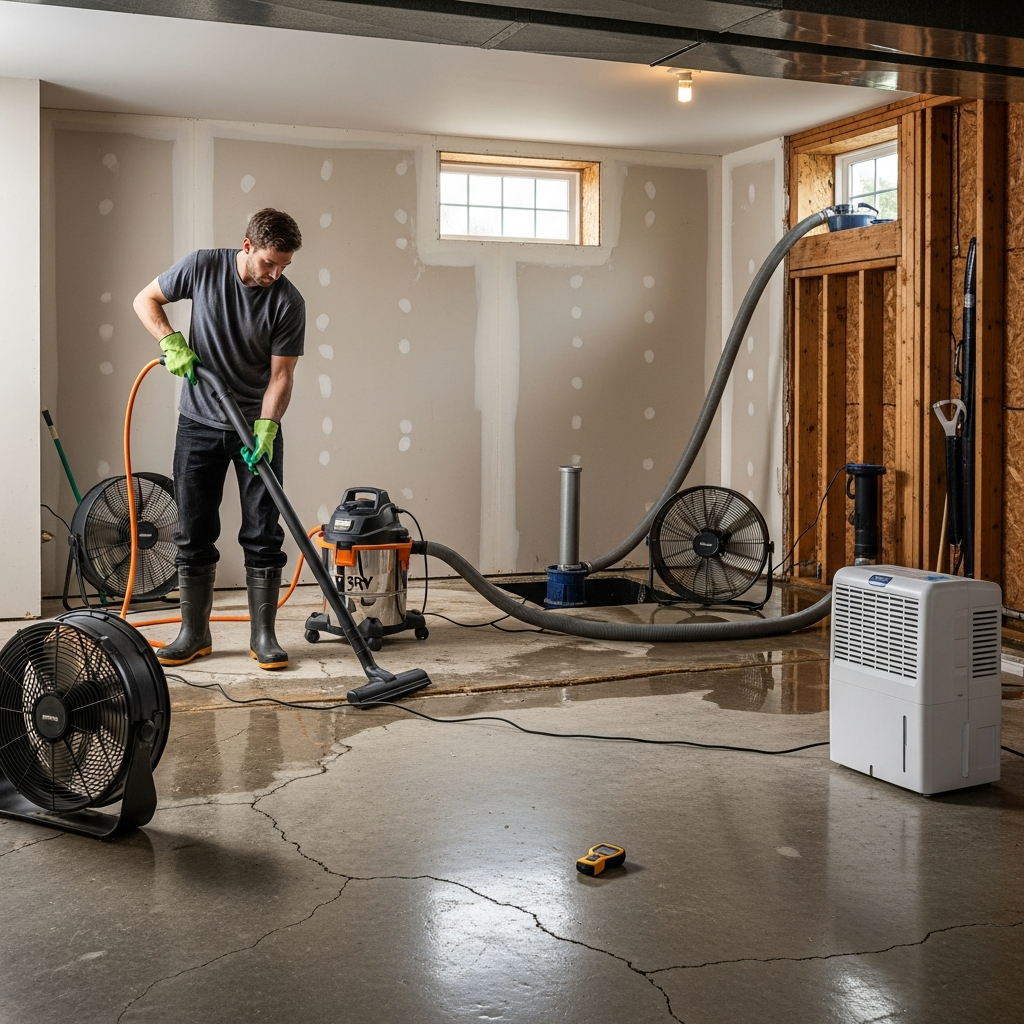
Basement flooding in Bloomfield, New Jersey can happen after heavy rain, rapid snowmelt, or a plumbing failure. Even after the standing water is gone, a stubborn musty odor can linger and spread through the entire house. That smell is more than a nuisance; it signals moisture trapped in building materials and potential microbial growth. Eliminating the odor requires a coordinated plan for extraction, drying, cleaning, and prevention. If you prefer expert help to speed recovery and reduce disruption, you can also consult local mold odor removal resources while following the steps below so you understand the process and can monitor progress confidently.
Flooded basements present unique challenges. Water can wick into drywall, baseboards, wood studs, insulation, and carpet padding. Concrete floors absorb moisture and release it slowly. Utility rooms often house the furnace, water heater, and laundry hookups, which need careful inspection. While odor control is the end goal, the immediate priority after flooding is safety and rapid moisture reduction. The sooner you stabilize humidity and airflow, the easier it will be to clear the smell and protect your home.
Safety and First Priorities
Start with safety. Do not enter a flooded basement until power is off to the affected circuits, especially if water reached electrical outlets or appliances. If floodwater contains sewage or appears contaminated, treat it as unsafe and limit direct contact. Wear waterproof boots, gloves, and eye protection. If you are unsure about electrical or structural safety, pause and seek professional guidance before proceeding.
Once it is safe, remove standing water with a pump or wet/dry vacuum. Move quickly to protect building materials and possessions. Relocate items to a dry staging area for cleaning or disposal later. Open windows if weather allows and set up fans to begin exhausting damp air outdoors. Start a dehumidifier immediately to pull moisture from the air and surrounding surfaces.
The Drying Sequence That Prevents Odor
- Extract water thoroughly. Continue until the surface appears only damp, not wet. The less residual water remains, the faster odor-causing conditions end.
- Strip out compromised materials. Remove and discard carpet padding that was submerged; it traps moisture and odor. Remove baseboards to allow airflow along wall bottoms. If water rose above baseboard height, consider cutting and removing a small section of drywall to release trapped moisture.
- Promote cross-ventilation. Place fans to move air across damp surfaces rather than directly at them. Set up a dehumidifier to maintain relative humidity under 50 percent as soon as possible.
- Monitor progress with a hygrometer and, if available, a moisture meter. Take and record readings twice daily. Drying is complete only when readings stabilize at safe levels.
- Protect the HVAC system. Replace filters and avoid running the system continuously until humidity declines, so you do not draw damp, odor-laden air into ducts.
Cleaning Techniques to Neutralize Musty Odor
After water removal and initial drying, target surfaces that absorbed odor. Use a methodical top-to-bottom approach so residues do not re-settle on cleaned areas. Focus first on hard, non-porous materials because they are easiest to deodorize, then move to semi-porous and porous items.
- Hard surfaces. Wipe walls, floors, and fixtures with a suitable cleaner. Rinse and dry thoroughly. For textured concrete, a soft brush helps lift residues.
- Semi-porous materials. Scrub exposed wood framing and subfloors. Dry rapidly with airflow and dehumidification to minimize lingering smell.
- Porous contents. Launder washable textiles promptly and dry completely. For area rugs, consider professional extraction and controlled drying to prevent re-odorizing.
Remember that wet basements can generate odor from multiple sources at once. Concrete slab moisture, damp wood, and stored cardboard can all contribute. Remove or elevate storage, switch to breathable bins, and keep the space sparsely furnished until readings confirm dryness.
Special Considerations for Bloomfield Basements
Many Bloomfield homes include partially finished basements with a mix of drywall, paneling, and utility areas. Stone or block foundation walls may allow minor seepage during heavy rains even after the initial flood is addressed. In such cases, maintain dehumidification beyond the first week, and consider installing a sump pump or improving exterior drainage to reduce recurrence. Insulating cold water pipes helps control condensation during humid months, and sealing small cracks can limit future moisture pathways.
When the Odor Persists
If a musty smell remains after several days of active drying and cleaning, investigate hidden cavities. Remove outlet covers and gently check inside wall spaces for damp insulation. Inspect the underside of stairs, rim joists, and the area behind built-in shelving. If you discover extensive dampness or visible growth, broaden the scope to include targeted removal of affected materials. Midway through your recovery, it often helps to consult reputable mold odor removal specialists who can perform moisture mapping and speed structural drying with equipment designed for larger volumes.
Preventing Future Flood Odors
- Improve exterior water management. Clean gutters, extend downspouts, and adjust grading to move water away from foundation walls.
- Consider a sump pump or backup system if your home sits in a high-water area or has a history of seepage.
- Elevate storage. Keep belongings off the floor on shelves or platforms and replace cardboard with plastic bins that have vented lids.
- Seal and insulate thoughtfully. Address foundation cracks and insulate cold pipes to avoid condensation that can reignite odors later.
- Maintain target humidity. Keep a dehumidifier in the basement during humid months and verify with a hygrometer that levels stay below 50 percent.
Frequently Asked Questions
Q: How fast do I need to act after a basement flood? A: Begin extraction and drying immediately—ideally within the first 24 hours. Quick action dramatically reduces the chance of persistent odors and secondary damage.
Q: Do I have to remove drywall after every flood? A: Not always. It depends on how high the water rose and how long materials stayed wet. If drywall wicks moisture above the baseboard line, controlled removal can speed drying and prevent lingering smell.
Q: My basement smells musty even after drying. What now? A: Recheck humidity, look for odor reservoirs like damp padding or stored cardboard, and inspect hidden cavities. If the odor is persistent, consider a professional moisture assessment.
Q: Can I run my HVAC to help dry the basement? A: Use caution. You do not want to pull damp air through ducts and spread odor. Replace filters, run in short cycles if needed, and favor dedicated dehumidification and fans in the basement itself.
Q: Are there products that instantly remove flood odors? A: Be careful with quick fixes. True odor removal comes from drying and cleaning first. Deodorizers can complement the process but rarely solve it alone.
Restore Clean Air After a Flood
You can eliminate musty basement odors by acting quickly, prioritizing safety, and following a structured drying and cleaning plan. Keep monitoring humidity, do not rush to reinstall materials, and give the space time to stabilize. When you want added certainty and faster progress, schedule local support. Experienced teams can assess moisture pathways, apply targeted cleaning, and set you up for long-term prevention. For a dependable path from flood to fresh air, consider professional mold odor removal assistance and reclaim the comfort of your Bloomfield home.