
If you have ever walked into your house in Bloomfield, New Jersey and noticed a lingering musty smell, you are not alone. Mold odor is a common challenge in our region thanks to humid summers, frequent rain, and older housing stock with basements and crawlspaces. The good news is that musty smells do not have to be a permanent part of your living space. With the right approach, you can identify the source, address underlying moisture, and remove the odor for good. If you prefer expert support from the start, consider trusted mold odor removal options while you read through this step-by-step guide so you know exactly what to expect and how to keep odors from returning.
In this comprehensive guide, you will learn how to distinguish temporary damp smells from true mold odors, how to inspect common problem areas in Bloomfield homes, and what products and techniques work best without introducing harsh residues. You will also find safety guidelines, a simple sequence to clean and deodorize, and a prevention plan that fits our local climate. Whether you live in a classic Bloomfield colonial with a stone basement or a newer townhouse with tight construction, the strategies below can be tailored to your home’s specific needs.
Before getting started, remember that odor control always follows moisture control. If there is an active leak, seepage through foundation walls, or chronic humidity over 60 percent, deodorizing alone will not last. Combine drying, cleaning, and ventilation improvements to make lasting progress. With consistency and a bit of patience, you can restore the clean, neutral smell that makes a house feel healthy and welcoming.
Why Mold Odor Is So Common in Bloomfield Homes
Bloomfield’s climate swings between damp springs, hot and humid summers, and chilly winters. That pattern encourages condensation on cold basement pipes, window sills, and exterior walls. Many homes include basements with limited airflow, older masonry, or partially finished spaces where vapor barriers are missing or outdated. When moisture lingers on porous materials like drywall, carpet padding, cardboard, or wood, microscopic mold growth can start within 24 to 48 hours, and odors may follow soon after.
In addition, northern New Jersey’s frequent rain events and melting snow can push groundwater toward foundations. Even a small amount of seepage can keep relative humidity elevated, and once a musty smell takes hold in textiles or untreated wood, it tends to persist. That is why you should approach odor removal as a building-wide project: track down where moisture is entering, manage indoor humidity, and refresh surfaces that have absorbed odors.
What That Musty Smell Really Means
“Musty” is the everyday term most people use, but in technical terms, you are smelling microbial volatile organic compounds. These gases are byproducts of mold metabolism and can be more pronounced when colonies are active and well-fed by moisture. A faint, occasional mustiness after a rainy day may simply mean you need better ventilation. A persistent odor, especially one that is stronger in a specific room, closet, or basement corner, typically points to ongoing moisture and possibly unnoticed growth.
Remember that odor is a clue, not a diagnosis. Sometimes the strongest smell is not where the growth began because air currents move odors around. That is why a systematic inspection is essential, focusing on moisture sources, temperature differences, and materials that trap smell.
Safety First: Practical Precautions
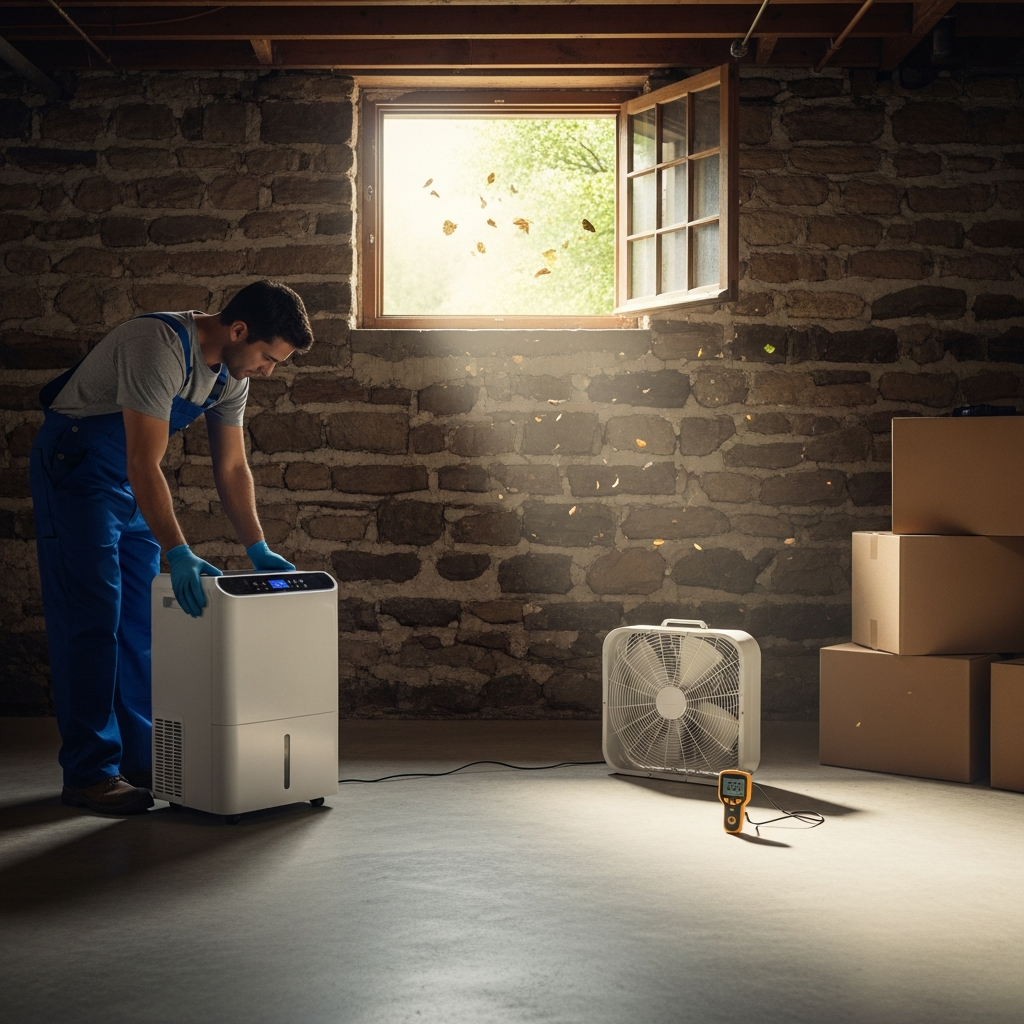
Before you start cleaning, protect yourself and your home. Wear gloves, eye protection, and a simple respirator designed for nuisance dust or particulate. Open windows when weather allows and use a box fan to exhaust air outdoors from the work area so odors and particles do not recirculate. Avoid dry-brushing moldy surfaces indoors; agitating growth can release spores and worsen odors temporarily. If you discover widespread growth spanning multiple rooms, or you notice strong odor combined with health symptoms, it is best to pause and consider professional support.
Step-by-Step Plan to Remove Mold Odor
- Track the odor. Walk room to room and note where the smell is strongest. Check closets, under sinks, along exterior walls, behind furniture, and inside basements and crawlspaces. Use your nose and a small flashlight to inspect corners and baseboards.
- Measure humidity. Place a hygrometer in the smelliest areas. Aim for 30 to 50 percent relative humidity indoors. If your reading is consistently above 55 to 60 percent, bring in a dehumidifier immediately and identify moisture sources.
- Find and fix moisture. Look for leaks under sinks, around toilets, near water heaters, laundry hoses, and foundation cracks. Seal plumbing leaks, clean gutters, extend downspouts, and ensure soil slopes away from the foundation to reduce basement seepage.
- Remove odor reservoirs. Cardboard boxes, old books, unused textiles, and carpet padding absorb smells. Sort and discard what you can. For items you must keep, move them to a dry, ventilated space while you clean.
- Clean non-porous surfaces. Wipe hard surfaces like tile, metal, sealed wood, and plastic with a mild cleaner. Rinse and dry thoroughly. For grout or textured surfaces, use a soft brush and avoid oversaturating.
- Address semi-porous surfaces. For unsealed wood or concrete, scrub with a cleaner suitable for the material, then dry quickly using fans and dehumidification. Consider applying a breathable sealer once fully dry to resist future odor absorption.
- Refresh porous materials. Wash washable fabrics with a hot water cycle if fabric allows, then dry completely. For area rugs or carpets with stubborn must, deep extraction cleaning and rapid drying help. If carpet padding is saturated or smells persist after cleaning, replacement is often the most reliable fix.
- Ventilate and dehumidify. Run exhaust fans during and after cleaning. Keep a dehumidifier operating until indoor humidity stabilizes below 50 percent, especially in basements.
- Reassess after 48 hours. If odor lingers despite cleaning and drying, repeat targeted steps in the strongest areas and consider hidden sources like wall cavities or HVAC components.
Deep Cleaning Strategies That Actually Work
Odors persist when they are trapped in materials or when small colonies keep producing new compounds. After you have stabilized moisture and completed basic cleaning, pick strategies that reach deeper into odor-prone materials. For example, slow, steady dehumidification over several days draws moisture out of wood framing and subfloors, reducing the environment that fuels odor. Strategic airflow also matters: move air across, not directly at, damp surfaces to promote even drying without spreading dust.
- For basements, combine dehumidification with raised storage to keep items off the floor. This prevents wicking of moisture and new musty buildup.
- For closets, reduce crowding, add breathable storage bins, and place a small, safe desiccant where appropriate. Rotate seasonal clothing so items do not sit for months without air circulation.
- For bathrooms, verify that the exhaust fan vents outdoors and runs for at least 20 minutes after showers. Wipe condensation from mirrors and sills.
- For kitchens, inspect sink cabinets for drips and damp stains. Clean and dry the area, then place items back only after the cabinet is fully aired out.
Ventilation and Humidity Control in the Bloomfield Climate
During muggy New Jersey summers, outside air can be more humid than indoor air. Simply opening windows may not help and can sometimes worsen musty conditions. Use air conditioning to cool and dehumidify, and add a standalone dehumidifier in basements or rooms that run damp. In spring and fall, choose dry, breezy days to air out the home, and monitor humidity with your hygrometer so you know whether ventilation is helping or hurting.
Air movement is crucial, but it should be balanced. A single fan blowing hard in one spot can dry one surface while leaving others damp, producing uneven results. Place fans to create a gentle, circulating flow across affected areas. Replace furnace filters regularly and consider a professional HVAC inspection if the odor seems to originate from ducts or returns.
When To Bring In Additional Help
DIY methods are effective for many small or moderate odor issues, especially when you have addressed moisture. However, certain red flags indicate you may need broader assessment. If odor intensifies after rain or snowmelt, if you notice discoloration spreading on walls or ceilings, or if your basement humidity refuses to drop below 60 percent despite continuous dehumidification, you likely have a deeper moisture pathway to solve. In these cases, a professional assessment can save time by pinpointing the source. Midway through your efforts, it can be useful to consult resources or schedule local support for persistent mold odor concerns so you are not fighting the same smell month after month.
Common Mistakes That Prolong Odors
- Masking the smell with fragrance alone. Odors come back quickly if the source remains damp.
- Skipping moisture measurements. A hygrometer is inexpensive and guides decisions far better than guesswork.
- Over-wetting carpets. Excess water drives moisture deeper and lengthens drying time, intensifying odor.
- Neglecting hidden spaces. Behind baseboards, under stairs, and inside storage rooms are frequent odor reservoirs.
- Closing up too soon. Let cleaned spaces dry fully with airflow before returning items to shelves or closets.
A Prevention Plan That Sticks
- Control water outside. Keep gutters clean, downspouts extended, and soil graded away from the foundation.
- Control water inside. Fix leaks quickly, insulate cold pipes, and use exhaust fans during water-intensive activities.
- Maintain air balance. Use dehumidifiers in basements and tightly sealed spaces, and verify HVAC is circulating air evenly.
- Choose smarter storage. Swap cardboard for plastic bins with vented lids and elevate stored items off basement floors.
- Schedule seasonal checks. After heavy rains, quickly inspect basements and utility rooms for dampness or odor.
Frequently Asked Questions
Q: How do I know if the smell is mold and not just “old house” odor? A: True mold odor often intensifies after rain or in humid weather and is strongest near moisture sources such as basements, bathrooms, or under sinks. A consistent musty smell that does not fade with basic cleaning is a strong sign of microbial activity.
Q: Can I remove the odor without tearing out walls? A: Many odors clear with moisture control, cleaning, and dehumidification. If odor persists and you suspect hidden growth in wall cavities, targeted opening and remediation may be necessary, but start with non-invasive steps first.
Q: Is it safe to stay in the home while I clean? A: For small-scale issues, yes, provided you ventilate, protect yourself, and avoid aggressive disturbance of growth. For widespread problems or if anyone experiences symptoms, pause cleaning and consider professional evaluation.
Q: How long should I run a dehumidifier? A: Run it continuously until relative humidity remains below 50 percent for several days. In Bloomfield basements during summer, many homeowners run a dehumidifier throughout the season.
Q: Why does the smell come back after I clean? A: Recurring odor usually means moisture control is incomplete or an odor reservoir remains, such as damp carpet padding or stored cardboard. Revisit humidity, airflow, and material replacement if needed.
Q: Does painting over a musty wall help? A: Painting without solving moisture can trap odor and peel later. Dry the area, clean, and ensure moisture is resolved before considering a breathable, appropriate coating.
Q: What about my HVAC system? A: If odors are strongest when the system runs, check filters, inspect condensate drains, and consider professional duct inspection. Moisture in ducts or near air handlers can spread musty smells.
Ready for a Fresher Home in Bloomfield?
If you are ready to reclaim clean indoor air and banish the musty smell for good, take the next step today. Start by stabilizing humidity, follow the steps above, and then, if you want expert guidance and faster results, reach out for local help. The right partner can assess moisture pathways, apply targeted cleaning, and set you up with a prevention plan tailored to Bloomfield’s climate. For dependable assistance that fits your timeline, explore professional mold odor removal support and breathe easier knowing your home is on the path to lasting freshness.