
How to Get Rid of Mold Odor in Bloomfield New Jersey Homes
Mold odor in a Bloomfield, New Jersey home is more than an annoyance; it is a clear sign that excess moisture and microbial growth have taken hold somewhere indoors. Our local climate brings humid summers, cold winters, and frequent rain that can seep into basements, bathrooms, attics, and hidden cavities. That musty, earthy smell often lingers even after a visible stain is wiped away because spores and volatile organic compounds persist on surfaces and in porous materials. This guide explains how to identify the source of the odor, safely clean and dry your home, and prevent the smell from returning—step by step and tailored to the conditions common in Bloomfield neighborhoods.
Before diving in, remember that addressing the smell is not just about freshening the air; it is about finding and resolving the moisture problem that feeds the growth. A complete solution blends targeted cleaning, thorough drying, and ongoing humidity control. If you discover widespread contamination or you prefer expert help at any stage, you can look for trusted mold odor removal support to ensure the source is fully identified and addressed.
Why Mold Odor Happens and What It Means
That unmistakable musty scent is a byproduct of microbial activity. As mold colonizes damp cellulose-rich materials—drywall paper, wood framing, carpet backing, cardboard boxes—it releases compounds that your nose quickly recognizes. The odor can travel far beyond the visible patch, making it tricky to pinpoint the source. In Bloomfield homes, common culprits include minor plumbing leaks inside wall cavities, seepage through porous masonry in basements, condensation on cold pipes, inadequate ventilation in bathrooms and kitchens, and poorly sealed attics where warm indoor air meets cold roof decking during winter.
An odor is a message about moisture. Any cleaning plan that ignores moisture control will give you only temporary relief. Conversely, when you dry the area thoroughly and keep it dry, light to moderate growth can often be remediated successfully with careful cleaning and removal of contaminated items. The challenge for homeowners is distinguishing surface-level issues from those embedded deep in materials or hidden behind finishes. That is why the first phase of any plan is assessment.
Safety First: Preparing for Odor Investigation and Cleaning
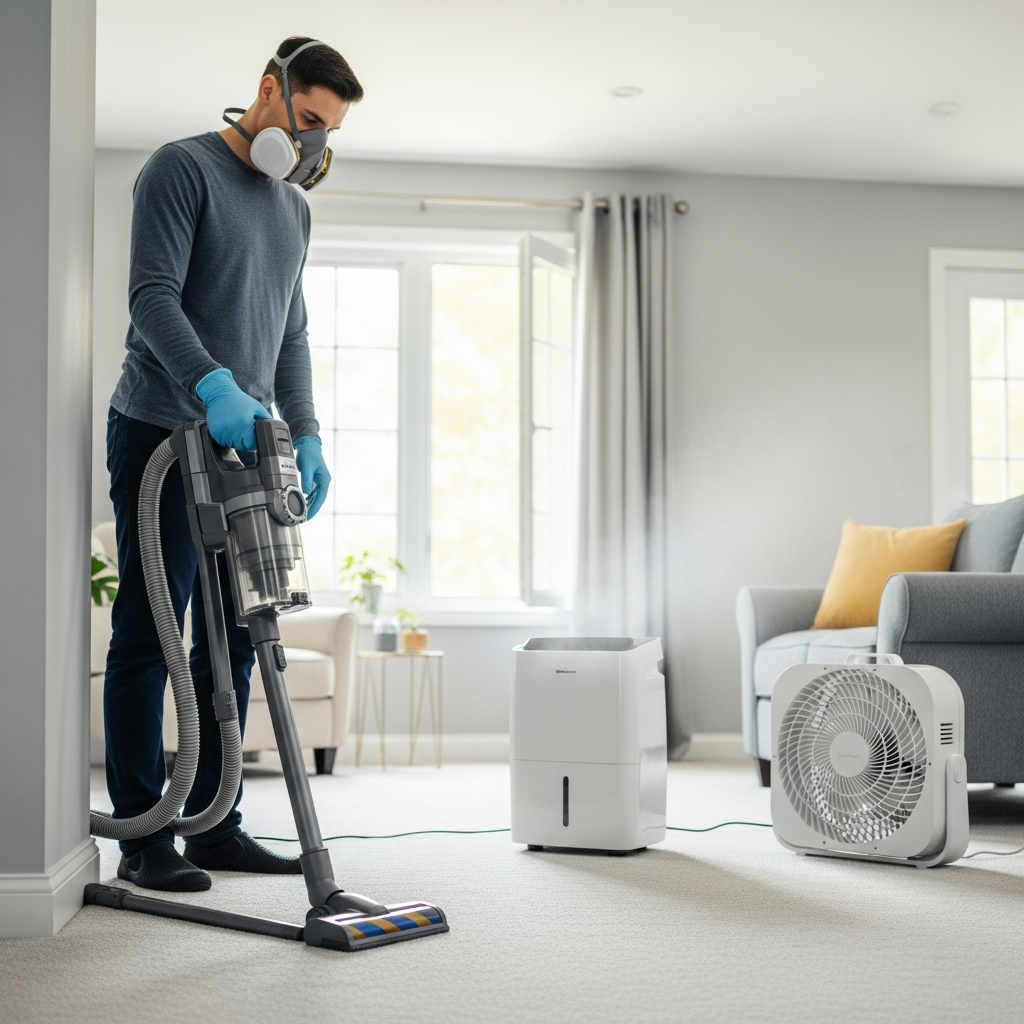
Before you start, protect yourself and prevent spreading spores to clean rooms. Wear appropriate protection such as gloves and a well-fitted respirator appropriate for particulate filtration. Ensure windows can be opened for ventilation if weather permits, and avoid running a central HVAC system that could circulate spores during cleaning. If you are investigating a basement or crawl space, take care with lighting and electrical safety. Place a staging area near the entry with trash bags for debris and a separate bin for items to be cleaned and dried.
Limit disturbance until you have a plan. Pulling up carpeting or cutting into drywall may be necessary at times, but initial checks should be as non-invasive as possible. Start with sight, smell, and touch: sniff along baseboards, corners, and under sinks; look for water stains, bubbling paint, warped baseboards, or a ring of discoloration on concrete; feel for cold, damp sections of wall or floor. In Bloomfield’s older housing stock, pay special attention to basement masonry, window wells, and the underside of first-floor framing where condensation can develop.
Finding the Source: A Systematic Inspection
Effective odor removal begins where the odor begins. Move room by room, starting with the most likely zones: basement or crawl space, bathrooms, kitchens, laundry rooms, and any area previously affected by leaks. Follow plumbing lines and inspect shutoff valves, traps, and supply hoses for slow drips. Check around the water heater, sump pit, and foundation cracks for dampness. Lift a corner of carpet if you smell mustiness near the floor. Gently press drywall near baseboards to detect softness that could indicate moisture intrusion. In attics, look for darkened roof sheathing, evidence of prior ice dams, and poorly vented bath fans that terminate into the attic rather than outside.
Use your nose and patterns of air movement. Odors often concentrate near the source, but air currents can carry them along duct chases or stairwells. If the smell intensifies when your HVAC fan runs, the contamination may be near returns, in damp ductwork, or in rooms served by under-conditioned zones. Note the time of day or weather when the odor is strongest; for example, you might find the smell is worse after summer thunderstorms or on frigid nights when condensation forms on cold surfaces.
Containment and Ventilation
Once you have a target area, limit the spread. Keep doors to unaffected rooms closed. Where feasible, increase ventilation to the outdoors by opening windows and using a fan to exhaust air from the work area. Avoid directing a fan at a contaminated surface, which can aerosolize particles. If your home has a central system, consider switching it off during the most disruptive cleaning steps to keep spores from migrating into ducts.
Containment is also about workflow. Plan a clean-to-dirty path and minimize backtracking. Bag debris immediately, and do not drag contaminated items through living spaces. If you must carry items upstairs or across the home, wrap them or place them in sealed bags first. This mindful approach will make the later deodorizing and maintenance steps far more effective.
Drying: The Non-Negotiable Step
No deodorizer or cleaner can compensate for ongoing moisture. Begin drying as soon as active leaks are found. Shut off water sources, repair plumbing issues, and stop seepage. Increase air movement across damp surfaces and, crucially, manage humidity so moisture evaporates and is removed from the indoor environment. Portable dehumidifiers are invaluable in Bloomfield basements and bathrooms. Empty reservoirs frequently or use continuous drains. Aim for indoor relative humidity around 30 to 50 percent when possible, adjusting to seasonal comfort and insulation levels.
As you dry, monitor progress. Materials like drywall and carpet padding may require removal if saturated or if they have persistent odor after initial cleaning. Wood framing can typically be salvaged if brought back to a dry state. Keep drying equipment running for days after surfaces feel dry to the touch, because moisture often lingers within porous materials. Patience at this stage pays dividends in long-term odor control.
Cleaning Surfaces the Right Way
With moisture controlled, clean affected areas methodically. Start with dry removal: use a carefully handled HEPA-filtered vacuum to capture settled particulates on floors, windowsills, baseboards, shelves, and other surfaces. Follow with damp wiping using a mild detergent solution on non-porous and semi-porous materials. Rinse cloths frequently and replace them as they become soiled. For unfinished wood, avoid oversaturation; use light, repeated passes and allow ample drying. On sealed tile or vinyl, a thorough wash and rinse can be very effective.
Be cautious with harsh chemicals. Not every product is suitable for every surface, and strong solutions can cause discoloration or damage. Never mix cleaners unless a label explicitly allows it. For porous items that hold odor—old cardboard, damp area rugs, and musty books—disposal is often the most reliable option. Removing these odor reservoirs can dramatically improve indoor air quality and shorten the time it takes for the musty smell to dissipate.
Soft Goods, Carpets, and Furnishings
Textiles are notorious for trapping odor. If the source area includes carpets, pads, drapes, or upholstered furniture, assess each item’s condition and value. Many textiles can be cleaned successfully if caught early and thoroughly dried, but prolonged dampness can permanently set odors. When possible, launder washable fabrics on a warm cycle and dry them completely. For wall-to-wall carpet, consider lifting sections to inspect the pad and subfloor; sometimes partial replacement of padding is needed to eliminate the last trace of odor. If an item emits a strong musty scent even after washing, it may be time to let it go.
Hard furnishings also deserve attention. The undersides of dressers, bed frames, and shelving can collect dust and spores. Wipe them thoroughly, and do not forget the back panels or unfinished edges. Move items away from exterior walls during drying to allow air circulation around all surfaces, then return them once you confirm the odor has subsided.
HVAC and Duct Considerations
If the odor intensifies when the air handler runs, focus on your return ducts and filters. Replace dirty filters immediately and consider a higher-efficiency filter compatible with your system. Inspect returns for dust buildup and check that condensate lines and drip pans are clear and flowing. A musty odor in the ductwork can originate from a damp basement return, a clogged condensate drain, or a poorly sealed duct pulling humid air from a crawl space. Addressing these issues often makes a surprising difference in the perceived smell throughout the home.
Deodorizing Without Masking
Once cleaning and drying are complete, a light deodorizing step can help. Focus on adsorbing and ventilating rather than masking. Increase fresh air exchange on low-pollen days, and continue to run dehumidifiers. Odor-adsorbing media placed in rooms can supplement mechanical drying as the residual smell slowly fades. Remember, true odor removal comes from eliminating moisture and contamination, not from covering the scent with fragrances.
When DIY Reaches Its Limits
There are clear signs that professional help is the right move: when odor persists after thorough drying and cleaning, when contamination spans multiple rooms, when you discover damage behind finishes, or when a vulnerable occupant has respiratory sensitivities or allergies. Skilled teams bring specialized meters, negative air containment strategies, and deep cleaning tools that accelerate recovery and protect indoor air. If you want a dependable hand-off at this stage, look into qualified mold odor removal assistance to verify the source, perform a contained cleanup, and document the return to normal moisture and odor conditions.
Preventing the Return of Mold Odor
Odor control becomes easy when moisture control becomes routine. In Bloomfield, emphasize basement humidity management in summer, prompt repairs of minor leaks, and active ventilation in bathrooms and kitchens. Use exhaust fans that vent outdoors during and after showers and cooking. Maintain gutters and downspouts to move water away from the foundation, and regrade soil if necessary to prevent pooling near exterior walls. Seal penetrations where humid outdoor air can leak into cool wall cavities.
Inside, keep storage off the basement floor and away from exterior walls, especially items like cardboard and textiles that readily absorb moisture. Consider switching to plastic bins with sealed lids. Monitor relative humidity with a simple gauge and adjust dehumidifiers as seasons change. Small habits—like leaving shower doors open after use, promptly drying spills, and quickly addressing drips under sinks—have an outsized impact on preventing the dampness that feeds odor formation.
Bloomfield-Specific Tips and Seasonal Considerations
Our region’s swings between humid summers and cold winters create periodic condensation risks. In summer, cool basement walls can cause moisture to condense, which is why dehumidification is especially important below grade. In winter, warm indoor air leaking into a cold attic can condense on roof decking; sealing gaps around light fixtures and properly venting bath fans help keep that space dry. After heavy rain or snowmelt, walk your perimeter to check for downspout discharge and basement seepage. Early detection prevents persistent musty smells later.
Homeowners in older Bloomfield houses should also assess window wells, bulkhead doors, and masonry coatings. Minor upgrades like well covers, improved weatherstripping, and crack sealing can reduce water intrusion significantly. Periodically check sump pumps and backup systems ahead of spring storms, and keep an eye on laundry areas where hoses can age and fail gradually.
Frequently Asked Questions
Q: How long does it take for a musty smell to fade after cleaning and drying? A: If the source has been removed and the area is kept dry with good ventilation, light odors can diminish noticeably in a few days and fade over a couple of weeks. Lingering or returning smells often indicate remaining moisture or hidden contamination that requires further inspection.
Q: Do air fresheners or candles solve mold odor? A: They only mask the scent and can mix with mustiness to create heavier indoor air. For lasting results, remove moisture, clean affected materials, and ventilate to carry away residual compounds. Adsorbing media and clean air circulation can help after the source is gone.
Q: Is bleach the best cleaner for mold odor? A: Harsh chemicals are not always suited to every surface and can damage finishes or leave residues. Focus on moisture control, HEPA vacuuming, and appropriate cleaning solutions for each material. Porous items that hold odor may need to be discarded rather than aggressively treated.
Q: What indoor humidity level should I aim for to prevent musty smells? A: Many homes are most comfortable and protected from mustiness when indoor relative humidity is kept near the middle range through the year. In basements during humid months, active dehumidification is often essential to maintain balance.
Q: Should I clean ducts if I smell mustiness when the system runs? A: Start by changing filters and inspecting returns and condensate drains. If odors persist and you suspect contamination near the ducts, an assessment by a qualified professional can determine whether targeted cleaning or repairs are needed.
Putting It All Together
Eliminating mold odor in a Bloomfield, New Jersey home is a process: locate the moisture, dry thoroughly, clean methodically, and protect against recurrence with better ventilation and humidity control. The effort pays off in healthier air, preserved materials, and a home that feels fresh through the seasons. If you have already taken reasonable steps and the smell persists, do not assume you have failed—odor can be stubborn when hidden cavities are involved. A methodical second pass or a focused professional assessment often reveals the remaining source.
Ready for a Fresher Home?
If you want guidance, tools, or hands-on help to end the musty smell for good, reach out to local experts who understand Bloomfield’s homes and climate. For a prompt assessment and a clear, results-focused plan, connect with trusted mold odor removal specialists who can pinpoint the cause, remediate affected areas, and help you keep your home dry and fresh all year.