
Persistent, musty smells can settle into homes and apartments in Bloomfield, New Jersey, especially after wet weather, roof leaks, or basement seepage. If you have noticed that distinctive earthy scent when you open a closet, step into the basement, or switch on your air conditioning, this comprehensive guide will walk you through practical, science-backed steps to remove the source of the smell and restore fresh indoor air. Early action is essential because the compounds responsible for the scent are a signal that moisture, organic material, and inadequate ventilation are providing favorable conditions for microbial growth. Tackling the problem thoroughly means identifying moisture, removing reservoirs, improving airflow, and validating that odors do not return.
In this guide, you will learn how to evaluate your home’s odor patterns, track moisture and humidity, clean or discard affected materials, and set up preventive controls appropriate for Bloomfield’s humid summers and freeze-thaw winters. You will also find checklists, troubleshooting tips, and answers to frequently asked questions. If you would prefer professional support at any stage, reputable local specialists can help eliminate mold odor and identify root causes, but you can make substantial progress with the methods below.
Understand Why Mold Odors Develop in Bloomfield Homes
The musty smell often associated with mold comes from microbial volatile organic compounds (mVOCs) that fungi release as they metabolize and grow. These gases can be noticeable even when visible growth is minimal. In Bloomfield, common triggers include heavy spring and summer rains that push moisture into basements, older window assemblies that allow condensation, roof flashing leaks that wet attic sheathing, and bathrooms without adequate exhaust ventilation. Because our region experiences humidity spikes and seasonal temperature swings, materials such as drywall, carpet padding, cardboard boxes, and unfinished wood can readily absorb moisture and sustain microbial activity.
Removing the smell therefore involves more than masking the odor. You must remove the conditions that allow the microorganisms to thrive. That means fixing liquid water intrusions, controlling humidity, ventilating closed areas, filtering the air, and cleaning or discarding porous items that have become reservoirs.
Step 1: Map the Odor and Moisture Pattern
Start with a structured walkthrough. Note when and where the odor is strongest—after rain, in the morning, when the HVAC turns on, in the basement, or behind closet doors. Open cabinetry under sinks, check behind furniture, and step into storage areas and crawlspaces. Your goal is to narrow down hotspots and identify whether the odor is localized (e.g., a bathroom vanity) or distributed through the home (e.g., via ductwork or a damp basement permeating the structure).
- Check exterior grading and gutters to see if water flows toward the foundation.
- Look for efflorescence lines or damp patches on basement walls.
- Inspect around windows for stained sills or peeling paint, signs of condensation.
- Open return air grilles and supply vents to see if there is dust, debris, or dampness.
- Smell inside closets and cabinets, especially those against exterior walls.
Document observations with photos and short notes. If you notice seasonal patterns, include the date and weather conditions.
Step 2: Measure Humidity and Seek Hidden Moisture
Relative humidity (RH) above 60 percent for extended periods can sustain microbial growth on many household materials. Place small digital hygrometers in rooms on each level, including the basement and attic if accessible. Check readings in the morning and evening for a week. Aim to maintain indoor RH between 35 and 50 percent, with brief fluctuations acceptable. If one area persistently reads high, it is a likely contributor to the odor.
To locate hidden moisture, feel baseboards, carpet edges, and drywall. A pinless moisture meter can help you detect elevated moisture behind paint or in subfloors without causing damage. Pay special attention to areas below bathrooms and kitchens, around chimney chases, and beneath skylights. When moisture is found, ask why it is present: Is a pipe sweating? Is a drain weeping? Is exterior water entering through a crack? Fixing that cause is nonnegotiable for long-term odor removal.
Step 3: Improve Ventilation and Air Movement
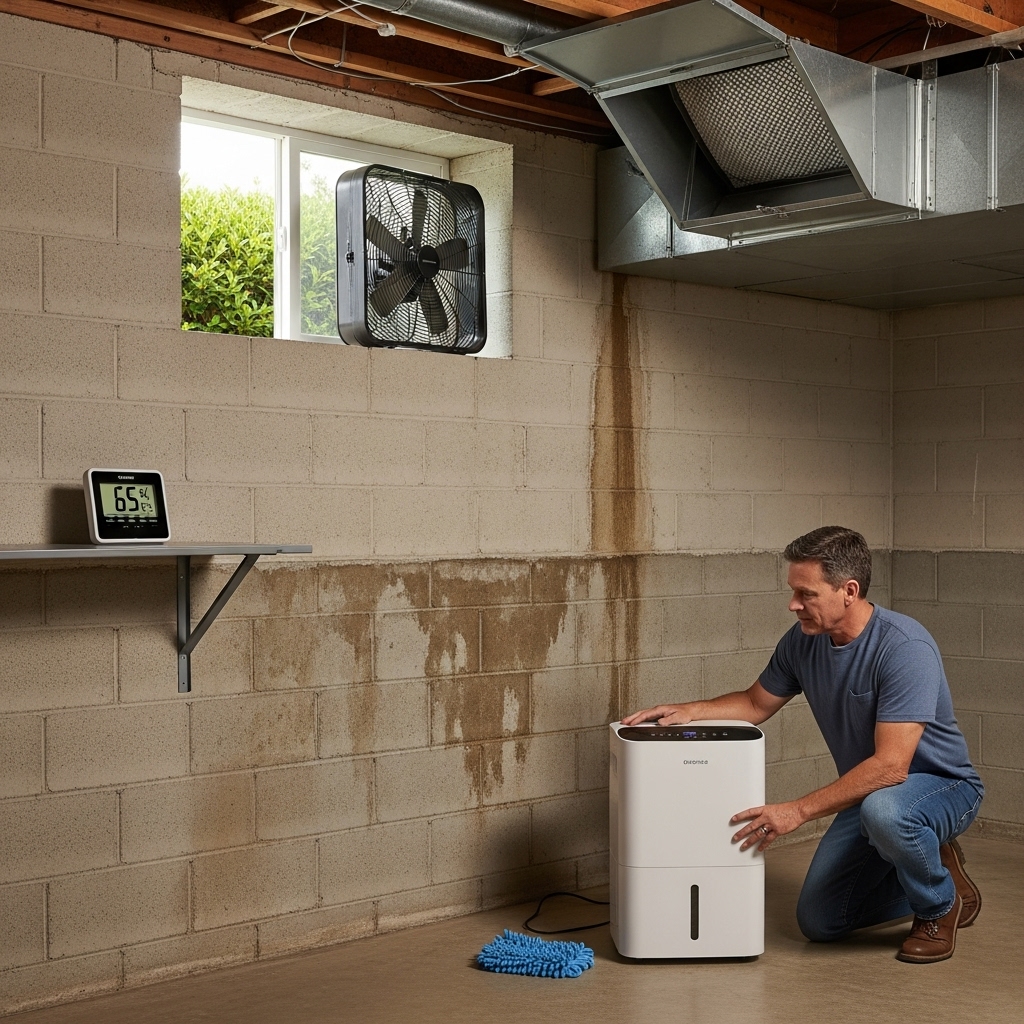
Before deep cleaning, increase ventilation to disperse existing mVOCs and reduce dampness. Open windows during dry, mild weather. Use window or box fans to exhaust stale air from affected rooms. In bathrooms, ensure the exhaust fan is ducted outdoors and run it for at least 20 minutes after bathing. In kitchens, use a vented range hood whenever cooking produces steam. If your Bloomfield home has a basement, run a dehumidifier set to 45–50 percent RH and keep interior doors slightly ajar to promote air circulation.
If you have a central HVAC system, set the fan to “on” temporarily while filtering the air with a high-quality filter rated MERV 11–13 if your equipment permits. Replace clogged filters and vacuum return grilles. Good air movement complements cleaning by drying damp films on materials and minimizing further microbial activity.
Step 4: Contain, Clean, and Discard Strategically
Cleaning is most effective when it prevents cross-contamination and targets the right materials. Start by grouping items into three categories: non-porous (metal, sealed wood, tile), semi-porous (finished wood, painted drywall), and porous (carpet padding, ceiling tiles, cardboard, fabric). Non-porous materials can often be cleaned thoroughly. Semi-porous surfaces may be cleaned if the impact is light and surface-only. Porous items that have been damp for days and smell musty frequently trap odors and are typically best discarded.
- Set up a small containment if you are working in a concentrated area—close doors, open a window to exhaust, and use a fan to blow air out, not deeper into the house.
- Vacuum surfaces with a HEPA-filter vacuum to capture fine dust that can carry odor compounds.
- Wipe non-porous and semi-porous surfaces with a detergent solution or a manufacturer-approved cleaner. Avoid excessive wetting, and dry surfaces thoroughly.
- Launder washable fabrics using hot water as allowed by the fabric care label, and fully dry them.
- Bag and remove items like moldy cardboard, crumbling ceiling tiles, or cannot-be-cleaned carpet padding; disposal often provides the fastest odor relief.
Cleaning solutions should be selected for the material. Detergent and water remove residues effectively from many surfaces without harsh fumes. Avoid indiscriminate use of strong oxidizers that can damage finishes or irritate occupants.
Step 5: Address Carpets, Rugs, and Soft Furnishings
Carpets and rugs can absorb both moisture and odor compounds. If only a small area was damp briefly, lifting the carpet edge, drying the subfloor with fans, and cleaning the surface fibers with an appropriate carpet detergent may suffice. For extensive wetting or persistent odor despite cleaning, consider removal of padding in affected areas, as padding holds moisture longer and can harbor odors. Upholstered furniture that smells musty after a basement leak may need professional cleaning or, if saturated, may be best replaced.
For area rugs, move them outdoors on a dry, breezy day to air out after cleaning, then return them when the indoor humidity is controlled. Always ensure the floor beneath dries thoroughly to prevent re-wetting of the textile.
Step 6: Inspect Attics and Crawlspaces
Attics and crawlspaces often drive indoor odors. In attics, look for roof leaks around penetrations, inadequate ventilation, or bath fans vented into the attic instead of outdoors. Dark staining on sheathing can indicate past moisture problems. In crawlspaces, check ground vapor barriers, open vents that allow humid summer air to condense on cooler surfaces, and plumbing leaks. Sealing penetrations, improving ventilation design, and adding or repairing vapor barriers can substantially reduce the odor load that infiltrates the living space.
Because these areas can be confined or dusty, wear appropriate protective gear, and avoid disturbing insulation excessively. If you observe widespread damage or are unsure how to proceed, consider consulting a specialist.
Step 7: Dehumidification and Ongoing Moisture Control
Even after cleaning, maintaining appropriate humidity is crucial to keep odors from returning. In Bloomfield basements, a dedicated dehumidifier that drains continuously to a sink or condensate pump is practical. On upper levels, the air conditioning system should be properly sized; oversized systems short-cycle and remove less moisture. Add weatherstripping to reduce humid outdoor air infiltration, and use kitchen and bathroom exhaust fans consistently.
Smart monitors that alert you when RH exceeds a set point can help you intervene early. In laundry rooms, ensure dryers are vented outdoors and lint lines are clean. Drying laundry indoors adds significant moisture and should be avoided when possible.
Step 8: HVAC and Ductwork Considerations
When the odor seems strongest when the air handler starts, inspect the system. Replace filters, clean return grilles, and consider professional cleaning of heavily soiled coils and drain pans. Condensate drains should flow freely; clogs create standing water and odor issues. If flexible ductwork in humid areas is torn or poorly insulated, condensation can form inside. Resealing and insulating ducts, or replacing damaged sections, can improve both indoor air quality and system performance.
In some cases, adding supplemental filtration or air cleaning within the HVAC system can help capture fine particulates and reduce odor intensity. Choose options compatible with your equipment and maintenance capabilities.
Step 9: Validate Progress and Prevent Recurrence
After cleaning and moisture control, reassess. Do a sniff test at the prior hotspots at different times of day. Check hygrometer readings for stability within target ranges. If odors return after rain, revisit exterior drainage and foundation waterproofing details. Keep a simple log of interventions and outcomes to guide next steps.
Preventive habits include promptly drying spills, storing cardboard off basement floors, rotating stored textiles, and running dehumidifiers proactively in late spring before humidity peaks. These small actions compound to maintain a fresher home.
Common Bloomfield Scenarios and Solutions
Basement with musty odor after storms: Confirm gutters are clear and downspouts discharge far from the foundation. Seal cracks, run a dehumidifier, and discard damp cardboard. If there is a sump pump, test it and ensure the lid seals well. Consider adding a perimeter drain if water intrusion is chronic.
Bathroom with persistent smell: Upgrade to a quiet, properly ducted exhaust fan and run it during and after showers. Reseal around the tub and toilet, check for tiny leaks beneath the vanity, and replace any water-damaged particleboard shelving that tends to hold odor.
Attic odor creeping into second floor: Correct roof leaks, add balanced attic ventilation, and ensure bathroom fans vent outdoors. If insulation is damp or matted from prior leaks, replacement is often necessary.
Odor Removal Supplies and Setup
- HEPA vacuum with clean filters and sealed bag.
- Detergent-based surface cleaner and microfiber cloths.
- Disposable gloves and N95 respirator for dusty work.
- Dehumidifier with hose for continuous drain.
- Box fan for temporary exhaust during cleaning.
- Moisture meter and digital hygrometers for monitoring.
Set up a staging area for bagging discards and keep pathways clear to prevent tracking debris. Work methodically from cleaner areas to dirtier ones, and from top to bottom.
Important Safety Notes
While most odor-related cleaning is manageable for homeowners, use caution if you encounter widespread damage, structural leaks, or occupants with respiratory conditions. Avoid mixing cleaning agents, provide ventilation, and keep children and pets away from work zones. If cutting out wet drywall or removing larger areas of carpet and padding, consider protective eyewear and coordinate disposal according to local guidelines.
Middle Checkpoint: Are You On Track?
At this stage, ask yourself: Have you identified and resolved all sources of moisture? Are humidity levels controlled below 50 percent? Have obviously musty porous materials been discarded? Has ventilation improved? If you can answer yes, you should notice a marked decline in odor intensity. If not, revisit earlier steps and, if helpful, seek a professional assessment to target stubborn mold odor that may be originating behind walls or within mechanical systems.
Frequently Asked Questions
Q: How long will it take for musty smells to dissipate after cleaning? A: If moisture is controlled and contaminated materials are removed, many homes notice improvement within days. Some residual scent can linger in textiles and dust for a few weeks and gradually fade as you ventilate, vacuum with a HEPA unit, and maintain low humidity.
Q: Will scent-masking sprays solve the problem? A: Fragrance products only overlay the smell and do not correct moisture or remove reservoirs. Use them sparingly if at all, and focus on source removal for a lasting solution.
Q: Is bleach necessary to remove odor from hard surfaces? A: Often, no. A detergent cleaner and thorough drying are effective for many non-porous surfaces. Bleach can discolor materials and create fumes; reserve it for specific sanitation needs where appropriate and ventilate well.
Q: What humidity level is ideal in Bloomfield’s climate? A: Aim for 35–50 percent RH year-round. In summer, dehumidification may be necessary; in winter, avoid going too low to prevent overly dry air and static.
Q: Can HVAC filters help with odor? A: Yes. Higher MERV filters compatible with your system can reduce fine particles that carry odor compounds. Replace filters on schedule and keep return grilles clean.
Q: When should I call a professional? A: If odors persist despite humidity control and cleaning, if you suspect hidden leaks or building envelope failures, or if occupants experience health symptoms, a qualified specialist can investigate hidden sources and provide targeted remediation.
Q: Do I need to test for mold to remove odors? A: Odor removal focuses on moisture and material management. Testing is sometimes helpful for complex cases, but most odor problems respond to practical steps like drying, cleaning, and discarding porous reservoirs.
Create a Maintenance Plan
To keep odors away, set calendar reminders: clean gutters each spring and fall, inspect caulking around showers quarterly, check for condensation on window sills after cold snaps, and review hygrometer logs monthly. In basements, avoid storing items directly on concrete floors; use shelving and lidded bins. Rotate stored clothes and textiles twice per year to prevent stagnation.
For multifamily buildings and condos in Bloomfield, coordinate with building management to address shared infrastructure such as roof penetrations, exterior weeps, and mechanical rooms. A community approach reduces repeat moisture events.
Bringing It All Together
Eliminating musty smells is a process of discovery, targeted cleaning, and disciplined moisture control. By methodically following the steps above—mapping odors, drying and ventilating, cleaning or discarding affected materials, and maintaining proper humidity—you can reclaim fresh indoor air, protect your belongings, and make your Bloomfield home more comfortable in every season. Keep records of what you have tried and the results; this documentation will accelerate solutions if you ever need expert support.
Ready to Breathe Clean Air in Bloomfield?
If you are ready to put lingering odors behind you, start with humidity control and a focused cleaning plan. For complex problems, or when you want confirmation that hidden sources have been resolved, reach out to trusted local experts who can assess, remediate, and help you verify results. Take the first step toward fresher air by learning more about proven solutions for mold odor now, and enjoy a healthier, more comfortable home in Bloomfield throughout the year.