
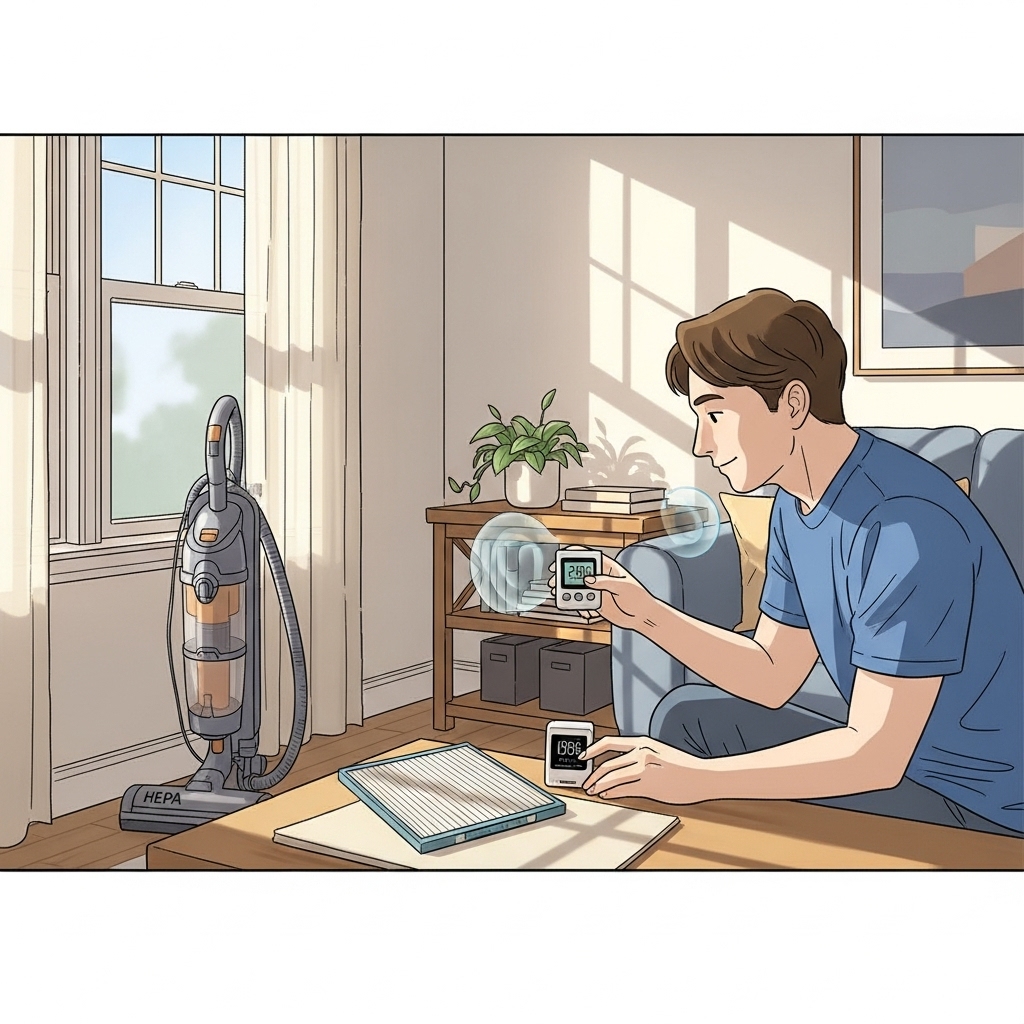
Keeping a home fresh in Bloomfield, New Jersey requires more than deep cleaning a few times per year. Because our climate swings from humid summers to cold winters, moisture can move through building materials, condense on cold surfaces, and sustain microbial growth that produces the familiar musty scent many people call a mold odor. This guide provides a practical, season-by-season maintenance plan to minimize moisture, ventilate effectively, clean strategically, and monitor indoor conditions so that musty smells do not take hold—or return after you have removed them.
These steps are designed for everyday homeowners, not just building professionals. With simple tools and consistent routines, you can create a healthier and more comfortable living environment while protecting your home’s structure and contents. If you ever want assistance, local experts can help you prevent and resolve mold odor, but the guidance below empowers you to manage most issues proactively.
Understand the Moisture-Odor Connection
Odor control begins with moisture control. Microbial volatile organic compounds (mVOCs) responsible for musty smells are byproducts of growth, which accelerates when materials stay damp and air is stagnant. In Bloomfield, hot and humid summer days, coupled with cool basements and crawlspaces, create prime conditions for condensation. In winter, warm indoor air can leak into cold attics, causing wet roof sheathing. Both scenarios can generate odors that migrate into living spaces.
Recognizing the pathways—roof leaks, plumbing drips, poor ventilation, and ground moisture—helps you choose preventive maintenance that works year-round.
Monthly Checklist
- Inspect bathrooms: Run exhaust fans during and 20 minutes after showers, and test that airflow is strong by holding a tissue near the grille.
- Check under sinks: Look for dampness, corrosion, or musty smells in cabinets and around supply lines and traps.
- Review humidity: Place digital hygrometers on each level and note readings. Aim for 35–50 percent RH.
- Change or clean HVAC filters as needed, depending on dust load and manufacturer guidance.
- Vacuum with a HEPA-filter vacuum in high-traffic and storage areas to remove fine dust that can carry odor compounds.
Quarterly Tasks
- Clean bathroom exhaust fan grilles and verify they are vented outdoors.
- Inspect window sills and frames for condensation stains or peeling paint.
- Open and air out closets, especially those on exterior walls; avoid overpacking that restricts airflow.
- Check the basement or crawlspace for damp corners, wall discoloration, or earthy smells after rain.
- Test the sump pump, if present, and make sure the lid fits snugly to limit odor transmission.
Seasonal Strategies for Bloomfield’s Climate
Spring: As temperatures rise, snowmelt and rain can raise ground moisture. Clear gutters and downspouts, extend discharge away from the foundation, and start the basement dehumidifier early before humidity peaks. Inspect roofs for winter damage, particularly around flashing and penetrations.
Summer: Keep indoor RH at or below 50 percent. If the air conditioning short-cycles and fails to dehumidify, consult an HVAC technician about settings or equipment sizing. Use kitchen and bath exhaust fans consistently. Avoid drying laundry indoors and cover aquariums to reduce moisture release.
Fall: Clean gutters again, seal exterior gaps and cracks, and prepare the home for closed-window season. Replace or wash HVAC filters and check that supply and return vents are unobstructed by furniture or rugs.
Winter: Monitor for window condensation and wipe it down promptly. In attics, look for frost or damp sheathing during cold snaps, a sign of warm air leakage; seal penetrations from the living space and verify adequate attic ventilation.
Basement and Crawlspace Maintenance
Basements and crawlspaces often govern whole-house odors. Keep storage off the floor using shelves and lidded plastic bins instead of cardboard. Run a dehumidifier with a continuous drain set to 45–50 percent RH. Inspect for efflorescence on walls, which indicates moisture movement. Seal obvious cracks and improve exterior drainage by sloping soil away from the foundation.
In crawlspaces, ensure the ground is covered with an intact vapor barrier and address plumbing leaks promptly. If vents connect to the outdoors, consider whether conditioning or encapsulation is appropriate for your home, as bringing in humid summer air can worsen condensation and odors.
Bathroom and Kitchen Habits
Consistent ventilation is essential. In bathrooms, use a timer switch to keep the fan running well after showers. Replace noisy or weak fans with quiet, properly ducted models. In kitchens, use a vented range hood while boiling water or cooking foods that produce steam. Cover pots and run the hood an extra few minutes to remove lingering moisture.
Periodically inspect caulk and grout in wet areas. Re-caulk joints that have gaps to prevent water from wicking into walls. Under sinks, tighten loose fittings and replace corroded supply lines before they leak.
HVAC and Filtration
Your central heating and cooling system is both a moisture manager and an odor transporter. Keep filters in good condition and replace them on schedule; if your equipment allows, use a higher MERV rating to capture more fine particles. Ensure the condensate drain is clear and the drain pan is clean to prevent standing water. If ductwork runs through unconditioned spaces like attics or crawlspaces, inspect insulation and sealing to prevent condensation within ducts.
Balanced airflow improves comfort and odor control. Keep interior doors from being permanently closed in heavily used rooms unless returns are present. Slightly open doors can help equalize pressure and airflow, reducing localized mustiness.
Cleaning That Targets Odor Reservoirs
Porous materials such as carpet padding, ceiling tiles, and cardboard can trap odor compounds. Integrate HEPA vacuuming into your routine, especially along baseboards and under furniture where dust accumulates. Launder washable textiles periodically and fully dry them before storing. If you detect persistent odor in stored items, move them outdoors on a dry day to air out after cleaning, and consider whether replacement is the most practical option.
Storage and Organization
Overpacked closets and cluttered basements restrict airflow and create microclimates that foster odor. Keep a few inches of clearance between belongings and exterior walls. Use wire shelving where possible to allow air movement. Avoid storing items directly on concrete floors; moisture can migrate upward and affect cardboard and textiles.
Monitor and Log Conditions
Place small digital hygrometers in representative rooms and check them weekly. If a particular area repeatedly exceeds 55–60 percent RH, investigate the cause. Keep a simple log of readings, weather, and any odors you notice. This log becomes a powerful tool for identifying patterns, such as a bedroom closet that smells musty only during extended rain or an attic that emits an odor during thaw periods.
Respond Quickly to Water Events
Spills, overflows, and small leaks can become odor problems if not addressed quickly. Blot and extract water from carpets immediately, lift edges to check the padding, and use fans and dehumidifiers to dry the area thoroughly. Replace damaged padding if it remains damp or smells after drying. For ceiling leaks, open a small inspection hole to release trapped water and accelerate drying, then repair the cause and the finish.
Middle-of-the-Plan Checkpoint
Midway through your maintenance year, pause to evaluate progress. Are humidity levels staying within target? Is airflow sufficient in closets and storage areas? Are bathroom fans actually moving air outdoors? If odors persist despite these controls, consider a focused inspection of hidden areas or consult a professional to address persistent mold odor that may originate behind finishes or within mechanical systems.
Child- and Pet-Friendly Practices
Choose cleaning products with low fumes and use them according to label directions. Store chemicals safely and keep children and pets out of rooms being dried or cleaned. Nontoxic detergents paired with mechanical removal—vacuuming, wiping, and thorough drying—are often enough to control odor without harsh products.
Exterior Maintenance That Supports Fresh Air Indoors
Odor control starts outside. Keep vegetation trimmed away from siding to allow airflow and reduce moisture retention. Maintain caulking and flashing at windows and doors. Ensure soil slopes away from the home and that downspouts discharge well beyond foundation walls. Inspect roof shingles and penetrations each spring and after severe weather.
Attic Care
In winter, warm, moist air can leak into the attic and condense on cold sheathing, leading to odors that migrate back into living spaces. Seal penetrations around light fixtures, bath fans, and plumbing vents. Verify that attic ventilation is balanced, with adequate intake at eaves and exhaust at ridges. If past leaks have wetted insulation, replacement may be needed to remove lingering odor reservoirs.
When to Replace vs. Clean
Some items simply hold odor. If a ceiling tile or carpet padding has a persistent musty smell after thorough drying and cleaning, replacement is usually the most efficient solution. For sentimental or high-value items, specialized cleaning may help, but weigh the time and cost against the likelihood of success. Focus resources on controlling moisture so new odors do not develop.
Frequently Asked Questions
Q: What humidity level should I maintain? A: Target 35–50 percent relative humidity. In Bloomfield’s summer months, a dehumidifier may be necessary, especially in basements.
Q: How often should I run bathroom fans? A: During showers and for at least 20 minutes afterward. Timer switches make this effortless.
Q: Does HEPA vacuuming really help with odor? A: Yes. Fine dust can carry odor compounds. Regular HEPA vacuuming reduces these reservoirs and supports fresher air.
Q: Are scented sprays a solution? A: They only mask smells. Address moisture, clean or replace affected materials, and ventilate for lasting results.
Q: Can houseplants increase humidity? A: Many can, especially when overwatered. Use trays and avoid overwatering to keep indoor moisture in check.
Q: How do I protect stored clothing? A: Store in breathable garment bags or sealed bins after laundering and full drying. Air out storage areas seasonally.
Simple Home Maintenance Calendar
- Spring: gutters, roof inspection, start dehumidifier, inspect basement walls.
- Summer: steady dehumidification, use exhaust fans, adjust HVAC for proper runtime.
- Fall: clean gutters again, weatherize, replace filters, check attic vents.
- Winter: monitor window condensation, seal attic air leaks, watch for dampness near exterior walls.
Building a Family Plan
Odor control is easier when everyone in the household helps. Teach family members to use exhaust fans, leave closet doors slightly open after laundering, and report small leaks immediately. Share the humidity targets and hygrometer locations so everyone can help monitor conditions. Celebrate progress when the home smells fresh after a storm or a season change—it reinforces good habits.
Staying Ahead of Seasonal Shifts
Bloomfield’s weather can change rapidly, and indoor conditions follow. Check your hygrometers before heat waves, cold snaps, and nor’easters. Preemptively adjust dehumidifiers, inspect vulnerable areas, and confirm that drainage systems are clear. These small steps keep you ahead of odor problems rather than reacting after they develop.
Your Fresh-Home Commitment
A clean-smelling home is the result of coordination: control moisture, ventilate, filter, clean, and monitor. With a practical schedule and a few affordable tools, you can prevent most musty smells and quickly resolve those that appear. Keep records of what works for your home so you can repeat successful routines year after year.
Make Your Bloomfield Home Smell Its Best
If you want confirmation that hidden sources are addressed or need help with stubborn odors, support is available. Work through the maintenance steps above, and then, if needed, reach out to local experts who can evaluate, remediate, and help you verify results. For reliable guidance and solutions related to mold odor, take the next step and enjoy a fresher, healthier home all year long.