
Keep Mold Odors Away with Smart Maintenance in Bloomfield, New Jersey
A musty smell is a warning that moisture has found a foothold. In Bloomfield, New Jersey, humid summers, winter snow, and shoulder seasons with rapid temperature changes challenge even well-built homes. The good news is that consistent maintenance can prevent most mold odors before they start. This guide lays out a proactive, seasonal plan for humidity control, ventilation, cleaning, and small repairs that dramatically reduce risk. If you want a head start or need help tackling a stubborn issue, professional mold odor services can pair maintenance with targeted remediation for lasting results.
Maintenance is about rhythm. By integrating quick checks into your normal routine, you will catch small problems early and avoid the disruptive cycle of chronic odor. The steps below are grouped by systems and spaces so you can adapt them to your home’s layout and the realities of Bloomfield’s weather.
Humidity Control as the Foundation
Keep a hygrometer on each level and in key spaces like the basement and bathrooms. Aim for 40 to 50 percent relative humidity, adjusting for comfort and season. When levels creep above 60 percent, odor risk climbs quickly. In summer, plan on running dehumidifiers consistently in the basement or any room that trends humid. Empty or drain them as recommended and clean the intake screens so airflow remains strong.
Strategically use air conditioning to pull moisture from indoor air. A system that short-cycles may cool without adequately dehumidifying; if you notice clammy conditions despite cool temperatures, discuss run-time and sizing with a technician. During shoulder seasons, when AC is off and windows are often closed at night, watch humidity closely and ventilate during drier periods of the day.
Ventilation That Actually Moves Moisture
Exhaust fans are only as good as their ducting and usage habits. Confirm bathroom fans exhaust outdoors and not into an attic or crawl space. After showers, run the fan for at least 20 minutes. Consider a timer switch so the fan runs long enough without you having to remember. In the kitchen, use the range hood whenever boiling or frying and verify the duct is clean and properly terminated outside.
Make sure attic ventilation is continuous from soffits to ridge. Insulation baffles should keep channels open at eaves, and vents should be unobstructed. In knee-wall spaces common to Cape and bungalow homes, ensure air can move freely behind the walls. If you notice frost or rusty nail points in winter, address air leaks from the living space and restore clear ventilation paths.
Moisture-Smart Cleaning Habits
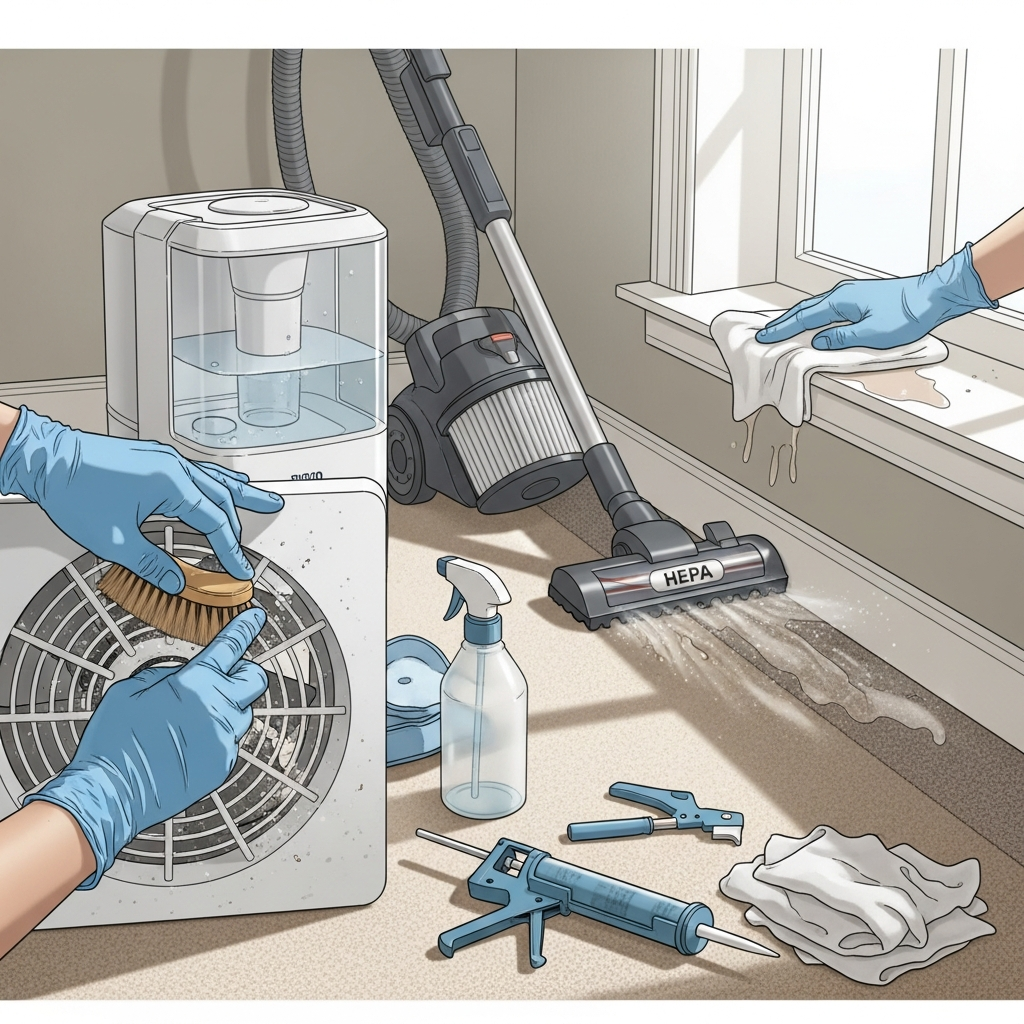
Dust and organic debris feed microbial growth. Vacuum carpets and upholstery regularly with a high-efficiency filter. Launder washable textiles that tend to trap odor, including curtains, throw blankets, and removable cushion covers. Wipe hard surfaces with a mild detergent solution to remove residues that can hold odor molecules. Avoid saturating porous materials; light, frequent cleaning is more effective than occasional heavy wetting.
In bathrooms, squeegee shower walls and glass after use to reduce film and moisture load. Keep shampoo bottles and caddies clean and dry on a weekly schedule. In kitchens, immediately wipe spills at cabinets and toe-kicks, and check under sinks for drips during routine cleaning so leaks never linger undetected.
Basement and Foundation Maintenance
The basement is a frequent source of musty odors in Bloomfield because it interacts directly with soil moisture. Maintain gutters and downspouts, extending discharges away from the foundation. Walk the perimeter after heavy rain to confirm water flows away from the house. Consider a sump system or French drain if you observe regular seepage or high groundwater during storms.
Indoors, set dehumidifiers to hold the basement between 45 and 50 percent relative humidity, especially from late spring through early fall. Store items on shelves or pallets to encourage airflow, and keep boxes away from exterior walls. If you use rugs, lift and rotate them periodically to check for dampness. Seal small cracks with appropriate materials and monitor for recurrence, which could indicate a larger movement of moisture.
Bathrooms and Laundry
Every month, inspect around toilet bases, under sinks, and near tub or shower surrounds for staining or soft caulk. Refresh caulk and grout where needed to prevent water intrusion. In laundry areas, check supply lines for wear and ensure the drain connection is tight. Clean the dryer lint path and confirm the vent terminates outdoors with a functioning damper so moist air does not recirculate indoors.
Install and use timer switches on bath fans to guarantee adequate run time after showers. If mirrors remain fogged more than 10 to 15 minutes after turning on the fan, you likely need a higher-capacity unit or improved ducting. These small adjustments pay outsized dividends in odor prevention.
Attic, Roof, and Exterior Details
Inspect the roof annually and after major storms for missing shingles or damaged flashing. In the attic, look for darkened sheathing or localized staining that follows roof penetrations. Verify that bath and kitchen exhaust ducts do not terminate in the attic. Around the exterior, maintain caulk at windows and doors and ensure soil grading encourages water to move away from the foundation rather than toward it.
Trim vegetation so it does not trap moisture against siding. Where patios or walkways abut the foundation, check that expansion joints and sealants are intact. A few hours of attention outside can prevent months of indoor mustiness.
HVAC Care for Fresh Air
Replace filters per manufacturer guidance and inspect the condensate pan and drain line at the start of the cooling season. A clogged drain can overflow, wetting insulation and creating a chronic odor that seems to originate everywhere because it moves through the ductwork. Have the system serviced annually so coils remain clean and airflow is adequate to dehumidify effectively.
If you notice odor intensifying when the system runs, pause and investigate. Biofilm can grow on damp components and in lined ducts. Professional cleaning may be the best route, but your maintenance records will help technicians diagnose quickly and avoid unnecessary work.
Seasonal Checklists for Bloomfield Homeowners
Spring: After snowmelt and early rains, walk the yard to confirm drainage paths, clean gutters, and test dehumidifiers. Inspect the attic on a mild day for signs of condensation or leaks formed by winter ice dams. In bathrooms, refresh any failing caulk and test bath fans for effective steam clearance.
Summer: Run basement dehumidifiers consistently, maintain filters, and ventilate during drier times of day. Monitor for condensation on cold water lines and insulate where needed. Keep an eye on window condensation during heat waves that drive indoor humidity higher.
Fall: Clear leaves from gutters, confirm downspouts are extended, and check weatherstripping on doors. In the attic, verify that insulation baffles remain clear at soffits. Plan a deep cleaning to remove dust reservoirs before windows stay closed for longer periods.
Winter: Watch for window condensation and quickly dry sills. Use kitchen and bath fans to manage moisture from cooking and showers, even on cold days. If you see frost or rusty nail points in the attic, address air leaks and ventilation gaps to protect against odor and structural damage.
Small Repairs That Prevent Big Odors
Proactive sealing and maintenance block moisture before it enters. Seal plumbing penetrations with appropriate gaskets, caulk, or foam. Use backer rod and a high-quality sealant for larger gaps at exterior trim. Tighten loose P-traps and replace worn supply hoses. Re-seat toilet flanges if you notice movement or staining around the base. These quick fixes close off moisture routes that otherwise sustain odor-producing microbes.
Inside, keep storage minimal against exterior walls and allow at least a couple of inches for air to circulate behind large furniture. Rotate rugs and vacuum under them. Lift the corner of carpeted areas near entry doors or in basements occasionally to ensure padding remains dry.
Responding When Odor Appears
Even with diligent maintenance, surprises happen. If you detect mustiness, shift into a focused response. Measure humidity, ventilate when conditions allow, and dry affected areas aggressively. Clean dust reservoirs and inspect the nearest moisture sources—bathroom fixtures, laundry connections, and exterior walls. If the smell persists for more than a few days despite drying and cleaning, escalate your response and consider help. Bloomfield’s older housing stock sometimes hides moisture inside wall cavities, where expert tools make all the difference. For efficient escalation and a tailored plan, engage local professionals experienced in mold odor prevention so you can regain control quickly.
Frequently Asked Questions
Q: What humidity should I maintain to prevent mold odor? A: Aim for 40 to 50 percent relative humidity. Over 60 percent significantly increases the chance of odor and growth.
Q: Will an air purifier stop mold odor? A: It can reduce particles and some smells, particularly with carbon filters, but it will not fix moisture problems. Use it as a supplement after moisture control.
Q: How often should I clean bathroom exhaust grilles? A: Vacuum or wash grilles quarterly to maintain airflow. Dust buildup reduces performance and allows humidity to linger.
Q: Do dehumidifiers need cleaning? A: Yes. Rinse tanks or ensure drains are clear, and clean intake screens monthly during heavy use to maintain efficiency.
Q: Can I paint musty-smelling walls to seal in odor? A: Only after you have verified the moisture source is resolved and the wall is dry. Use odor-blocking primer if needed, but never trap active moisture.
Q: What if I rent and cannot modify ventilation? A: Focus on portable dehumidification, strategic window ventilation during dry periods, prompt cleanup of spills, and minimizing storage against cool exterior walls.
Restore and Maintain a Fresh-Smelling Home
With a steady routine, small fixes, and smart ventilation, you can keep mold odors from taking hold in any season. If you are facing a persistent smell or want a professional maintenance plan tailored to your home, schedule expert mold odor support and enjoy the certainty that comes with clear steps, verified results, and lasting comfort in your Bloomfield home.