
If you notice a persistent, earthy smell in your Bloomfield, New Jersey home, you are not alone. Many residents deal with mold-related odors after seasonal rains, snowmelt, or humid summers. These odors are not just unpleasant; they may point to hidden moisture problems and microbial growth behind walls, under flooring, or inside HVAC systems. Professional mold odor removal services exist to identify sources, treat affected materials, and restore fresh indoor air. When you need guidance or support, reliable help is available, and you can learn more about proven mold odor removal methods that align with best practices in remediation.
Understanding what mold odor means helps you act quickly. Mold odors often signal elevated humidity or an ongoing leak. Even if you cannot see visible growth, spores and microbial volatile organic compounds (mVOCs) can produce distinct musty scents. These are commonly associated with basements, crawlspaces, bathrooms, or around windows where condensation forms. Acting early prevents structural deterioration and helps protect indoor air quality.
In Bloomfield’s climate, temperature swings and precipitation create favorable conditions for mold if moisture management is not consistent. Older homes, especially those with unfinished basements, can trap moisture and feed microbial activity. Without intervention, odor can spread through the building envelope or recirculate through the duct system, making the entire home feel damp or stale.
Why professional mold odor removal matters
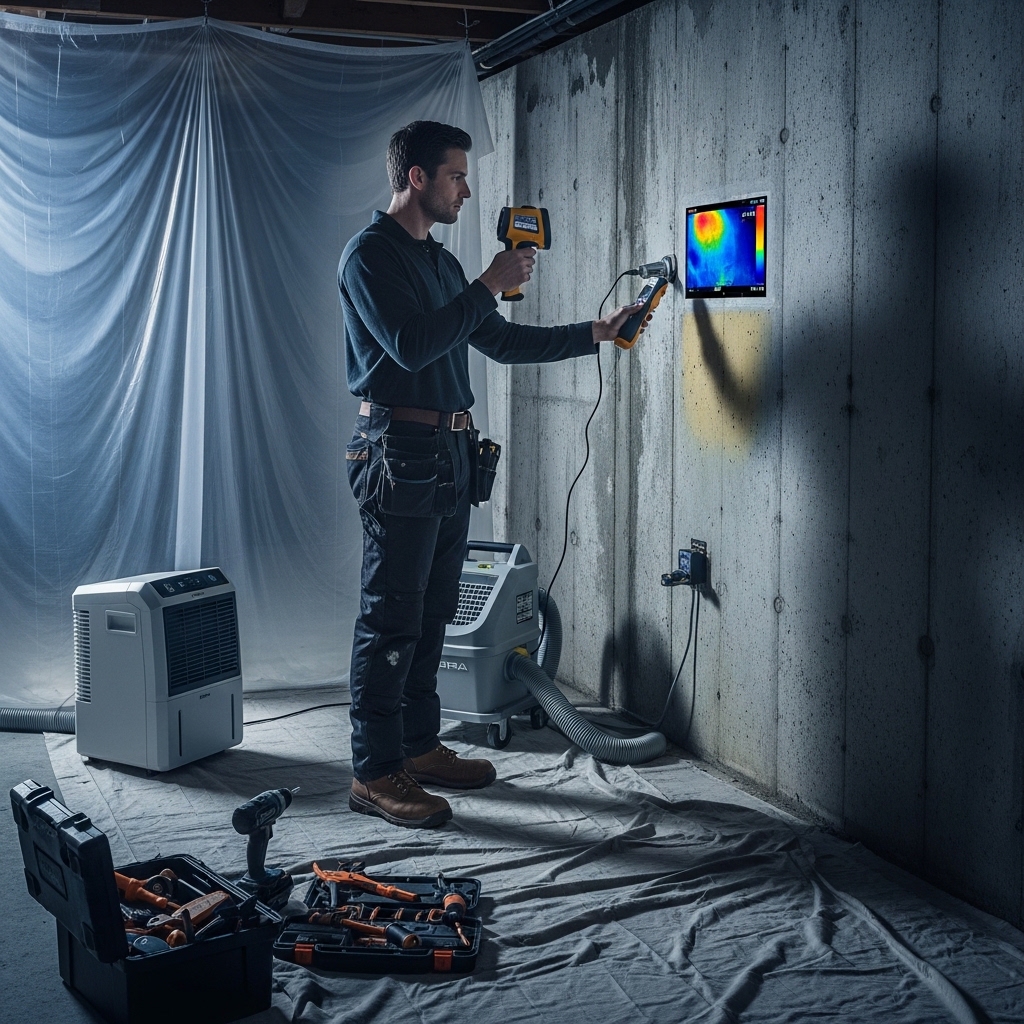
Professional services bring methodical assessments, moisture detection, and targeted treatment. Technicians use specialized meters to track humidity and wet materials, thermal imaging to find hidden dampness, and inspection protocols to check attics, basements, bathrooms, and HVAC components. This thorough approach ensures the focus is on the root cause rather than temporary cover-ups like air fresheners.
Another reason to consider professional help is containment. When disturbed, mold can release spores that spread to clean areas. Proper containment with negative air pressure, HEPA filtration, and careful removal techniques help prevent cross-contamination. This controls risk while work is underway and supports a better long-term result.
Finally, professionals can recommend material-specific solutions. For example, a musty basement may require dehumidification, drain improvements, and sealing of foundation wall penetrations. Bathrooms might need exhaust fan upgrades, grout repairs, or improved insulation behind tile assemblies. Each area of the home has unique building science considerations that a trained team can address.
Common sources of mold odor in Bloomfield homes
- Groundwater seepage or capillary moisture wicking through porous concrete in basements
- Leaking supply lines, drain lines, or fixtures hidden inside walls
- Roof and flashing failures leading to attic moisture and insulation wetting
- HVAC condensate clogs causing moisture accumulation in air handlers or drip pans
- Condensation around windows, exterior doors, or poorly insulated exterior walls
- Improperly vented bathrooms or kitchens that trap steam
- Wet or contaminated carpets, padding, and subfloors after spills or minor floods
Each of these issues requires a tailored plan. Odor that originates from a crawlspace may demand vapor barrier installation, perimeter drainage improvements, and consistent humidity control. Odor from a laundry room might center on supply hose leaks or poor dryer venting. A good investigation connects the smell to the source and creates a logical, step-by-step path to resolve it.
What a professional mold odor service visit includes
- Initial consultation and history: When did the odor start? Did a leak or storm occur recently? Which rooms smell strongest?
- Moisture mapping: Checking walls, floors, and ceilings for elevated moisture and tracking patterns from wet to dry zones.
- Air quality observations: Noting ventilation, airflow, and potential stagnation points where odor lingers.
- Material assessment: Evaluating drywall, insulation, framing, cabinets, carpet, and contents for saturation or contamination.
- Containment planning: Determining how to isolate work areas and prevent cross-contamination.
- Surface cleaning and removal: Using HEPA vacuuming, damp wiping, and controlled removal of non-salvageable materials when necessary.
- Filtration and ventilation: Running HEPA air scrubbers, adjusting airflow, and flushing indoor air.
- Drying and dehumidification: Stabilizing humidity levels and drying building materials to target ranges.
- Odor neutralization and verification: Addressing residual smells with proper cleaning and ventilation, then reassessing.
- Prevention strategies: Recommending ongoing controls—dehumidifiers, ventilation upgrades, gutter or grading improvements.
Throughout this process, documentation and clear communication help you understand what is happening and why. Photos, moisture readings, and daily progress updates keep the project transparent and aligned with your goals for a healthy home.
Health and comfort considerations
While every home and household is different, mold odors can be a comfort and wellness concern. Musty smells often make spaces feel damp or unpleasant, discouraging use of basements or spare rooms. For sensitive individuals, moldy environments may contribute to irritation or discomfort. Improving indoor air quality, eliminating odor, and controlling moisture can make a noticeable difference in the way your home feels and functions.
Good odor removal services are designed to minimize disruption. With proper containment and scheduling, work can proceed efficiently while keeping living areas usable. Technicians may suggest temporary adjustments to routine—for example, keeping doors closed to contained areas or pausing HVAC fan operation during specific phases—to limit movement of particles.
Bloomfield-specific building and climate factors
Bloomfield’s mix of historic houses, mid-century homes, and newer construction creates unique conditions for mold control and odor mitigation. Unfinished basements with stone or block walls may draw moisture through capillary action. Older windows can encourage condensation if interior humidity is high. Newer homes, while tighter and more energy efficient, can have reduced natural ventilation, making mechanical ventilation and humidity control more important.
Seasonal considerations also matter. During winter, warm indoor air can meet cold exterior wall surfaces and cause condensation within wall assemblies. In summer, high outdoor humidity can drive moisture into basements or crawlspaces. Effective odor removal services look at the building holistically, from roof to foundation, and implement strategies that suit Bloomfield’s climate patterns.
DIY steps versus professional services
There are times when homeowners can mitigate minor odors by controlling humidity and cleaning accessible surfaces. Simple actions such as running a dehumidifier, improving bathroom ventilation, and promptly drying spills go a long way. However, persistent odors, recurrent moisture, or visible mold growth usually call for professional evaluation. Hidden leaks or structural moisture are best handled with specialized equipment and proper containment measures to avoid spreading contamination.
Consider a professional assessment if the odor returns quickly after cleaning, if multiple rooms are affected, or if you suspect hidden dampness behind walls or under flooring. Professional teams understand the risk of disturbing mold and follow protocols that protect both the home and the occupants.
How professionals approach materials and contents
Different materials respond differently to moisture and odor. Solid wood framing can sometimes be cleaned and dried in place, while porous drywall may need removal if saturated or contaminated. Carpeting and padding often harbor odors and may require specialized cleaning or replacement. Insulation in contact with wet sheathing or framing can hold moisture and sustain odor if not addressed.
Contents management is another consideration. Porous furnishings like upholstered sofas or mattresses may absorb musty smells. Cleanable items can be treated offsite or onsite depending on the scope. Odor removal is most effective when both the structure and the contents are addressed together so that residual smells do not reappear after the space is restored.
Prevention is part of the service
An effective odor removal project includes a prevention plan. Technicians may adjust downspouts, suggest grading improvements, or recommend sealing foundation cracks. They might verify that bathroom and kitchen exhaust ducts vent outside rather than into attics. In some homes, installing a continuous dehumidifier in the basement or crawlspace maintains target humidity levels and reduces the likelihood of odor returning.
At the midpoint of your project, it is common to re-evaluate goals and confirm that the chosen strategy is working. This checkpoint ensures the job remains efficient and thorough. When you want a clear understanding of proven steps, consult trusted information about professional mold odor removal so you can align expectations with the process being used in your home.
What to expect after odor removal
Once the moisture source is fixed and contaminated materials are addressed, indoor spaces should smell neutral and feel fresher. HEPA filtration helps remove particulates, and balanced humidity makes rooms more comfortable. You should also notice improved cleanliness behind walls and in mechanical spaces, especially if the project involved HVAC inspection and cleaning. Preventive measures—like a properly sized dehumidifier or improved ventilation—will keep conditions stable.
It is smart to monitor your space after restoration. Watch for recurring smells following heavy rain or changes in humidity. Keep an eye on windows and corners where condensation once formed. If issues recur, quick attention is key, as early intervention is easier and more effective than a delayed response.
Frequently asked questions
Q: How do I know if the odor is from mold and not another source? A: Mold odors typically have an earthy or musty character and often coincide with elevated humidity or recent leaks. If the smell intensifies after rain or in humid weather, or if it is strongest in basements, bathrooms, or near HVAC closets, mold is a likely contributor.
Q: Can I eliminate mold odor with air fresheners alone? A: Temporary fragrances may mask the smell, but they do not solve moisture or contamination. The key is identifying and correcting the moisture source, then cleaning or removing affected materials.
Q: Will remediation require me to leave my home? A: In many cases, you can remain at home while contained work areas are treated. The decision depends on the scope of work, your sensitivity, and the layout of the home. Professionals will explain containment and schedule to reduce disruption.
Q: Do odors return after remediation? A: When the source moisture is resolved and materials are properly addressed, odors should not return. Implementing prevention measures, such as dehumidification and ventilation improvements, helps maintain long-term results.
Q: Is carpet always a problem? A: Not necessarily. If carpet has been wet or is in a damp area, it may harbor odor. A thorough assessment will determine if cleaning is sufficient or if replacement is recommended.
Q: What about the HVAC system? A: Air handlers, coils, condensate pans, and ductwork can spread odors if moisture and dust accumulate. Inspection and cleaning of these components can be part of a comprehensive plan.
Q: How long does odor removal take? A: Timelines vary with the size of the affected area, how quickly moisture sources can be corrected, and the drying time needed. Expect clear communication about milestones and daily progress.
Q: Can I prevent mold odor permanently? A: You can dramatically reduce risk by controlling humidity, maintaining your roof and plumbing, ventilating bathrooms and kitchens, and addressing drainage around your foundation.
Services tailored to Bloomfield homes
Local knowledge matters. Homes in Bloomfield present specific patterns of moisture entry, from foundation seepage to winter condensation. A team familiar with the area understands how to prioritize repairs and select durable solutions that match local conditions. With the right plan, your home can remain comfortable and free from persistent musty smells through all seasons.
Trust is essential when inviting professionals into your home. Look for clear communication, detailed scopes of work, and a focus on cause-oriented solutions rather than quick cover-ups. Comprehensive odor removal restores confidence in your living spaces and supports a healthier indoor environment for everyone in your household.
Ready to breathe easier in Bloomfield
If a musty smell is limiting how you use your basement, irritating your senses, or lingering after a past leak, it is time to act. Schedule an assessment, identify the source, and take practical steps to protect your home. For guidance that aligns with industry standards and a clear plan from inspection through prevention, explore reputable resources on mold odor removal, then connect with a local team to move forward with confidence.