
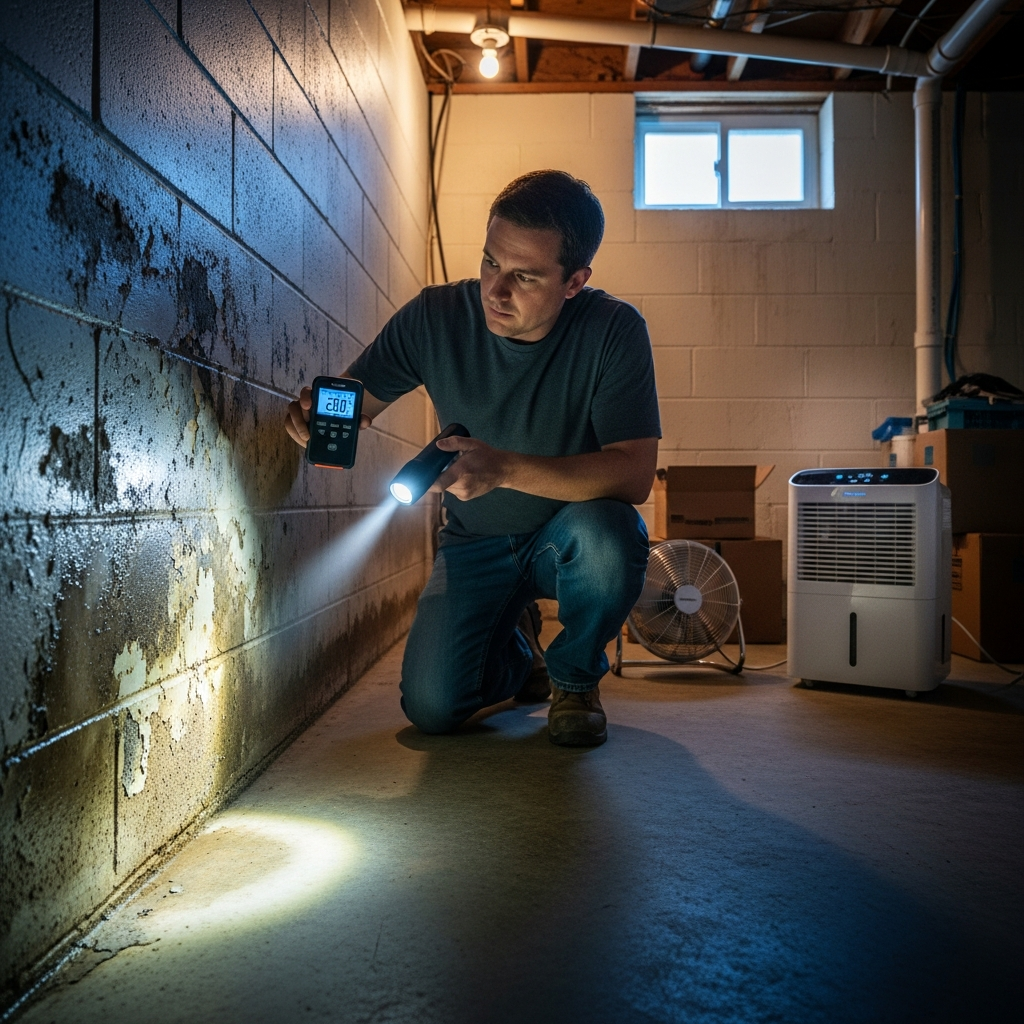
Understanding Mold Odors in Bloomfield, New Jersey Homes
Mold odor in a Bloomfield, New Jersey home is more than an unpleasant nuisance; it is a signal that moisture and microbial activity may be hiding within walls, under floors, or inside HVAC components. Because mold thrives where water lingers and ventilation is poor, the smell is often your first alert that something needs attention. Acting early protects your home’s structure and helps safeguard indoor air quality. This troubleshooting guide will walk you through how to identify sources, confirm causes, take immediate actions, and determine when specialized help is warranted.
Bloomfield’s climate brings humid summers, quick temperature swings in spring and fall, and wet winters that put consistent stress on building envelopes. Basements, crawl spaces, bathrooms, and attics frequently become microclimates where musty odors develop. A practical approach blends detective work and preventive maintenance. As you read, you will find detailed steps for tracing the smell, drying and cleaning affected areas, and preventing recurrence. If you prefer to move faster, or if you suspect hidden contamination beyond your reach, professional mold odor removal can coordinate testing, moisture mapping, and targeted remediation.
Before you begin, keep safety in mind. If you notice widespread staining, extensive water damage, or if anyone in your household experiences respiratory irritation that worsens at home, pause and consider an expert assessment. This guide focuses on light to moderate issues where homeowners can act confidently. For larger areas, suspected sewage exposure, or if you are immunocompromised, the safest route is to engage trained professionals who can apply containment and proper filtration methods.
Why Mold Odors Appear and Linger
Mold odors are caused by microbial volatile organic compounds released as fungi grow and metabolize. They intensify when humidity rises, ventilation falters, or temperatures fluctuate. In Bloomfield, common contributors include damp basements after heavy rain, condensation on cool masonry, poorly vented bathrooms where steam accumulates, and attics where warm air meets cold roof sheathing. Even if you cannot see visible growth, the smell can be strong because porous materials like drywall, carpet, and wood hold moisture and organic dust that feed colonies.
Another reason the smell lingers is that odor molecules embed in soft materials and dust reservoirs. A quick cleaning may reduce the odor for a day or two, but if the moisture source persists or if the hidden colony remains, the smell returns. Effective troubleshooting requires addressing both the source of moisture and the odor reservoirs. That means tracking leaks and condensation patterns while also cleaning, drying, and filtering indoor air thoroughly.
It is also common to find that more than one factor is involved. For example, a dehumidifier may keep the basement at an acceptable humidity for most of the year, but a clogged exterior downspout allows stormwater to seep in during heavy rain. The odor spikes only after big storms, masking the root cause. Or an older bath fan may be underpowered, clearing some humidity but not enough after long showers.
Step-by-Step Troubleshooting Roadmap
Step 1: Identify when and where the odor is strongest. Note the time of day, weather conditions, and whether the HVAC is running. Odors that intensify after showers suggest bathrooms; smells stronger after storms suggest the basement or foundation walls; mustiness near ceiling fixtures may implicate the attic or a roof leak.
Step 2: Check recent water events. Review any spills, appliance overflows, roof leaks, or snow melt incidents. In Bloomfield’s freeze–thaw cycles, ice dams can force water beneath shingles, dripping into attics and upper walls. A past incident may have dried superficially but left moisture trapped inside cavities.
Step 3: Test humidity patterns. Use a hygrometer to measure relative humidity in suspect areas in the morning and evening for several days. Readings above 60 percent indicate elevated risk. Compare rooms; a single space with higher readings is a strong clue. Record results so you can see trends and evaluate the impact of your corrective actions.
Step 4: Examine plumbing lines and fixtures. Look under sinks, around toilet bases, behind dishwashers, and near washing machines. Even a slow drip adds persistent moisture. Feel supply lines and traps for condensation, especially on hot days when cold water piping sweats.
Step 5: Inspect foundation and exterior drainage. Confirm gutters and downspouts discharge well away from the foundation. Look for negative grading where soil slopes toward the house. After rain, walk the property to see where water pools. In rowhouse blocks or tightly spaced neighborhoods, ensure shared drainage routes are clear.
Step 6: Check the basement and crawl space perimeter. Look for white efflorescence on masonry, which signals moisture movement. Press a paper towel to suspect mortar joints; if it dampens, moisture is active. Notice any musty air when you first open the door after it has been closed for a while.
Step 7: Review bathroom ventilation. Run the bath fan and confirm it exhausts outdoors, not into the attic. Time how long condensation lingers on mirrors after a hot shower. If condensation persists beyond 10 to 15 minutes, you likely need a more powerful fan or longer runtime.
Step 8: Evaluate the attic. On a mild day, carefully enter and sniff for mustiness. Look for darkened sheathing or rusty nails indicating condensation. Confirm that soffit vents are open and not blocked by insulation baffles. Make sure bath and kitchen fans terminate outside, not into the attic.
Step 9: Assess flooring and carpets. Wet padding under carpet can hold odor long after the surface feels dry. Lift a corner if safe to do so. If you discover dampness or staining, you may need to remove and replace the pad or treat the subfloor after thorough drying.
Step 10: Consider the HVAC system. Dirty coils, wet drip pans, or clogged condensate lines can spread musty smells through the supply ducts. Turn off power and check the pan for standing water. Replace filters regularly, and if odors are strongest when the system runs, suspect microbes inside the air handler or duct insulation.
Immediate Actions to Reduce Odor
Increase ventilation where safe. Open windows during dry weather and use portable fans to promote cross-breezes. Run bathroom and kitchen exhaust fans longer after generating humidity. When outside air is very humid, prioritize dehumidification instead of open windows.
Dry wet materials quickly. Use a dehumidifier to bring relative humidity below 50 percent. Elevate rugs, move furniture away from walls, and create space for air circulation. The faster you remove moisture, the less likely mold is to establish or expand.
Clean dust reservoirs. Vacuum with a machine equipped with a high-efficiency filter to remove spores and settled dust from floors, carpets, and upholstery. Wipe hard surfaces with a mild detergent solution and change cloths frequently so you are not spreading residues.
Address small, visible colonies carefully. Wear basic protection, such as gloves and a mask rated for particulates, and avoid dry brushing. Dampen the area lightly before cleaning to reduce aerosolization. If you encounter extensive growth, deteriorated drywall, or a heavy smell that makes you cough, stop and plan for professional remediation.
Pinpointing Hidden Moisture
If the smell persists despite basic drying and cleaning, expand your search. Probe baseboards gently with a thin tool to detect soft spots. Look for staining at drywall seams or discolored paint that suggests moisture under the surface. Behind furniture, check for a temperature difference or dampness against exterior walls, which can indicate condensation.
Pay special attention to transitions between materials, such as where tile meets drywall, around bath surrounds, or at the junction of slab flooring and finished walls. Capillary action and wicking can carry moisture inches or feet away from the original wet spot. When you locate a suspect area, keep monitoring humidity and temperature so you can verify progress as you dry.
If you determine the issue is systemic, like a high-water table after storms or persistent basement humidity, consider long-term improvements. These include repairing downspouts, improving grading, sealing foundation cracks, boosting exhaust ventilation, and upgrading attic insulation baffles to preserve airflow from soffits to ridge vents.
When to Seek Professional Help
There are clear signals it is time to bring in experts. If you cannot locate the source yet the odor continues, if multiple rooms are affected, or if previous attempts did not resolve the smell, outside help is warranted. Homes with prior flooding, chronic condensation, or known roof leaks may harbor colonies inside wall or ceiling cavities that require controlled removal. Mid-project uncertainty is also a good reason to pause and get guidance so you do not disrupt hidden contamination and spread it further.
Professional teams can apply moisture meters, infrared cameras, and containment strategies to target the problem precisely. They can also advise you on what can be cleaned versus what should be removed and replaced. If you decide to go that route, schedule at a time when family members with sensitivities can be away during the dustiest phases, and plan ventilation and filtration support for a clean re-occupancy. For a balanced approach that blends DIY with expert intervention, consider scheduling an assessment focused on mold odor solutions so that scope and priorities are clear.
Preventing the Return of Musty Smells
Prevention rests on controlling moisture and keeping surfaces clean. Maintain indoor relative humidity between 40 and 50 percent when possible. Use bath fans during and at least 20 minutes after showers. In the kitchen, always run the range hood while boiling water. In basements, keep storage off the floor and away from exterior walls, allowing air to move freely.
Seal small penetrations where humid indoor air can enter cold cavities, such as around attic hatches, plumbing stacks, and recessed lights. Weatherstrip exterior doors and ensure window weep holes are clear. Insulate cold water lines in summer to reduce condensation. Service the AC system annually to ensure the condensate line drains freely.
Adopt a light but regular cleaning routine that targets dust reservoirs. Launder washable textiles routinely, rotate area rugs to allow even drying, and vacuum under furniture. The point is not sterility but to reduce the organic load so that if moisture appears, there is less food available for spores to colonize.
Special Situations in Bloomfield Homes
Older Bloomfield houses with stone or block foundations may show occasional seepage lines after nor’easters. If you notice recurring odor following those events, evaluate the exterior first, then enhance dehumidification. Cape-style homes with knee walls often trap humid air in triangular attic spaces; installing proper baffles and ensuring soffits are clear can resolve lingering odor without invasive work.
For multifamily buildings, coordinate with neighbors and the property manager when odors seem to migrate through shared walls or risers. In such cases, a combined inspection may be more effective, because one leak can influence multiple units. Also, if you use window AC units, regularly check the tilt and drain path so condensate exits outdoors, not indoors.
Frequently Asked Questions
Q: Is a mold odor always a sign of active growth? A: Not always. Odor can persist after growth has been halted because molecules remain in porous materials. However, odor should still prompt a search for current moisture to ensure the problem is not recurring.
Q: Do air purifiers eliminate mold odor? A: Filtration can reduce particles and some odor, especially with activated carbon, but it does not replace the need to fix moisture. Use purifiers as a supplement, not a substitute for drying and cleaning.
Q: How long should I run a dehumidifier? A: Run it until your hygrometer consistently reads below 50 percent relative humidity, then adjust as seasons change. In summer, continuous operation in basements may be appropriate.
Q: Can I paint over a musty-smelling wall? A: Odor-blocking primers may help with residual smells, but painting over damp or contaminated material traps moisture and can worsen problems. Dry and clean first, verify the source is resolved, then paint.
Q: When should I replace carpet padding? A: If padding has been wet, especially for more than 24 to 48 hours, replacement is often the safest route. Odor molecules and spores embed in pad material and are hard to remove fully.
Q: What if the smell is stronger when the AC runs? A: Inspect the air handler, coil, and condensate pan for biofilm or standing water. Replace filters and consider a professional cleaning of the system if contamination is present.
Q: Is bleach the best cleaner for mold odor? A: On nonporous surfaces, a diluted disinfectant may help, but for porous materials bleach is less effective and can add moisture. Mild detergent and controlled drying are often safer for small areas.
Q: Do houseplants increase mold odor? A: Damp soil can contribute humidity and odor, especially if overwatered. Use saucers, avoid standing water, and consider reducing plant density in problem rooms.
Get Help Restoring Fresh Air in Your Bloomfield Home
When the musty smell will not budge or you want a confident path from inspection to resolution, reach out for local expertise. A focused plan can verify moisture sources, outline targeted cleaning, and recommend improvements that keep your home dry through Bloomfield’s changing seasons. For trusted guidance and responsive service, connect with dedicated professionals in mold odor remediation so you can breathe easier and protect the comfort and value of your home.