
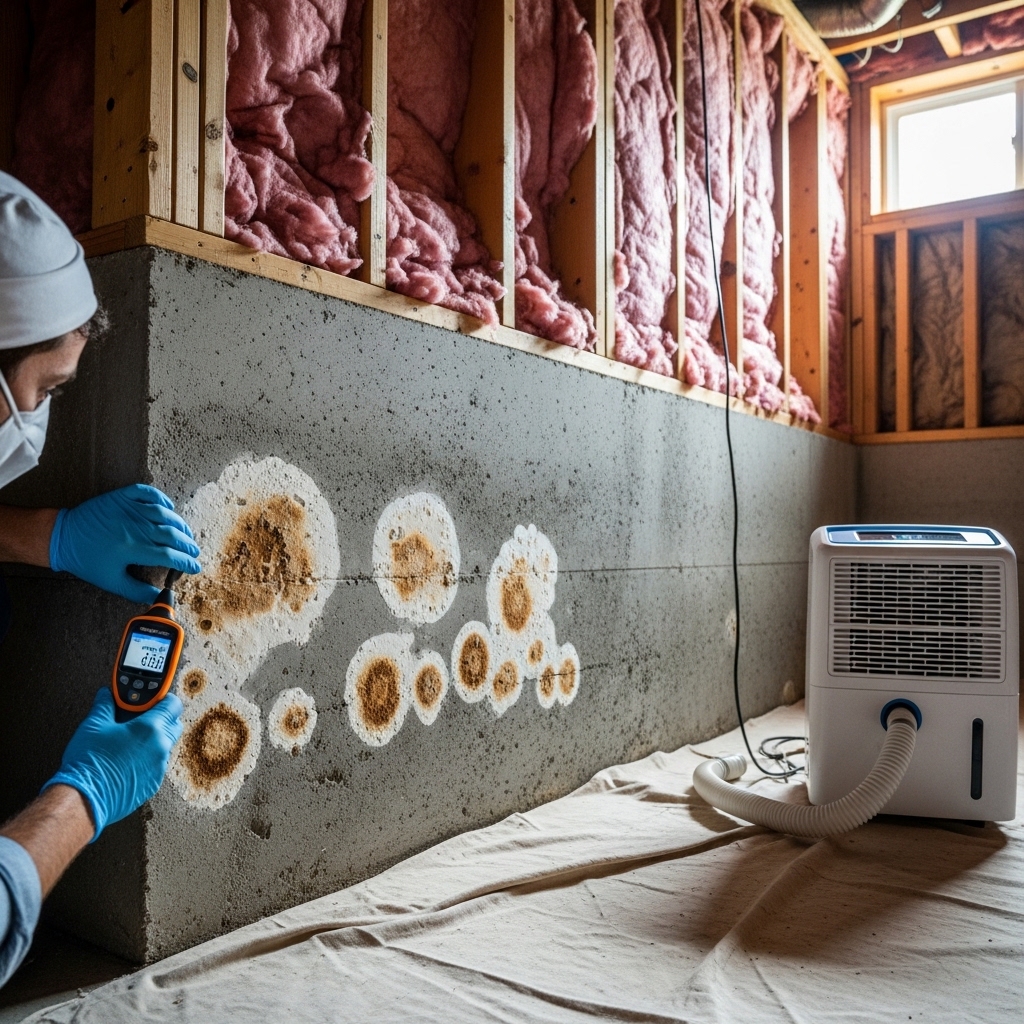
Basements in Bloomfield, New Jersey are vulnerable to humidity, seepage, and seasonal temperature swings that create favorable conditions for fungal growth. When you find a musty smell, spots on foundation walls, or discoloration on wood and drywall, it is natural to wonder what factors will influence the overall investment required to return your space to a clean, dry condition. This guide explains the drivers that shape basement remediation budgets, what work typically includes, and how to prepare your home to make the process efficient. To begin with clarity, remember that professional mold remediation focuses on source removal, moisture correction, and safe work practices—not quick cover-ups.
Every basement is different. Older homes may have porous foundation walls that admit groundwater during heavy rain, while newer foundations may experience condensation along colder surfaces. Finished basements can hide dampness behind wall panels and insulation, and utility rooms often accumulate minor leaks over time. The right solution depends on a detailed assessment and a tailored plan that balances removal, cleaning, drying, and prevention.
Key factors that influence basement remediation budgets
The overall investment for a basement project is shaped by unique conditions at your property. It helps to think in terms of scope and complexity rather than simple square footage. The following elements commonly have the greatest impact on the level of effort and resources required.
- Extent of moisture impact: Localized growth on a small wall section requires less work than widespread contamination that spans multiple rooms. Moisture that traveled into stud cavities, subfloors, or insulation increases the labor and time needed.
- Accessibility: Open, unfinished basements are easier to contain and treat than finished spaces with built-ins, dense storage, or narrow stairways. Limited access can add time for setup and careful handling of materials.
- Surface types and materials: Porous materials like drywall and insulation often need removal. Concrete, masonry, and framing can be cleaned if they are structurally sound. The mix of materials dictates the balance between demolition and cleaning.
- Source of moisture: Active seepage, plumbing leaks, or high ambient humidity must be managed to achieve lasting results. Addressing the source may involve repairs beyond the remediation scope, such as sealing penetrations or improving drainage.
- Containment requirements: The need for robust containment and negative air depends on the size of the affected area and the potential for cross-contamination into finished living spaces.
- Verification needs: Some projects benefit from third-party post-remediation verification for peace of mind, especially when occupants are sensitive or when there is a history of significant water damage.
Typical basement remediation workflow
A professional sequence ensures both visible growth and underlying causes are addressed. While details vary, most basements follow a consistent pattern that helps control risk and produce durable outcomes.
- Assessment and mapping: Technicians inspect for visible growth, use moisture meters or thermal imaging to locate damp zones, and map areas for removal and cleaning.
- Containment setup: Plastic barriers, sealed vents, and negative air machines with HEPA filtration isolate the work area and reduce airborne spread.
- Selective removal: Porous materials that cannot be reliably cleaned—such as heavily affected drywall, saturated insulation, and certain floor coverings—are removed and discarded responsibly.
- Cleaning and HEPA vacuuming: Remaining surfaces are vacuumed with HEPA filtration, agitated, and cleaned with appropriate products to remove residual contamination.
- Drying and dehumidification: Equipment runs to bring materials back to stable moisture levels. Technicians verify progress with readings at set intervals.
- Source correction guidance: Crews identify conditions that require attention—such as gutter issues, grading, air leaks, or ventilation—and provide recommendations for long-term control.
- Verification and documentation: Photos and notes record what was found and completed. Optional third-party verification may confirm readiness for rebuild.
Finished vs. unfinished basements
Unfinished basements typically involve straightforward containment and direct access to exposed masonry and framing. Finished basements, on the other hand, may require careful removal of trim, built-ins, paneling, or flooring to reach affected cavities. This difference influences the time required and the number of steps needed to achieve a thorough result. If the space includes bedrooms, offices, or playrooms, protecting clean areas becomes especially important to minimize disruption.
Homeowners often ask whether a minor spot can be treated without opening walls. The answer depends on moisture readings and the likelihood of hidden dampness. When materials behind the surface are wet, selective removal is more effective than surface-only cleaning, which can allow problems to return.
Moisture sources common to Bloomfield basements
Local homes experience several recurring moisture patterns. In heavy storms, downspouts that discharge too close to the foundation can send water toward the basement. Soil grading that slopes inward rather than away from the home contributes to seepage. Inside, laundry areas, water heaters, and condensation from air conditioning systems can leak slowly, leaving behind elevated humidity and musty odors. Recognizing these patterns during assessment helps target the most impactful preventive steps.
Even if your basement feels dry most of the year, seasonal humidity spikes can be enough to sustain growth on cooler surfaces. Dehumidification, air sealing, and ventilation improvements play a key role in maintaining stability.
How homeowners can prepare to streamline the project
Preparation can make a tangible difference in the efficiency of basement remediation. Before work begins, clear access to the affected walls and mechanical areas by moving boxes and stored items to designated clean zones. Identify items that need special care, and discuss contents handling with your provider. Make a path for equipment from the exterior door to the basement stairs to reduce setup time and protect flooring.
Keep a list of known or suspected water incidents, such as past storms that led to dampness or a previous appliance leak. This timeline helps technicians focus on likely trouble spots. If possible, have any active plumbing leaks repaired ahead of the remediation start date.
What not to do
Avoid painting or sealing over visible growth before evaluation. Coatings can trap moisture and make later removal more disruptive. Do not run fans in an uncontained area, as this can spread spores to other rooms. Refrain from large-scale DIY removal in finished basements without proper containment, as you may inadvertently cross-contaminate clean areas and increase the eventual scope of professional work.
Understanding scope without relying on numbers
While people often look for a simple numerical answer, basement projects vary widely. The most useful approach is to understand how scope drives effort. A small, defined patch on an unfinished wall with a known leak that has been fixed is much simpler than a multi-room finished basement with hidden dampness and materials that must be removed carefully. By focusing on conditions and steps rather than dollar figures, you get a clearer picture of what the job truly entails.
Ask providers to explain the sequence they will follow, how they will protect clean areas, and what criteria they use to decide between removal and cleaning. This clarity helps you compare plans based on thoroughness and suitability for your home.
Long-term prevention and maintenance
Once remediation is complete, prevention ensures that your investment pays off. Keep gutters clean, downspouts extended, and soil sloping away from the foundation. Seal penetrations where utilities enter, insulate cold water pipes that sweat in the summer, and run exhaust fans in nearby bathrooms. In rainy seasons, monitor basement humidity and consider a dehumidifier set to maintain a comfortable range. These habits reduce the likelihood of future growth.
If you are finishing or refinishing a basement, consider materials and designs that tolerate occasional humidity better than traditional options. Balanced ventilation, vapor control strategies, and insulation that manages condensation points can all contribute to a stable environment.
Comparing plans from different providers
When you receive plans from multiple providers, look beyond simple summaries. A trustworthy plan details containment measures, removal versus cleaning decisions, equipment strategies, and verification steps. It also describes how your contents will be handled and how the team will communicate progress. The best partners invite questions and are comfortable explaining their reasoning. This openness is a sign of confidence and professionalism.
In the middle of your research process, keep in mind that expert mold remediation is a methodical practice guided by moisture science and safety standards. Selecting a provider that follows a disciplined workflow is as important as the work itself.
Frequently Asked Questions
Q: Do I need to remove all finished materials? A: Not always. Materials that are wet and porous or that show significant growth typically need removal. Non-porous or lightly affected materials may be cleaned. Moisture readings and visual inspection guide these decisions.
Q: Can I use bleach and be done? A: Bleach is not a comprehensive solution, especially on porous materials. Effective remediation focuses on source removal, thorough cleaning, and moisture control. Surface-only applications rarely solve underlying issues.
Q: How long will the basement be out of service? A: Timelines depend on the scope, drying needs, and any reconstruction that follows. Your provider should offer a realistic schedule after assessment and keep you updated throughout the process.
Q: What about my stored belongings? A: Contents can often be cleaned and returned to service. Items with heavy exposure and low material value may be better discarded. Discuss priorities and sentimental items with your team early in the process.
Q: Do I need post-remediation testing? A: For sensitive occupants or extensive projects, third-party verification offers reassurance. For small, straightforward jobs with clear visual outcomes and proper documentation, it may be optional.
Q: Will a dehumidifier be enough to prevent future growth? A: Dehumidifiers help, but they are most effective when paired with drainage management, air sealing, and ventilation. Prevention is a systems approach.
Putting it all together
Your basement is a valuable part of your home, whether it is a storage area, workshop, or living space. A well-planned remediation project removes contamination, corrects moisture issues, and sets you up for long-term stability. By focusing on conditions, methods, and preventive steps, you can make informed decisions without relying on simplistic numbers. Gather clear plans, ask detailed questions, and choose partners who emphasize safety, transparency, and durable results.
Ready to protect your Bloomfield basement?
If you are evaluating options and want guidance tailored to your home’s unique layout and history, connect with a local specialist who can explain each step and answer your questions. For proven, professional mold remediation in basements and beyond, reach out today to start building a clear plan toward a cleaner, drier, and healthier space.