Searching for the best mold remediation companies in Bloomfield, New Jersey can feel overwhelming. Many firms promise quick results, yet what truly matters is a disciplined process and consistent outcomes. The most reliable providers combine careful assessment, strong containment, effective removal and cleaning, thorough drying, and a clear plan to prevent recurrence. At the start of your search, it helps to understand the hallmarks of quality so you can separate marketing language from operational excellence. One reliable signal is a service approach centered on professional mold remediation methods rather than shortcuts.
Bloomfield’s climate and housing stock introduce recurring challenges for homes and businesses: basement humidity, bathroom dampness, occasional roof leaks, and condensation in attics and utility rooms. Top companies know these patterns and tailor solutions accordingly. They also communicate clearly, protect clean areas, and keep work zones organized for safety and efficiency.
What makes a remediation company stand out
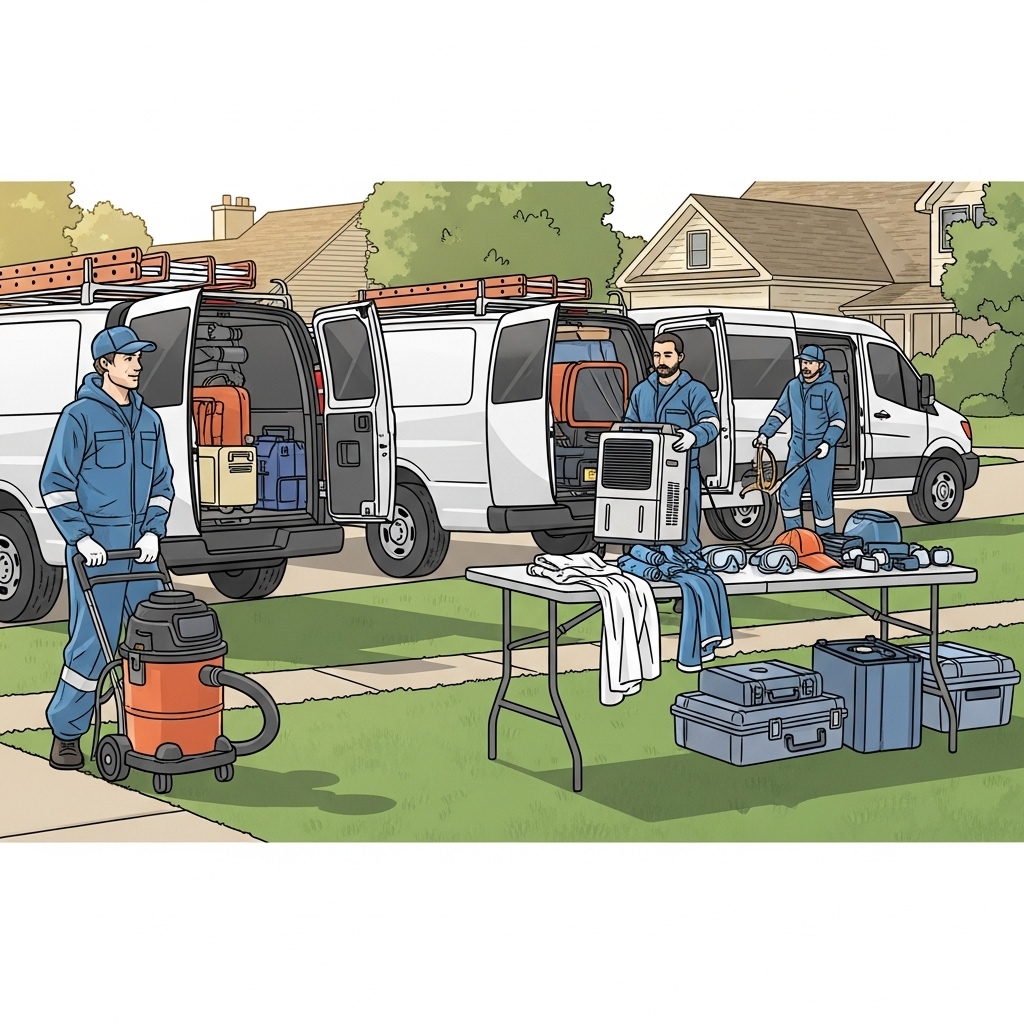
The best providers do more than clean surfaces. They identify moisture sources, decide intelligently between removal and restoration of materials, and use containment to prevent cross-contamination. Their teams wear appropriate protective gear, document work, and verify that treated areas are dry and ready for rebuild.
Look for a company that explains its plan in plain language. You should understand how they will protect your home, what materials they will remove, what they will clean and salvage, and how they will confirm results. Transparency is a sign of competence and care.
Essential elements of a high-quality process
- Assessment and moisture diagnostics: Identify the true boundaries of the problem using meters and visual inspection.
- Containment and negative air: Isolate the work zone and use HEPA filtration to control airflow.
- Selective removal: Remove porous materials that cannot be effectively cleaned.
- Cleaning and HEPA vacuuming: Treat remaining surfaces to remove residues.
- Drying and verification: Return materials to stable moisture levels and document readiness for rebuild.
- Prevention guidance: Address ventilation, drainage, and humidity control to reduce recurrence.
Local expertise matters
Experience with Bloomfield’s typical building types is invaluable. A contractor who has worked in row homes, capes, colonials, and multifamily buildings knows where moisture hides and how to protect adjacent units or shared spaces. They also anticipate seasonal humidity swings and tailor long-term prevention recommendations to local conditions.
Local familiarity speeds up decision-making during the job, too. When a team already understands common basement layouts or attic ventilation quirks, they can plan more effectively and minimize disruption.
Evaluating communication and professionalism
From the first call, note how well a company listens and explains. Do they ask about the history of water incidents, your concerns, and occupant sensitivities? Do they provide a written scope that details containment, removal, cleaning, drying, and verification? Are they clear about how they will protect clean areas and handle contents? Professionalism shows up in preparation, not just in the final result.
During work, look for orderly staging, daily cleanup, and courteous crew behavior. Post-project, expect documentation with photos and notes that describe what was found and what was done. These details create confidence and support future maintenance.
Questions to ask before hiring
- How will you determine the full extent of the problem and find hidden dampness?
- What containment measures will you use to protect my home or business?
- Which materials do you typically remove versus clean, and how do you decide?
- How will you manage airflow and filtration during the project?
- What does your verification process include before rebuild begins?
- How will you handle my belongings in and near the work area?
- Can you describe similar projects you have completed in Bloomfield?
Red flags and how to spot them
Beware of companies that promise instant results without discussing containment or moisture control. Be skeptical of plans that rely solely on fogging or surface sprays, especially if porous materials are wet. Vague scopes, reluctance to document work, or unwillingness to answer detailed questions are signs to move on. A thorough provider welcomes scrutiny and explains each step.
Another warning sign is a plan that avoids addressing the water source. Without correcting leaks, ventilation issues, or drainage problems, even a well-executed cleaning can fail to deliver lasting results.
Comparing multiple proposals
When you have more than one proposal, compare the steps side by side. Which provider invests in robust containment? Who explains material removal versus cleaning clearly? Who outlines a drying protocol and a verification method? The best proposal shows an end-to-end plan that returns your property to a dry, clean baseline with preventive guidance built in.
Do not focus solely on timelines. While speed matters, cutting corners to finish quickly can undermine results. Seek a partner who balances efficiency with thoroughness and safety.
Residential, commercial, and multifamily considerations
Homes, offices, and multifamily buildings share many remediation fundamentals, but each has nuances. In homes, occupant comfort and daily routines are key. In commercial spaces, coordination with operations and public areas is critical. In multifamily buildings, communication with management and neighboring units ensures that shared systems and pathways are managed properly. The best companies tailor their approach to these realities.
For properties with sensitive occupants or equipment, planning around schedules and using enhanced filtration and verification can make the difference between disruption and smooth operations.
Prevention as part of the package
The best providers treat prevention as essential, not optional. That means guidance on ventilation, humidity control, and maintenance that fits your property. Tips might include running bathroom fans longer after showers, extending downspouts away from foundations, sealing penetrations, and monitoring humidity in basements and crawlspaces. A provider that educates you on prevention helps ensure that results last.
Ask for a simple maintenance checklist tailored to your property at project closeout. This keeps everyone aligned on what to watch and when to act.
Frequently Asked Questions
Q: How do I know if a company is thorough? A: Look for a detailed, written plan that covers assessment, containment, removal, cleaning, drying, and verification. Ask for examples of similar projects and what documentation you will receive.
Q: Do I need independent testing? A: For larger or sensitive projects, third-party verification can provide reassurance. For smaller, straightforward scopes, clear visual outcomes and moisture readings may be sufficient.
Q: Can we stay in the house or keep the business open during work? A: Often yes, with appropriate containment and scheduling. Your provider should explain how they will minimize disruption and protect clean areas.
Q: What happens to my belongings? A: Items near the work area are assessed for cleaning or temporary relocation. Non-porous items often clean well; porous items depend on exposure and condition.
Q: How long does the process take? A: Timelines vary with scope and drying requirements. Expect a schedule tailored to your property after assessment.
Choosing with confidence
Finding the best fit means focusing on process, not promises. Prioritize companies that emphasize containment, source control, and documentation. Choose teams with local experience and a commitment to prevention. Ask pointed questions, compare scopes carefully, and select the provider whose approach most clearly protects your property and the people who use it.
Start your search with a trusted standard
If you want a strong benchmark as you evaluate providers, consider how closely each plan follows disciplined mold remediation principles from assessment to verification. When a company’s methods align with these fundamentals, you gain confidence that the work will stand the test of time in Bloomfield’s climate and building conditions.