
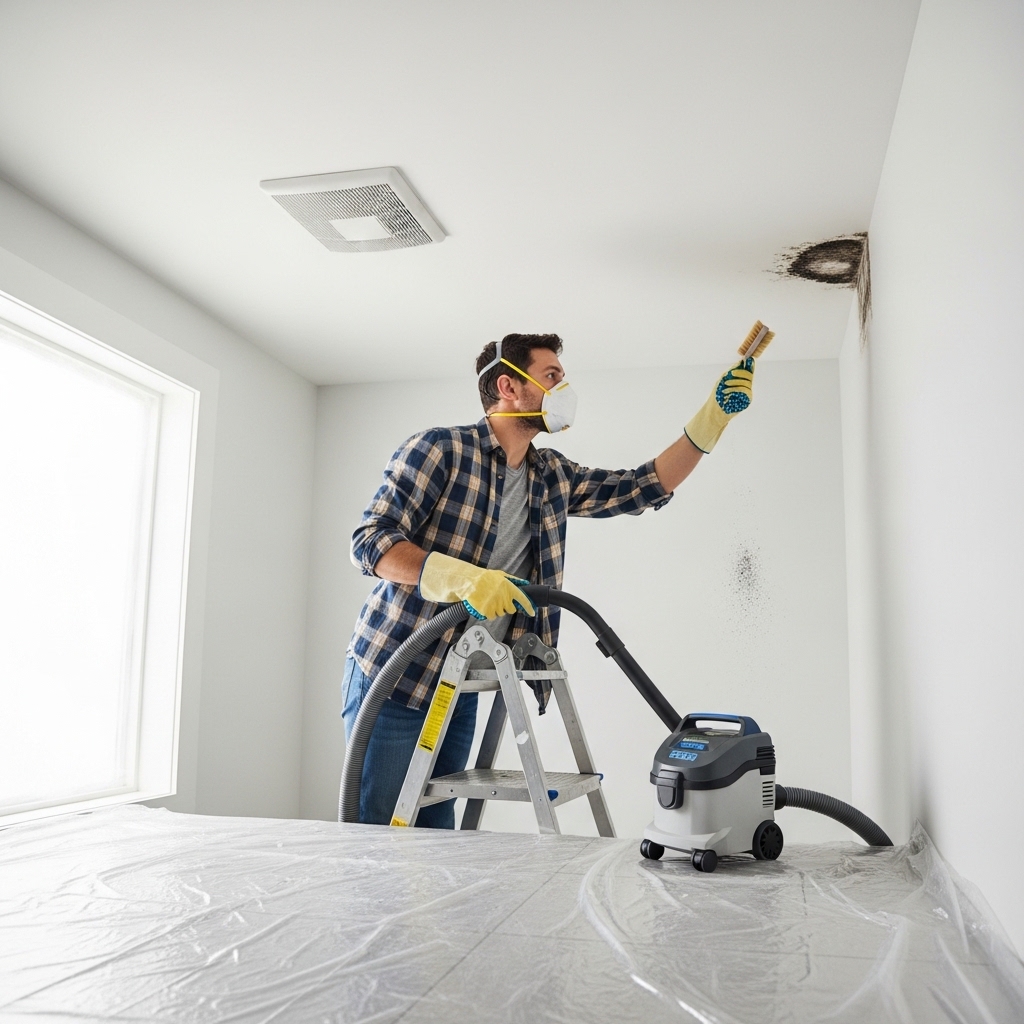
When a Bloomfield, New Jersey homeowner notices musty odors or dark spots creeping across drywall, trim, or basement walls, the immediate question is whether to tackle the problem yourself or call in a pro. This is more than a matter of convenience. It involves safety, the risk of spreading contamination, and the long-term stability of your home. To set the stage, remember that professional mold remediation is a structured process that combines moisture diagnostics, containment, removal, cleaning, and verification. Understanding what each path entails empowers you to choose wisely for your situation.
Bloomfield’s climate and housing styles make both bathrooms and basements frequent hotspots. In older homes, small roof leaks or foundation seepage can lead to hidden dampness inside walls. In newer homes, tight construction without balanced ventilation can trap humidity. Before deciding on DIY or professional help, assess the scope and consider whether there is a clear source of moisture you can address quickly.
What counts as a manageable DIY project?
DIY options are reasonable for small, well-defined issues that do not involve hidden cavities or vulnerable occupants. For example, a minor patch of growth on a bathroom ceiling caused by inadequate ventilation can often be handled by improving airflow, cleaning the surface appropriately, and repainting with suitable products once the area is thoroughly dry. The key is to be sure that moisture levels are under control and that the affected material is not deeply saturated.
Even with small projects, prioritize protection. Isolate the area, avoid running fans that could spread particles, and use a HEPA-rated vacuum for cleanup. Wear appropriate personal protective equipment. If you are uncertain about condition severity, seek an assessment before attempting removal.
Warning signs that call for professional support
Several indicators suggest that professional assistance is the safer, more reliable route. If you discover growth spanning multiple rooms or notice stains that reappear after cleaning, you likely have moisture within building cavities. A history of flooding, a slow but persistent plumbing leak, or strong musty odors with no visible source all point to hidden issues. Likewise, if occupants experience respiratory symptoms aggravated indoors, the stakes increase for thorough containment and cleanup.
Another red flag is the presence of porous materials that have remained wet for days—think insulation behind finished basement walls or carpet backing around a foundation crack. In these cases, selective removal and controlled disposal are more effective than surface-only treatments.
The anatomy of a professional remediation
Professionals approach remediation as a staged process designed to prevent cross-contamination. It begins with assessment and moisture diagnostics to find the true boundaries of the problem. Containment barriers and negative air machines with HEPA filtration control airflow and protect clean areas. Porous materials that cannot be restored are removed, and salvageable surfaces are cleaned using HEPA vacuuming and appropriate methods. Drying brings materials back to stable moisture levels, and verification confirms readiness for rebuild.
This methodical approach prioritizes source control and long-term stability. It also helps maintain order in the rest of the home, minimizing disruption to daily life while work is underway.
Health and safety considerations
Safety should guide the DIY versus professional decision. Handling contaminated materials without proper controls can spread particles and create new problems. For households with infants, older adults, or individuals with respiratory sensitivities, the margin for error is slim. Professionals bring training, protective equipment, and systems that reduce risk, making them the better choice in scenarios with heightened health concerns.
Odors and dust are additional considerations. During professional work, ventilation within containment and filtration limit nuisance impacts. Attempting similar tasks without these controls can lead to odors migrating into living spaces and lingering dust.
Bloomfield-specific challenges
Local homes often feature basements with varied finishes and mechanical rooms that serve as hubs for plumbing and HVAC. These spaces can accumulate minor leaks over time from water heaters, washing machines, or condensation on cold pipes. Seasonal humidity fluctuations compound the issue, making prevention just as important as cleanup. Understanding these patterns influences whether a DIY fix is sufficient or whether professional diagnostics are needed to find hidden moisture.
Attics also deserve attention. Inadequate ventilation or blocked soffits can trap moisture, leading to growth on sheathing or rafters. Correcting airflow and insulation issues prevents repeat problems and may require coordination with roofing or insulation contractors alongside remediation.
DIY toolkit and approach for small issues
For contained, minor problems, assemble a cautious toolkit. Use protective gear, isolate the area, and ventilate to the outdoors only if you can avoid spreading particles into living spaces. Employ HEPA vacuuming before and after cleaning to capture residues. Address the moisture source by running bathroom fans longer after showers, using kitchen exhaust while cooking, and improving dehumidification in humid months.
Patience matters. Ensure that materials are dry before repainting or reinstalling fixtures. Rushing can trap moisture and undo your work. If stains return, contact a professional for a deeper evaluation; recurring issues signal hidden dampness.
What professionals bring to the table
Beyond equipment, experienced teams bring judgment—the ability to differentiate between what must be removed and what can be saved, and to anticipate how air moves through your home. They create orderly workflows, document each step with photos and notes, and provide guidance on preventing recurrence. Their containment strategies preserve clean rooms, and their drying methods return materials to safe moisture levels before rebuilding begins.
The value is not just in cleaning more thoroughly but in steering the entire process—from assessment through verification—so that your home regains a healthy baseline with minimal guesswork.
How to decide with confidence
Start by defining scope, access, moisture source, and occupant sensitivity. If the issue is small, the source is corrected, and no one is particularly vulnerable, a cautious DIY approach may be reasonable. If any of these factors point to complexity or risk, lean toward professional help. When in doubt, request an assessment to obtain objective information before committing time and effort.
Also consider your tolerance for disruption. Professionals can often complete multi-room projects efficiently, with containment that allows parts of the home to remain in regular use. Attempting a complex job yourself may take longer and produce more disruption than expected.
FAQs: common homeowner questions
Q: Will cleaning alone fix the issue? A: Only if the problem is tiny and superficial and the moisture source is fully resolved. Deeper or recurring issues require removal of affected materials and moisture correction.
Q: Can I stay in the house during professional work? A: Often yes. Containment keeps work zones separate. Your provider will advise based on project size and occupant needs.
Q: What about my belongings near the work area? A: Contents are usually assessed for cleaning or temporary relocation. Non-porous items often clean well. Porous items depend on exposure and condition.
Q: How long does the process take? A: Timelines vary with scope and drying needs. Small, contained projects may be completed in days; larger, multi-room efforts take longer. A written plan should outline expectations.
Q: What if stains come back after I clean? A: That suggests persistent moisture or hidden contamination. Seek a professional assessment to identify and correct the underlying cause.
Prevention as a shared goal
Whether you choose DIY or professional help, the long-term goal is the same: keep the home dry and well-ventilated. Manage indoor humidity, maintain gutters and downspouts, repair leaks promptly, and use exhaust fans where moisture is generated. Periodic inspections of basements, attics, and around plumbing fixtures help catch small problems before they grow.
Consider simple upgrades such as insulating cold water lines that sweat in the summer, sealing penetrations where outside air enters, and arranging storage to allow airflow along exterior walls. These small steps reduce the chances of future issues.
Putting your plan into action
Start with a realistic assessment and a clear endpoint: a dry, clean, and comfortable home. If you are leaning toward DIY for a small issue, set boundaries and timelines to prevent scope creep. If you are leaning toward professional help, gather written plans from providers and compare how they handle containment, removal, drying, and verification. Choose the path that best fits your home’s conditions and your comfort level with the work.
In the middle of your decision-making, keep in mind that effective mold remediation balances careful removal with moisture control and prevention. The right approach is the one that restores a healthy baseline and keeps it that way.
Ready to breathe easier in your Bloomfield home?
If your situation calls for expert guidance—or if you simply want a second opinion before starting—reach out to a local team that can assess conditions, explain options, and tailor a plan. For thorough, safety-focused mold remediation delivered with clear communication, connect with a trusted professional and start your path toward a cleaner, healthier home.