Mold remediation in Bloomfield, New Jersey follows a predictable series of steps—assessment, containment, removal, cleaning, drying, and prevention—yet every project’s timeline and overall scope depend on the moisture source, affected materials, and access to the work area. While homeowners often ask about expenses, discussing exact figures is less useful than understanding what drives the process and duration. This guide explains the typical sequence, what influences project timelines, and how to plan for a smooth, efficient experience. If you want a professional team to handle the workflow end-to-end, consider reaching out to experts in mold remediation who can coordinate assessment, containment, and thorough cleanup.
Bloomfield’s climate—humid summers and chilly winters—creates conditions where moisture can accumulate in basements, bathrooms, and attics. Roof leaks, foundation seepage, and condensation on colder surfaces are common culprits. Effective remediation addresses these sources first, because the speed of moisture control heavily influences how quickly a project can move from demolition to drying and rebuild.
The Standard Mold Remediation Workflow
- Assessment and planning: Identify affected rooms, materials, and moisture pathways. A thoughtful plan sets containment boundaries and defines what will be removed versus cleaned.
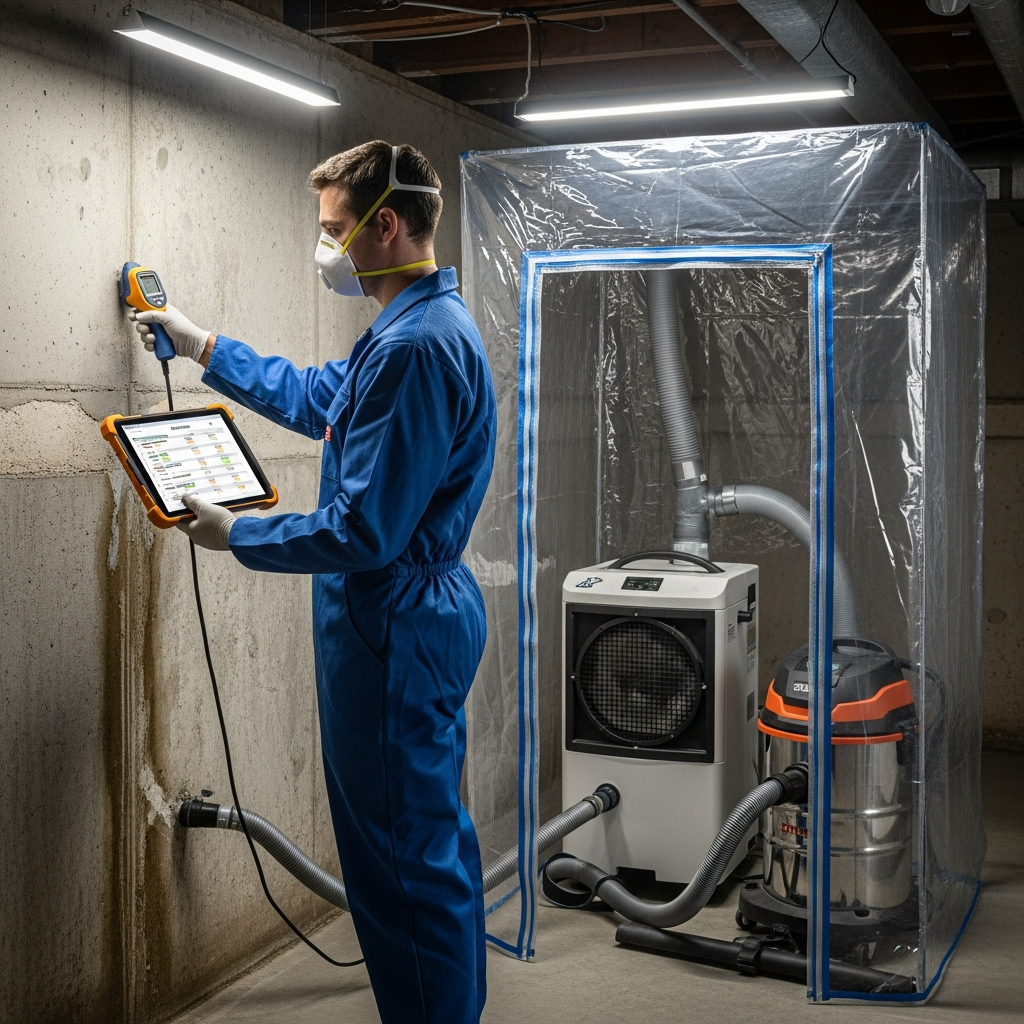
- Containment: Isolate the workspace with plastic sheeting, tape, and controlled entries. Seal HVAC vents and, when feasible, establish negative pressure to limit spread.
- Demolition and removal: Cut and bag contaminated porous materials such as drywall or carpet pad. This step’s duration depends on access, extent of damage, and the complexity of the assemblies.
- Cleaning: HEPA vacuum all exposed surfaces and perform damp wiping with a detergent solution. Repeat as needed until surfaces are dust-free and visually clean.
- Drying and dehumidification: Stabilize humidity and dry structural materials to target moisture levels. The time required depends on material thickness, ambient conditions, and airflow.
- Verification: Conduct a detailed visual inspection for cleanliness, dryness, and odor reduction. Some projects include third-party verification.
- Rebuild and prevention: Replace materials thoughtfully, improve ventilation, and implement humidity control measures to prevent recurrence.
What Influences Timeline In Bloomfield Homes
- Moisture source control: Stopping leaks or seepage early shortens the path to drying. Delays in roof repairs, plumbing fixes, or drainage improvements can extend projects.
- Extent of affected materials: Larger surface areas and multiple rooms require more removal and cleaning time.
- Access and layout: Tight spaces, built-ins, and finished basements can complicate containment and demolition.
- Material types: Thicker lumber, multiple drywall layers, or dense insulation can increase drying time.
- Season and weather: High ambient humidity in summer may slow drying without robust dehumidification; winter conditions can help or hinder depending on heating and ventilation strategies.
- Coordination with other trades: Plumbing, roofing, or HVAC repairs may need to occur before or during remediation to resolve the root cause.
Understanding The Factors That Affect Overall Scope
Instead of focusing on a single number, think about the drivers that shape your project. Scope increases as contamination spreads and as materials absorb water for longer periods. Quick action keeps the project smaller; delays allow moisture to penetrate deeper and can lead to hidden pockets of growth behind finishes.
- Source duration: Long-standing leaks usually mean a larger remediation area and longer drying.
- Hidden assemblies: Wall cavities, rim joists, and subfloors may require selective demolition for access and cleaning.
- Ventilation improvements: Adding or upgrading bath fans, ensuring attic ventilation, and confirming dryer exhausts terminate outdoors help prevent a repeat event.
- Humidity control: Dehumidification is essential in Bloomfield basements, particularly during humid months.
How To Keep Projects Efficient
- Act quickly: Isolate the area and stop moisture at the first sign of mold or dampness.
- Choose a clear plan: A step-by-step scope reduces mid-project surprises and change orders.
- Prepare the site: Clear belongings from work zones and provide access for containment and equipment.
- Coordinate repairs: Align plumbing, roofing, or drainage fixes with remediation activities to keep momentum.
- Monitor humidity: Maintain relative humidity below about 50% to support faster drying.
What To Expect Day By Day
Every home is different, but many projects progress through recognizable phases. Early days focus on containment and demolition, followed by cleaning and drying, and concluding with verification and prevention planning. Communication with your provider is crucial—expect daily updates about progress, drying conditions, and any discoveries behind walls or under flooring.
- Day 1–2: Containment setup, initial demolition of obviously impacted materials, and installation of dehumidification and airflow management.
- Day 3–4: Detailed cleaning with HEPA vacuuming and damp wiping; continued drying and moisture monitoring.
- Day 5 and beyond: Additional demolition if concealed pockets are discovered, final cleaning, verification, and preparation for rebuild where needed. Timelines shift based on discovery and drying speed.
Communication And Documentation
Professional teams photograph conditions before, during, and after work. They also record moisture readings and describe where and why materials were removed. This documentation supports your understanding of what was done and informs any future maintenance decisions. If you are working with your insurer, this level of detail helps demonstrate that moisture was addressed and that cleaning followed recognized methods.
Prevention Planning For Bloomfield Homes
- Gutters and drainage: Keep gutters clean and ensure downspouts discharge away from the foundation.
- Basement humidity: Run dehumidifiers during humid months and keep storage a few inches away from exterior walls to promote airflow.
- Bathroom ventilation: Install timed exhaust fans that vent outdoors and run them during and at least 20 minutes after showers.
- Air sealing and insulation: Reduce condensation on cold surfaces by weatherstripping windows and improving insulation where feasible.
- HVAC maintenance: Replace filters regularly and keep condensate drains clear to prevent overflow and leaks.
Frequently Asked Questions
Do I need testing before remediation? Visible growth and a known moisture source are enough to begin safe remediation. Testing can be useful when problems are hidden, when there are health concerns, or to verify after cleanup.
How long will drying take? It depends on material thickness, indoor humidity, and airflow. Many projects require multiple days of controlled drying; thicker or saturated materials may take longer.
Can I remain in the home during remediation? With proper containment, many homeowners can remain, avoiding the work zone during demolition and cleaning. For larger scopes, consider limiting occupancy in affected areas.
How can I keep the project from expanding? Act quickly, fix moisture first, and maintain strong containment. Early intervention limits contamination and reduces follow-on work.
What should I do if new areas are discovered mid-project? Expect your provider to pause, update the scope, adjust containment, and communicate the plan for safe access and cleaning.
Putting The Pieces Together
Successful mold remediation projects run on a simple formula: solve moisture, control the workspace, remove contamination, clean thoroughly, and dry until stable. Clear communication keeps surprises small and momentum strong. If you want trained help coordinating each step and tailoring the strategy to Bloomfield’s climate and building styles, consider engaging professionals for comprehensive mold remediation.
Take control of your timeline by acting now. Connect with a Bloomfield team that prioritizes containment, HEPA cleaning, and moisture management from day one. Schedule professional mold remediation to restore a clean, healthy indoor environment and keep future issues at bay.