
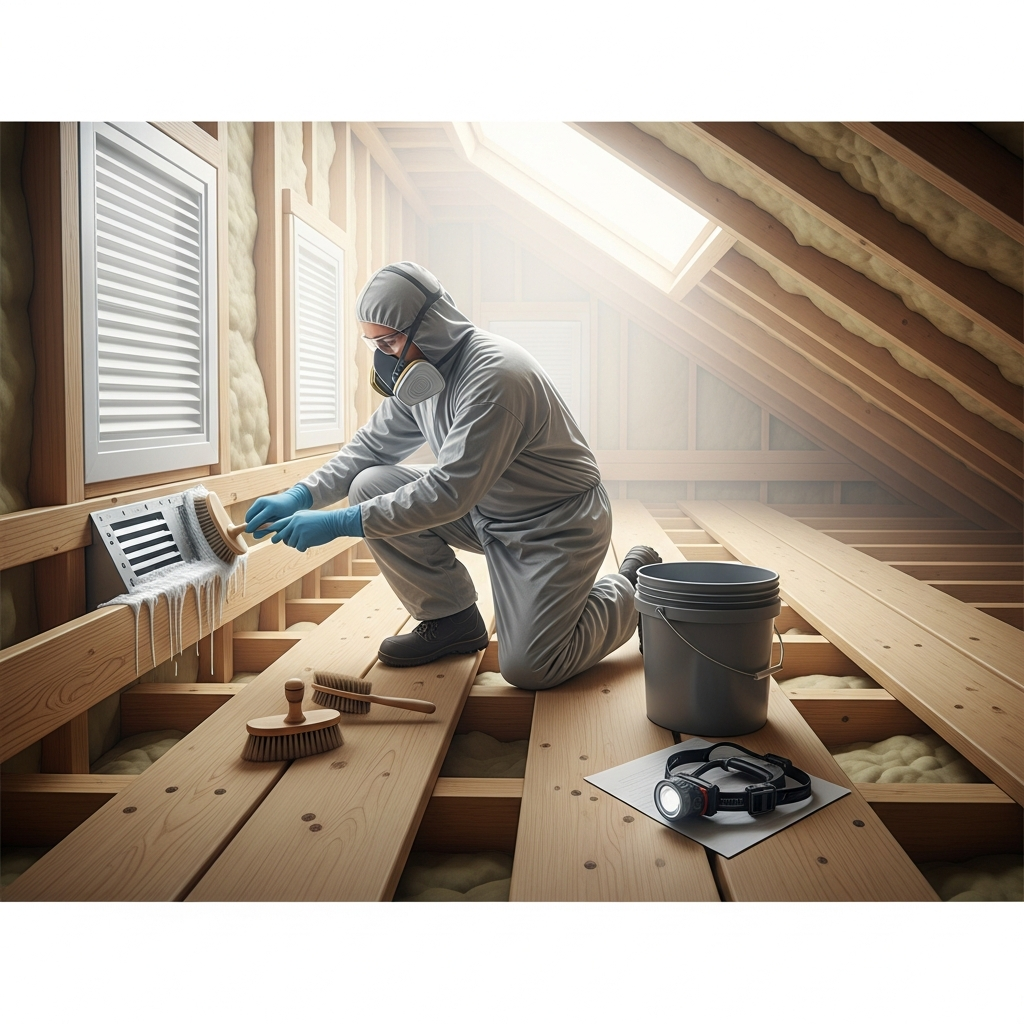
Attics in Bloomfield, New Jersey are prime areas for hidden moisture and fungal growth, especially through cold winters and humid summers. When warm household air sneaks into the attic and meets cool roof decking, condensation can form and feed colonies on sheathing and rafters. Roof leaks, blocked soffit vents, and bathroom fans that exhaust into the attic instead of outdoors compound the issue. Because the attic is out of sight, problems can progress for months before they are discovered during a real estate transaction or seasonal inspection. Getting familiar with warning signs, common causes, and a step-by-step response ensures your home remains healthy from the top down. If conditions look extensive, it is wise to talk with a local team experienced in mold removal so problems in ventilation, insulation, and air sealing are addressed alongside cleanup.
Unlike basements, attics are dry spaces by design; any persistent dampness signals a building science imbalance. In Bloomfield’s climate, stacked effects draw warm, moist air upward through gaps around lights, hatch doors, and wall top plates. Snow cover and freeze-thaw cycles can create ice dams that back water under shingles, wetting the roof deck. Meanwhile, summer humidity combined with inadequate ventilation can keep the attic air stale and hot. The solution requires more than wiping visible spots. It calls for systematic moisture control, cleaning, and long-term prevention.
Early Attic Warning Signs
Look for dark staining or fuzz-like patches on the underside of roof sheathing, especially near eaves and valleys where airflow is weakest. Rusting nail tips, drips on the attic floor after storms, and a sweet musty smell are other clues. In winter, frost buildup on sheathing that melts and refreezes is a red flag. Inside your living space, ceiling stains near exterior walls and rooms that feel drafty or stuffy can be indirect indicators that air sealing and insulation are not balanced, contributing to moisture problems above.
Finding the Source: Ventilation, Leaks, and Air Leaks
Three culprits dominate most attic contamination cases: poor ventilation, roof leaks, and uncontrolled interior air leakage. Adequate soffit intake and ridge or roof-peak exhaust keep air moving under the deck, flushing out moisture. If soffit vents are painted over or blocked by insulation, or if a ridge vent is missing or undersized, moisture can linger. Roof leaks near penetrations—plumbing stacks, antennas, skylights—and along flashing details can drip slowly enough to go unnoticed. Finally, warm interior air escaping into the attic through gaps around recessed lights, attic hatches, or bath fans delivers the moisture that fuels growth. Effective remediation addresses all three.
Safety and Set-Up
Before work, protect yourself. Wear an appropriate respirator, gloves, eye protection, and coveralls. Place walk boards to avoid stepping through drywall and mark truss chords to stay balanced. Keep the attic hatch sealed to the living space during cleaning, and consider temporary protection in the rooms below to catch any incidental dust. Ensure that bath and kitchen ducts vent outdoors and are not just terminating under the roof deck.
Attic Mold Removal: A Practical Sequence
Start by correcting active leaks and verifying ventilation pathways. Clear soffit vents using baffles, and confirm there is a continuous ridge vent or equivalent high exhaust. Next, address air sealing at the attic floor—seal around electrical penetrations, top plates, and the hatch using foam and appropriate gaskets. With sources controlled, move to remediation: HEPA vacuum the sheathing and framing to capture loose particulate, then scrub contaminated areas with a detergent solution, working methodically from the ridge toward the eaves. Dry the space thoroughly by promoting airflow through the newly improved ventilation. In some cases, light abrasion of stained wood may be recommended to remove embedded residue before a protective coating is applied; always ensure the area is fully dry prior to coating.
Insulation and Air Sealing Go Hand-in-Hand
Once cleaned, upgrade insulation to recommended levels for North Jersey while keeping ventilation channels open. Install baffles at all eaves to keep airflow from soffits unobstructed. Air-seal the attic floor first, then add insulation so warm, humid household air cannot bypass it. Pay special attention to bath fans: vent them outdoors through appropriate ducting, and avoid flexible ducts that sag and collect condensation. Properly balanced air sealing and insulation reduce heat loss, prevent ice dams, and keep the roof deck drier year-round.
Preventive Maintenance for Bloomfield Homes
Seasonal checkups make a big difference. In autumn, clear gutters and verify downspouts discharge well away from the foundation; this prevents moisture from getting inside walls and rising into the attic. After winter storms, scan for ice dams and schedule timely roof inspections. In spring and summer, look for wasp nests or debris clogging soffit or ridge vents and listen for rattling ducts that may have come loose. Keep bathroom and kitchen fans in good repair, and run them long enough to purge humidity after showers and cooking.
Addressing mid-project insights is critical. Many homeowners discover that superficial cleaning is not enough until relative humidity stabilizes and airflow improves. If the staining is widespread or access is limited by tight framing and low clearances, bringing in a crew seasoned in attic-specific practices ensures that ventilation upgrades and cleaning are synchronized. This is where partnering with a specialist in attic mold removal techniques can streamline the process, from establishing safe access to verifying that the deck has dried to acceptable levels before insulation is replaced.
Repairing Roof and Framing Components
If roof leaks caused damage, replace compromised shingles and repair flashing. For wood members with superficial staining but no structural decay, cleaning and drying usually suffice. If decay is present, consult a qualified contractor to determine whether sistering or replacement is required. Sheathing that has delaminated or lost integrity must be replaced to restore a sound nailing surface for roofing and to ensure long-term durability.
Appearance vs. Cleanliness
Even after careful cleaning, some cosmetic discoloration can remain in wood surfaces without indicating active growth. Focus on dryness, cleanliness, and prevention rather than perfect cosmetics. A protective coating may improve appearance while reducing future dust adhesion, but it should never conceal ongoing moisture issues. Verification with moisture meters and a clear plan for ventilation ensures that what you do not see—stable conditions—matters most.
Common Pitfalls to Avoid
Do not block soffits with insulation or store belongings that pinch airflow at the eaves. Avoid venting bath fans into the attic, which introduces warm, moist air exactly where it should not go. Skip harsh chemicals that leave residues or vapors in a confined space. Most importantly, do not postpone repairs to roof leaks, even minor ones; a slow drip can do considerable damage over time. Finally, do not add insulation before sealing air leaks, or you risk burying the problem and making it harder to correct later.
Frequently Asked Questions
Is ventilation or air sealing more important? Both are essential. Ventilation removes moisture that reaches the attic, while air sealing prevents that moisture from escaping living spaces in the first place. A balanced approach yields the best results.
Can I work in the attic during winter? Yes, but plan for safety and comfort. Cold temperatures can make materials brittle; ensure proper lighting and protective gear. Winter also makes frost patterns on the roof deck easier to spot, revealing air leaks.
Will stains return after cleaning? If the moisture sources are fixed and airflow is adequate, recurrence is unlikely. Persistent staining typically indicates unresolved leaks or ventilation blockages.
Do I need to replace the roof? Not necessarily. If the roof is sound and leaks are repaired, remediation can succeed without re-roofing. Roof replacement is considered when shingles are at end-of-life or leaks are systemic.
Should I remove all insulation? Only wet or contaminated insulation needs removal. After air sealing, replace it to appropriate levels while maintaining clear baffles at eaves.
How often should I inspect the attic? Twice a year is a good rhythm—once after the heating season and once after peak summer heat. Always check after severe storms or ice events.
Keep Your Attic Dry and Durable
Attic health is a product of physics as much as cleaning. When ventilation is open and balanced, when warm air stays in the living space, and when leaks are handled quickly, the roof deck remains dry and resilient. Pair smart repairs with regular inspections, and your attic will protect the rest of the house rather than threaten it.
Get Professional Help in Bloomfield
If you see staining, smell mustiness, or suspect ventilation problems, do not wait for the next season to make things worse. A coordinated plan—find the source, clean thoroughly, and prevent recurrence—will safeguard your roof and indoor air. When you want a proven process from assessment to verification, schedule a visit with a trusted local crew. Protect your investment and your comfort by reaching out now, and book a thorough evaluation and attic service; start by arranging expert mold removal support to keep your home safe year-round.