Searching for the best mold removal companies near Bloomfield, New Jersey can feel overwhelming when you are already dealing with a musty odor, discolored walls, or recent water damage. Bloomfield’s mix of older homes, finished basements, and humid summers creates a perfect environment for mold to spread quickly if it is not addressed properly. Choosing the right professionals is about more than just getting rid of visible spots; it is about safeguarding your home’s structure and your household’s health for the long term. Whether you are comparing credentials, assessing response times, or trying to understand the difference between remediation and removal, this comprehensive guide will help you choose wisely. If you are in a hurry and need a trusted resource, consider reputable mold removal services that can respond quickly and follow proven remediation protocols.
Before you commit to a company, it helps to understand what quality mold remediation looks like in practice. Mold is opportunistic: when moisture is present, spores settle and expand. Effective companies focus on eliminating the source of moisture and preventing recurrence, not just treating visible growth. In Bloomfield, that often means addressing basement seepage, attic ventilation, bathroom exhaust, and roof flashing issues—common culprits after storms or snowmelt.
Why Mold Problems Are Common in Bloomfield, NJ
Bloomfield lies in Essex County, where seasonal humidity, frequent rain, and temperature swings can keep indoor surfaces damp. Older housing stock adds additional risk factors: porous masonry, aging plumbing, drafty windows, and historic crawlspaces that are not always sealed. Add modern lifestyle factors—tighter building envelopes without balanced ventilation—and moisture lingers long enough for mold to colonize drywall, subflooring, and insulation. Understanding this local context helps you evaluate which company truly understands regional building styles and climate characteristics.
Not all companies are equal. Some focus on quick cleanup without addressing moisture. Others provide full-scope services—from leak detection to dehumidification and air filtration—so your mold problem does not return. The best teams combine technical skills, transparent documentation, and homeowner education.
What the Best Mold Removal Companies Have in Common
- Thorough inspections that prioritize source identification, including infrared or moisture meter readings and targeted air or surface sampling when appropriate.
- Clear, written scopes of work that describe containment methods, negative air pressure, HEPA filtration, and removal or cleaning procedures for affected materials.
- Proper containment practices to prevent cross-contamination, especially important in multi-level Bloomfield homes with shared HVAC systems.
- Evidence-based remediation steps that distinguish between porous and non-porous materials, and that include verification of dryness before closing up walls.
- Technicians who follow industry standards and use appropriate personal protective equipment.
- Post-remediation verification, which may include visual inspections, moisture readings, and, where warranted, third-party testing.
- Education on prevention: humidity targets, ventilation upgrades, and maintenance habits tailored to New Jersey’s climate.
How to Evaluate Companies Near You
Start by gathering a short list based on verified local experience. Then compare using a consistent framework so you can make an apples-to-apples decision.
- Request a detailed inspection and ask how they will identify the moisture source.
- Confirm containment protocols, including how they will protect hallways, HVAC registers, and living spaces.
- Ask what will be removed versus cleaned, and why. Porous materials such as drywall and carpet typically require removal if significantly affected.
- Discuss equipment and timeline. The company should explain when and why dehumidifiers, HEPA air scrubbers, and negative air machines are used.
- Review documentation you will receive: photos, moisture readings, and a summary of corrective actions.
- Ask about communication cadence, especially if you will remain in the home during the work.
- Verify that they will address underlying issues like leaky plumbing, poor ventilation, or drainage problems—or coordinate with specialists who can.
Responsible providers set realistic expectations. For example, a finished Bloomfield basement that experienced a sump failure might require carpet and pad removal, partial drywall removal to above the wet line, subfloor drying, and thorough HEPA vacuuming and cleaning. You should understand not only what will happen but also why it is necessary.
What to Expect From a Professional Remediation
- Assessment and Moisture Mapping: The team identifies all damp zones using meters and visual cues.
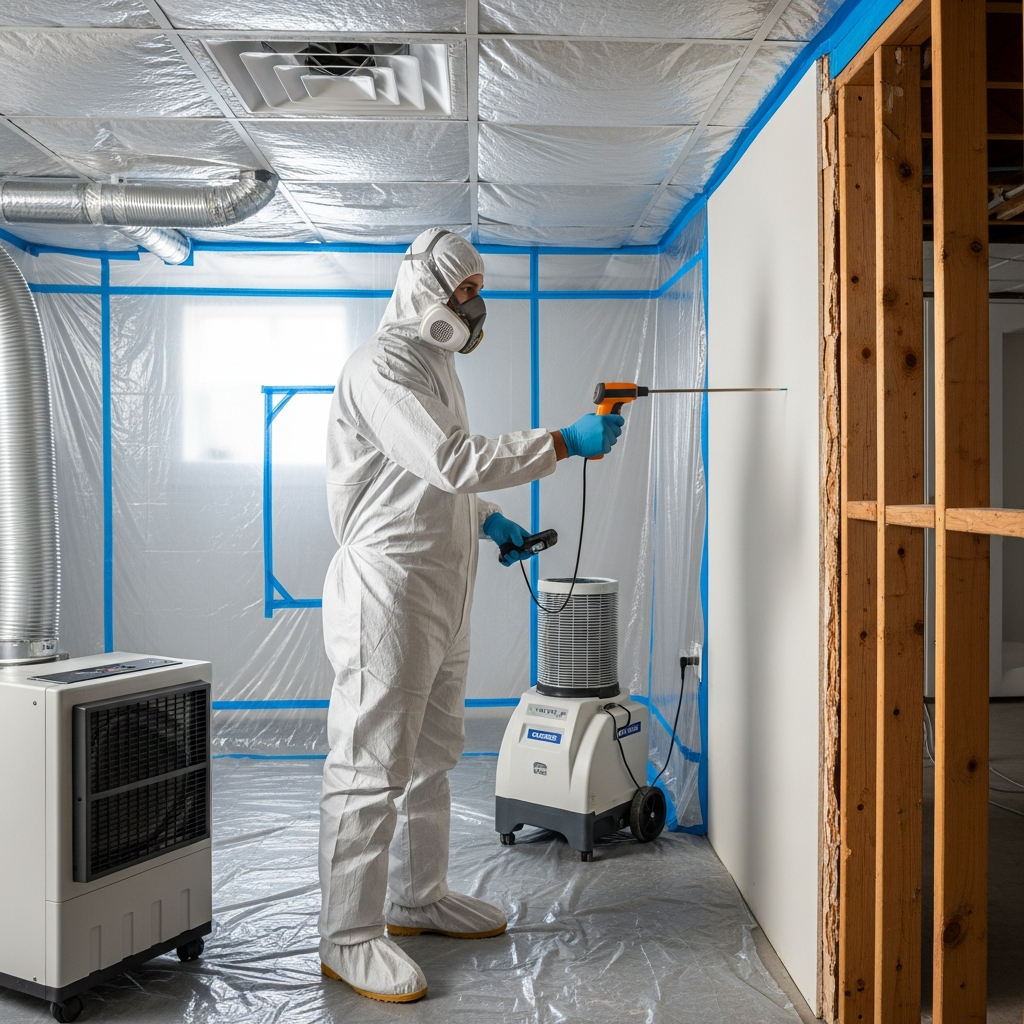
- Containment and Protection: Poly sheeting, zipper doors, and negative pressure isolate the work area. HVAC vents are typically sealed in the affected area.
- Source Control: The moisture source is fixed or controlled. This may involve plumbing repairs, sealing, or ventilation improvements.
- Removal and Cleaning: Irreparably damaged porous materials are carefully removed. Remaining surfaces are HEPA vacuumed and cleaned using appropriate methods.
- Drying and Filtration: Dehumidifiers and air movers reduce moisture, while HEPA scrubbers clean the air.
- Verification: Moisture levels are confirmed dry, and the area is inspected to ensure cleanliness and containment integrity before demobilization.
During the process, the crew should keep you informed of findings and decisions. Mold work is not just about products; it is about disciplined sequencing and control of dust and moisture. In the middle of any project, quality companies will adjust their plan if new damp areas are uncovered, which is common in finished basements and behind bathroom walls.
If you are comparing quotes, look beyond the bottom line and weigh the clarity of the plan. Some teams will also offer guidance on dehumidification capacity for your square footage and share maintenance tips. For added peace of mind during your research phase, bookmark a trusted resource on professional mold removal so you can cross-reference best practices as you evaluate your options.
Local Scenarios and Practical Tips
- Basement Leaks After Storms: Inspect the cove joint where walls meet the slab, and look for efflorescence. Ask your contractor how they will monitor these areas during remediation.
- Attic Condensation: In older Bloomfield capes and colonials, insulation and ventilation imbalances can cause mold on roof sheathing. The company should propose ventilation and air sealing improvements, not just surface cleaning.
- Bathroom Exhaust: Fans should vent outdoors, not into the attic. A good provider will verify proper ducting during the inspection.
- HVAC Considerations: Ask whether the return and supply ducts near the work area will be protected and whether post-project filter changes are recommended.
- Documentation: Keep all moisture and photo records. They can support future warranty claims or real estate disclosures.
Red Flags to Avoid
- Promises to “kill all mold forever” without addressing moisture.
- Refusal to use containment or negative air pressure in larger jobs.
- Vague or one-line estimates that do not specify removal versus cleaning.
- Pressure to sign immediately without inspection results.
- Advice to paint over mold without drying and source correction.
Frequently Asked Questions
How fast should I act after discovering mold? Act within 24 to 48 hours, especially after water events. Quick containment and drying limit spread and damage.
Can I stay in my home during remediation? Often yes, if the company isolates the area and manages airflow correctly. In larger projects, temporary relocation may be more comfortable.
Will insurance cover mold removal? Coverage varies widely and often depends on the cause of the water intrusion. Speak with your insurer and keep detailed documentation of the event and the work performed.
Is testing always required? Not always. Many projects are driven by visible growth and moisture findings. Testing can be helpful in certain cases, such as hidden issues, sensitive occupants, or when documentation is requested.
How do I prevent future mold? Keep indoor humidity between 30 and 50 percent, fix leaks quickly, ventilate bathrooms and kitchens, and maintain gutters and grading to direct water away from your foundation.
Restore a Healthier Home in Bloomfield Today
If you are ready to move forward and want a team that treats your home with care, choose experienced pros who explain every step, protect your family’s living space, and target long-term prevention. For prompt help and proven methods, contact local experts through reputable mold removal resources and take the first step toward a cleaner, safer home.