
Bloomfield, New Jersey homeowners know that moisture can sneak into a house in many ways: a tiny roof flaw, a hairline crack in a foundation wall, or simply the summer humidity the region experiences each year. When moisture lingers, mold follows. This comprehensive guide distills what every homeowner needs to know about recognizing early signs, controlling moisture, removing contamination, and preventing recurrence. If you are just getting started and want an extra measure of assurance, professional mold removal assistance can help you set the right course from day one.
Whether your home is a historic charmer near Bloomfield’s tree-lined streets or a more modern build with a finished basement, the principles are the same: address moisture first, remove what cannot be cleaned, treat and dry what remains, then verify and maintain. By understanding the “why” behind each step, you will make smarter decisions and protect your indoor environment for the long term.
Recognize the Warning Signs
Visual indicators include dark spots on walls or ceilings, fuzzy growth on wood or drywall, and staining around window sills or baseboards. Odor is another telltale sign; a damp, musty smell often points to hidden moisture even before growth is visible. In bathrooms, poor ventilation causes condensation, which leads to peeling paint and mildew on grout. In basements, efflorescence on masonry and warped trim signal persistent moisture.
Pay attention to seasonal patterns. If odors intensify during humid spells or after rainfall, focus your investigation on drainage, foundation sealing, and ventilation. Conversely, if problems occur near kitchens or laundry rooms, scrutinize plumbing and appliance connections.
Source Control: Where to Start
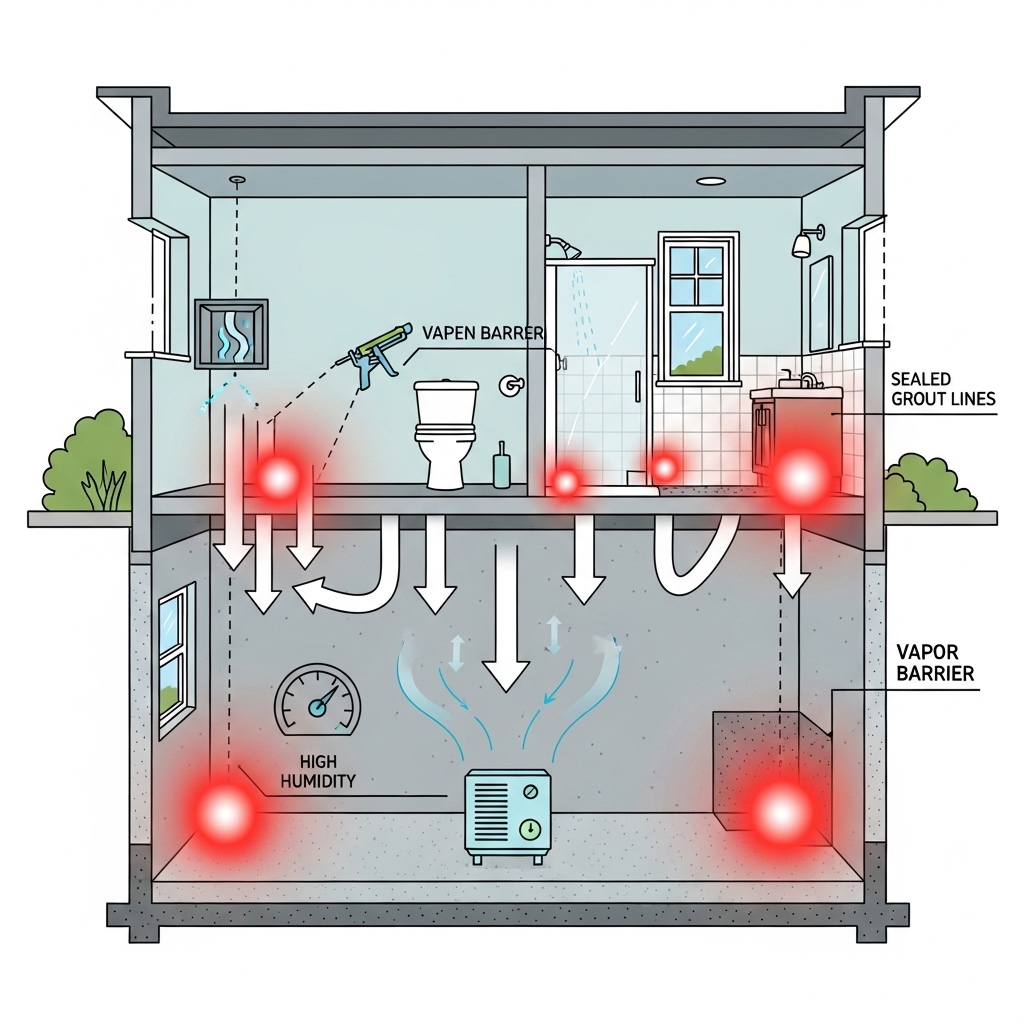
Eliminating moisture is the cornerstone of successful remediation. For roofing and exterior issues, inspect flashing, gutters, and downspouts. Redirect water away from the foundation and repair any gaps where water may enter. For interior sources, check supply lines, traps, and shutoff valves under sinks, as well as seals around tubs and showers. Bathrooms should have properly vented exhaust fans that discharge outdoors. In basements, use a dehumidifier and consider improving wall sealing or drainage if you see persistent dampness.
DIY or Professional Help?
Deciding whether to self-perform depends on the scope of growth, access to tools, and your comfort with containment and safety practices. Small, localized surface contamination on non-porous materials may be manageable for an experienced homeowner. However, if you are dealing with extensive growth, multiple rooms, or suspected issues inside wall cavities and HVAC systems, professional help is worthwhile. Trained technicians can use moisture meters, thermal imaging, negative air containment, and specialized filtration to prevent cross-contamination while addressing the root cause.
Planning the Project
Break the work into clear phases: inspection and documentation, containment and protection, material removal, cleaning and treatment, drying and verification, then rebuild and prevention. Create a staging area for tools and supplies, and plan the flow of materials so that bagged debris exits directly outside without passing through clean living spaces. If family members have sensitivities, schedule work during times they can be away from the immediate area.
Containment and Safety Essentials
Keep the affected zone isolated. Use plastic sheeting if needed to separate the workspace. Close vents within the work area to prevent distribution through ductwork. Maintain airflow that moves out of the work area to the exterior, not into the rest of the home. Wear suitable protection, including gloves, eye protection, and a respirator appropriate for the task. When you finish working, carefully remove protective gear and place it in a designated spot so you do not spread dust and spores to other rooms.
Material Decisions: What to Remove and What to Clean
Porous items such as carpet, pad, and certain ceiling tiles generally need to be removed where they are affected. Heavily impacted drywall is typically cut back to a clean line beyond staining. Keep cuts straight and measured to simplify later repairs. Bag debris promptly and move it out of the home without dragging it through clean spaces.
Hard, non-porous materials like tile, sealed concrete, metal, and some finished woods can often be cleaned thoroughly. Use a methodical approach: vacuum with suitable filtration to capture fine particles, then follow with damp wiping and appropriate cleaners. Work from cleaner to dirtier zones and change cloths frequently to avoid smearing residues.
Drying, Dehumidification, and Humidity Control
Drying is the pivot point of success. After removal and cleaning, deploy dehumidifiers to keep indoor humidity at a consistent target range, then use air movement to help surfaces return to normal. Avoid blasting air directly at moldy materials; that can spread contaminants. Instead, create gentle, directed air paths and monitor progress. Pay special attention to hidden places like the void under a stair landing or the cavity beneath a shower curb, where moisture can linger unseen.
Post-Remediation Verification
When everything appears clean, give the area time to air out. Trust your senses: surfaces should look clean and feel dry, and odors should fade to neutral. If musty smells persist, revisit moisture sources and inspect hidden cavities. For complex projects, consider an independent verification to confirm that conditions are back to normal and that the moisture pathways are truly resolved.
Common Trouble Spots in Bloomfield Homes
- Basement perimeter walls and corners, especially near downspouts or where grading sends water toward the house.
- Bathrooms with insufficient exhaust or long, steamy showers.
- Window sills and frames, especially older units with degraded seals.
- Attic spaces with blocked soffit vents or improperly vented bath fans.
- Laundry rooms with long or crushed dryer ducts and dripping supply lines.
Mid-Project Adjustments
It is common to discover additional issues once you open a wall or pull up flooring. Stay flexible. Expand containment as needed, update your plan, and do not rush drying steps. If you begin to feel overwhelmed, bringing in experienced mold removal support can help you recalibrate the project and close it out successfully.
Long-Term Prevention Strategies
- Ventilation: Use bath and kitchen exhaust fans during and after water-generating activities. Confirm they discharge outdoors.
- Gutters and Drainage: Keep gutters clear and extend downspouts well away from the foundation.
- Basement Care: Run a dehumidifier during humid months and check for condensation on cold surfaces.
- Plumbing Vigilance: Inspect under sinks and behind appliances for slow leaks. Replace brittle supply lines proactively.
- Surface Maintenance: Reseal grout and caulk as needed in bathrooms and kitchens.
- Cleanliness: Reduce dust accumulation to remove a food source for mold. Vacuum and clean regularly.
Frequently Asked Questions
What causes mold to return after cleaning? Recurrence almost always points to lingering moisture or humidity. Without controlling water intrusion or condensation, new growth can appear even on freshly cleaned surfaces.
Should I replace drywall that only looks slightly stained? If the staining indicates moisture intrusion, examine the material closely. If it crumbles, smells musty, or remains damp, replacement is often the better choice. Otherwise, cleaning and drying may suffice when the moisture source is eliminated.
Is it necessary to clean areas that do not look affected? Clean the surrounding area because spores travel. Vacuum and wipe nearby surfaces to capture invisible residue and reduce the chance of spread.
What about the HVAC system? If contamination occurred near returns or vents, consider professional cleaning. Always replace filters after remediation and verify that fans were not spreading particles during the event.
How long does drying take? Timing depends on the extent of wet materials, airflow, and humidity control. Continue dehumidification until surfaces stabilize and odors dissipate.
Take the Next Step with Confidence
You do not need to live with musty odors or worry about the next rainy week. With the right plan, careful execution, and a steady focus on moisture control, you can restore a healthy environment and keep it that way. If you prefer experienced guidance, schedule professional mold removal help to protect your Bloomfield home and enjoy fresh, clean indoor air throughout the year.