
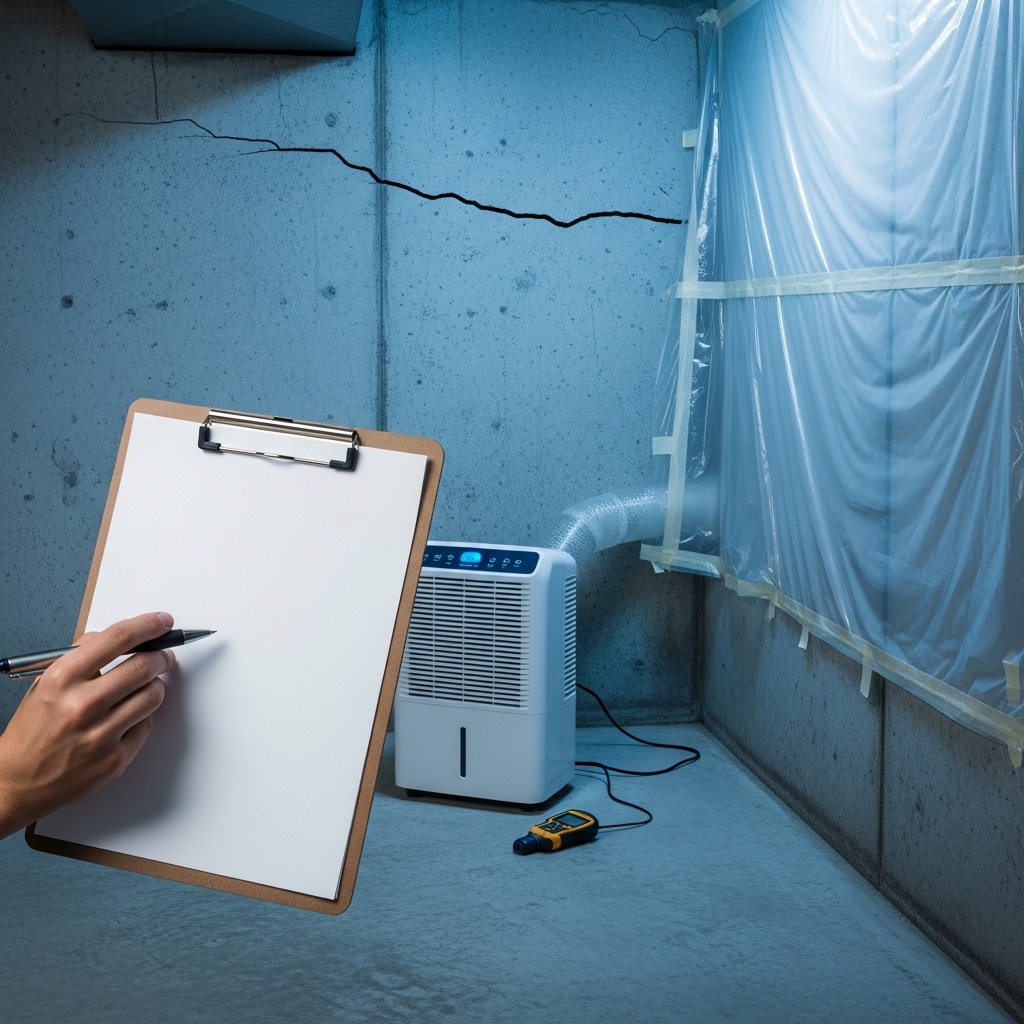
Bloomfield, New Jersey homeowners contend with damp basements, seasonal humidity, and older construction details that can encourage mold if moisture lingers. A clear, safety-first checklist helps you move from uncertainty to action without spreading contamination. Use this comprehensive, step-by-step plan to assess, contain, remove, and prevent mold in a way that protects your health and your home’s value. If at any point the scope feels too large or complex, bring in a local professional for reliable mold removal and verification, and return to this checklist for ongoing prevention.
Step 1: Confirm the Moisture Source
Mold is a symptom of moisture. Start by examining exterior drainage—clear gutters, extend downspouts, and ensure soil slopes away from the foundation. Inside, look under sinks, around toilets, and behind appliances for slow leaks. In basements, check for hairline wall cracks, damp corners near window wells, and condensation on cold pipes or ductwork. If the moisture cause is not fixed, cleaning will not last. Keep notes on where and when dampness appears, especially after storms or laundry days, because timing often reveals the source.
Step 2: Protect People and Pets
Plan the work when occupants can avoid the area. Identify household members with asthma, allergies, or immune sensitivities. Set up a temporary pet area away from the workspace. Communicate your plan so everyone understands which rooms are off-limits and how long the project will take. This preparation reduces stress and helps you keep the workspace controlled and calm.
Step 3: Gather PPE and Supplies
Before you disturb any surface, assemble safety gear and materials. Prepare a respirator, protective eyewear, gloves, clothing that can be washed immediately, heavy-duty bags, rags or wipes, and cleaning supplies. Stage tools inside the workspace to limit trips through living areas. Keep a separate bin for clean items and one for debris so you do not cross-contaminate. This organization saves time and improves outcomes.
Step 4: Create Containment
Containment keeps clean rooms clean. Close doors, seal openings, and cover supply and return vents in the workspace. Establish a single entry point and protect the access path with drop cloths or plastic. Avoid fans that blow directly on mold. If you use a portable air cleaner, run it inside the containment so it captures particles without pushing air into adjacent rooms. A calm, controlled environment is the foundation of safe work.
Step 5: Decide What to Remove vs. Clean
Different materials warrant different strategies. On non-porous surfaces—tile, metal, and glass—thorough wiping and follow-up cleaning are often effective. Semi-porous materials such as sealed wood and concrete may be cleaned with more effort and careful drying. Porous items like unsealed drywall, carpet, padding, insulation, and acoustic tiles are typically not salvageable once contaminated and should be carefully removed and disposed of. Cut slightly beyond visibly affected edges and place debris directly into sealed bags to minimize dust.
Step 6: Use Low-Dust Work Practices
Think slow and steady. Lightly mist surfaces if appropriate to reduce dust while avoiding over-wetting. Score drywall and cut small sections rather than tearing. Keep tools close to the surface to prevent flicking particles into the air. Bag debris as you go and wipe tools periodically so they do not become a spread source. These habits maintain air quality and keep the project manageable.
Step 7: Clean Methodically
After removal of contaminated materials, focus on detail cleaning. Vacuum with appropriate filtration to capture residual dust, then wipe surrounding surfaces. Work from higher to lower and from cleaner zones toward the most affected area to prevent re-soiling. Change wipes frequently and continue passes until surfaces show minimal residue. Keep controlled ventilation running as you dry the space fully before reinstalling finishes.
Step 8: Verify Dryness and Odors
Confirm that materials are dry and that musty odors are gone. Use a moisture meter if available to compare affected areas to known dry surfaces. If smells persist or readings remain elevated, reevaluate the moisture source. Waiting to close walls or reinstall flooring until the area is truly dry is essential to long-term success.
Step 9: Restore and Prevent
Once the area is clean and dry, you can restore finishes and implement prevention measures. Add or upgrade exhaust fans in bathrooms, vent kitchen hoods to the exterior, and consider a dehumidifier for damp basements during humid months. Insulate cold water pipes to reduce condensation, and seal foundation cracks to stop seepage. Extend downspouts so runoff flows well away from the foundation and maintain window and door caulking to minimize drafts and temperature swings that cause condensation.
Step 10: Keep Records
Documentation provides clarity. Photograph before and after conditions, log moisture readings, and note materials removed and replaced. Keep receipts for materials used and a summary of the steps taken to prevent recurrence. Organized records help during a future sale, renovation, or insurance discussion and make it easier to evaluate what worked if a problem returns.
When to Call a Professional
Some conditions require expert support. If growth spans multiple rooms, if you detect mold in ductwork, if water intrusion involves contaminated sources, or if vulnerable occupants live in the home, seek help. Specialists can manage complex containment, trace hidden moisture paths, and verify results. Partnering with a professional for mold removal is especially wise when repeated attempts have failed or when structural repairs are needed to correct the underlying cause.
Bloomfield-Specific Tips
Local climate and construction features inform prevention. In Bloomfield, storm-driven rain and freeze-thaw cycles can stress flashing and exterior sealants—inspect these seasonally. Older homes often have unfinished basement walls that wick moisture; sealing and improving drainage can be transformative. During summer, monitor indoor humidity and ventilate bathrooms and kitchens consistently. After snowmelt or heavy thunderstorms, walk your property to make sure water flows away from the foundation and that window wells remain clear.
Frequently Asked Questions
Q: Can I tackle small bathroom spots myself? A: Many small, localized patches on tile or other non-porous surfaces are manageable with basic PPE and methodical cleaning. If the spots return quickly or spread, reassess ventilation and moisture control and consider getting a professional evaluation.
Q: Is it safe to run my HVAC during cleanup? A: Generally no. Running central systems can distribute spores. Cover vents in the workspace, keep the system off until cleanup is complete, then remove coverings and clean registers before restarting.
Q: Why do my basement corners smell musty after storms? A: That odor often points to foundation seepage or elevated humidity. Improve exterior drainage, seal cracks, and use dehumidification during damp periods to dry the space quickly.
Q: What cleaning mistakes should I avoid? A: Avoid dry brushing and aggressive sanding that create dust clouds, do not mix incompatible cleaners, and do not paint over mold. Always fix the moisture source before restoring finishes.
Q: How do I know it worked? A: Success includes clean surfaces, neutral odors, normal moisture readings, and no new spots over time. Continued dryness and ventilation are your best indicators that the problem was solved at the source.
Ready to Take Action in Bloomfield
With a clear checklist, you can approach remediation confidently and safely. Focus on moisture control, containment, careful removal, and detailed cleaning, then lock in prevention with ventilation, drainage, and regular maintenance. If the scope grows or if you prefer professional verification, schedule trusted mold removal to protect your health, preserve your investment, and keep your Bloomfield home comfortable year-round.