
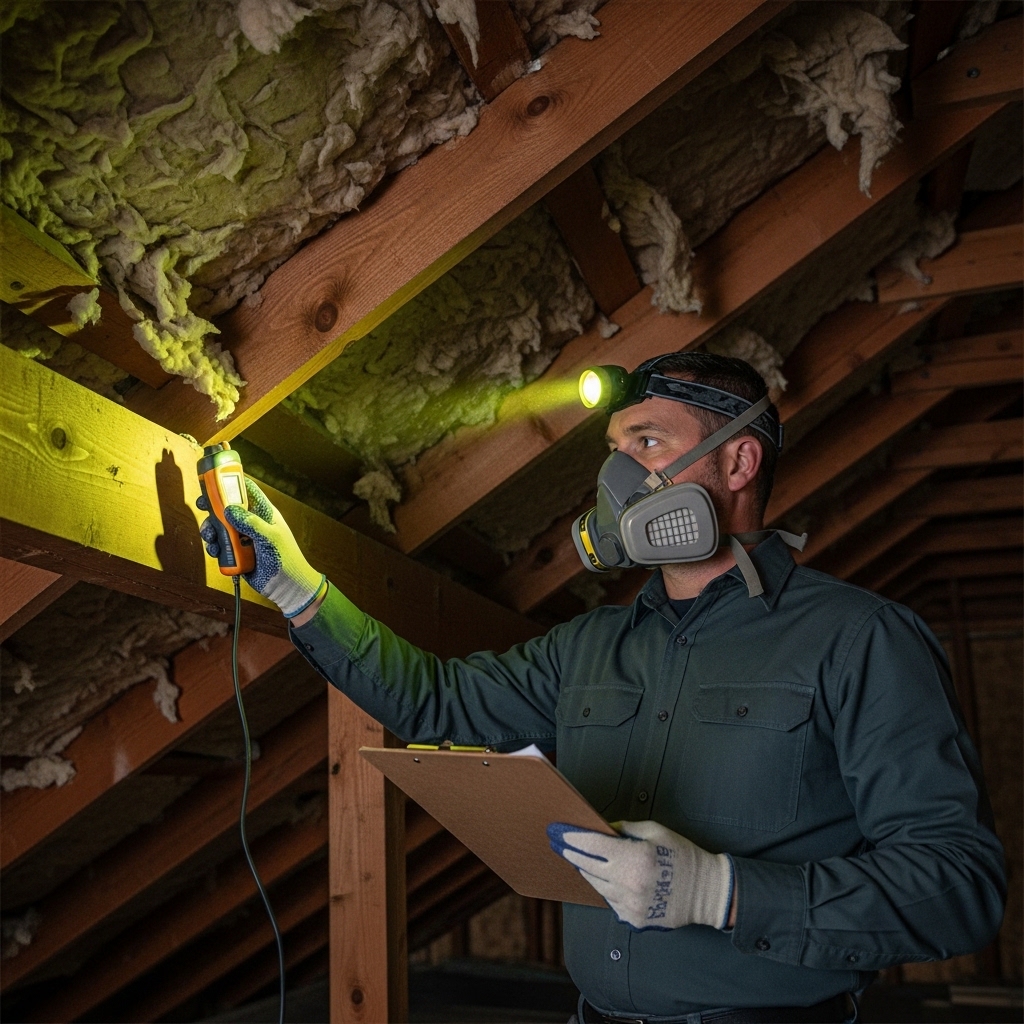
Planning a mold removal inspection in Bloomfield, New Jersey requires understanding timing, scope, and expectations. Whether you are responding to a basement odor after a storm or preparing for a renovation, a structured inspection helps you see the whole picture—what caused the moisture, where contamination spread, and what steps are needed to restore healthy indoor air. This guide explains how inspections unfold, what influences scheduling, how to coordinate follow-up work, and how to set priorities that protect your family and home. If the findings point to extensive remediation, engaging a qualified team for thorough mold removal can streamline the path to resolution and reduce delays.
What a Mold Removal Inspection Covers
An inspection is more than a quick glance at visible spots. It combines conversation with the homeowner, building history, moisture mapping, and targeted exploration of suspect areas. Inspectors assess likely moisture sources such as roof leaks, foundation seepage, plumbing failures, and condensation on cold surfaces. They examine bathrooms, kitchens, laundry rooms, mechanical spaces, basements, crawlspaces, and attics. The goal is to create a clear scope of work that prioritizes health and safety while preventing recurrence. A good inspection translates observations into actionable steps you can schedule and verify.
Preparation Before the Inspection
Clear access paths to the affected areas, gather any prior reports or photos, and note when odors or spots appear—after rain, during humid weather, or after laundry days. If you have a dehumidifier or air purifier running, leave it in place but be prepared to discuss how the home feels with and without it. Make a list of rooms where you suspect hidden issues, such as behind paneling or in closets adjacent to bathrooms. This preparation helps the inspector spend more time diagnosing and less time searching, which can shorten the overall process.
Typical Timeline for an Initial Visit
The initial inspection often begins with a brief interview, followed by a walk-through focused on moisture-prone spaces. In many homes, inspectors can complete the on-site assessment the same day, with a written summary or scope delivered shortly thereafter. The pace depends on the size of the property, how many rooms are affected, and the complexity of the moisture source. If destructive testing is needed—such as opening a small section of wall to look behind finishes—your inspector may plan a second visit to coordinate safe containment and cleanup.
Seasonal Factors That Affect Scheduling
Bloomfield’s seasons influence inspection timing. After heavy thunderstorms in spring and summer, inspection calendars tend to fill quickly. Winter thaws and freeze-thaw cycles can reveal roof or flashing leaks that were not apparent in dry weather. If you suspect a problem, schedule promptly rather than waiting for busy periods. Quick action prevents ongoing moisture from expanding the affected area and reduces the likelihood of multiple follow-up visits.
Scope Creep: Why Early Clarity Matters
Defining scope at the outset prevents surprises. The inspection should distinguish between limited surface growth on non-porous materials and deeper contamination in porous materials or cavities. Clear scope enables you to plan containment, removal, and follow-up cleaning efficiently and safely. Ambiguity leads to half-measures, rework, and schedule slips. Make sure the report clarifies the moisture source, the areas impacted, and the recommended sequence of steps to resolve the issue.
Communication with Your Inspector
Transparent communication produces better outcomes. Share any home improvements, leaks, or water events from the past few years. If household members experience symptoms in certain rooms, note the timing and circumstances. If you can provide humidity logs from a dehumidifier or thermostat, bring them. The more context your inspector has, the more precisely they can tailor the remediation plan and estimate timelines for each stage.
From Inspection to Action: Scheduling Remediation
Once the inspection identifies moisture sources and contamination, the next step is remediation. Coordinating calendars is easier when the scope is definitive. Minor projects may follow quickly, while larger projects benefit from staged scheduling—first to stop moisture, then to remove and clean, and finally to restore finishes. If additional specialists are required, such as roofing or plumbing contractors, your inspector may recommend the order of operations to minimize downtime and avoid redundant work.
Timeframes for Common Conditions
Timeline varies with size, complexity, and access. Small, localized issues on non-porous surfaces are often addressed promptly once the moisture source is corrected. More complex scenarios—hidden reservoirs, multiple rooms, or moisture within insulation—require longer to contain, remove, and dry. Patience is often rewarded; rushing risks cross-contamination and incomplete drying, which can trigger recurrence and additional disruption later.
Documentation and Verification
Thorough records make projects smoother. The inspection report should describe observed conditions, suspected causes, and recommended steps, including safety measures like personal protective equipment and containment. After remediation, verification may include visual checks, odor assessment, and moisture comparisons to known dry areas. Documentation helps ensure that future work—such as finishing a basement or renovating a bathroom—builds on dry, clean conditions rather than trapping moisture behind new materials.
How Inspection Affects Budget Planning
While specific numbers are not discussed here, inspections help you plan. A clear scope allows you to prioritize tasks, schedule work in phases if needed, and coordinate with other contractors efficiently. Addressing the moisture source early usually prevents additional disruption later, and well-organized projects reduce the chance of rework. The inspection’s greatest value is clarity—it shows you where to focus so your resources produce lasting results.
Bloomfield Considerations: Basements, Attics, and Storm Patterns
Local conditions matter. Basements in Bloomfield often experience humidity spikes in late spring and summer, while attics may be vulnerable to ice-dam-related leaks in winter. Storm-driven rain can exploit weaknesses around window wells, flashing, and penetrations through siding or roofing. Your inspection should evaluate these areas carefully and might recommend seasonal maintenance such as clearing gutters, extending downspouts, sealing penetrations, and adjusting ventilation to maintain a drier indoor environment.
When to Involve Professionals Immediately
Some findings call for immediate expert involvement. If the inspection reveals widespread growth across rooms, contamination in HVAC components, or moisture from unsanitary sources, professional remediation is prudent. Vulnerable household members, such as infants or people with respiratory conditions, also raise the urgency. Expert teams bring containment, filtration, and disciplined work sequencing that protect air quality while moving efficiently from problem to solution. In those instances, transitioning directly from inspection to coordinated mold removal can save time and reduce disruption.
Frequently Asked Questions
Q: How long does an inspection usually take? A: Many homes can be assessed in a single visit, with follow-up documentation soon after. Larger or more complex properties may require additional time, especially if limited destructive testing is needed to view concealed spaces safely.
Q: Do I need to prepare the house beforehand? A: Clear access to affected rooms and mechanical areas, note odor patterns, and collect any prior reports or photos. This preparation shortens the visit and helps the inspector focus on diagnostics.
Q: Will I have to leave the house? A: Most inspections occur while you are home, though you may be asked to stay out of certain rooms during specific checks. If containment or opening finishes is required, more detailed coordination may be needed.
Q: How soon can remediation begin? A: With a clear, agreed scope, minor projects can start promptly. Larger projects may be scheduled in stages, beginning with source correction and followed by removal, cleaning, and restoration.
Q: What if the issue seems to return seasonally? A: Recurring problems often tie back to drainage, ventilation, or condensation. Your inspector should propose targeted prevention measures—such as dehumidification, exterior water management, and air sealing—to break the seasonal cycle.
Plan Your Next Steps
A thoughtful inspection is the foundation of a successful remediation. It clarifies causes, defines scope, and sets a realistic schedule, allowing you to coordinate work efficiently and avoid unnecessary disruption. If your Bloomfield home needs a complete solution from assessment through follow-up, schedule comprehensive mold removal with a trusted local team that prioritizes safety, documentation, and timely communication.